Kunshan Tunnel
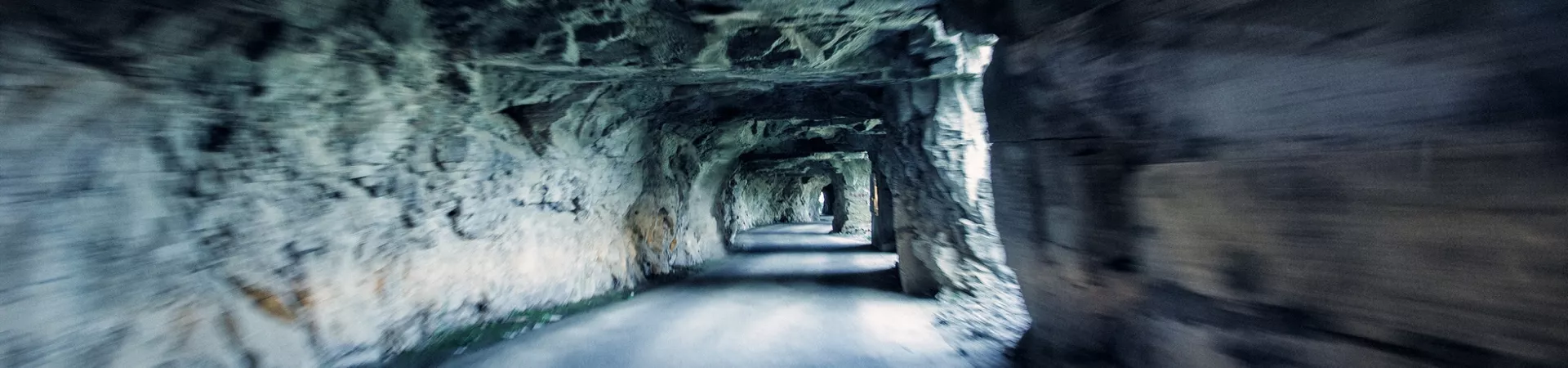
Subtitle: A Journey Through the Cliff: Unveiling the Kunshan Tunnel Hanging Road
Introduction: Where Shanxi Meets Henan on a Precipice
Nestled against the southeastern foothills of the mighty Taihang Mountains, the Kunshan area marks a dramatic natural frontier where the provinces of Shanxi and Henan meet in a vertical, awe-inspiring divide. This is a landscape sculpted by immense geological forces, characterized by sheer cliffs that rise like colossal walls, jagged peaks piercing the sky, and formidable boulders strewn across the terrain. It is no wonder this region has earned the title of a "paragon of precipitous cliffs." Carved directly into the heart of this formidable rock face is one of the area's most legendary feats of engineering and a primary reason for its fame: the Kunshan Tunnel Hanging Road.
The Kunshan Tunnel: An Engineering Marvel in the Vertical Realm
The Kunshan Tunnel is not merely a passageway; it is an experience that defies conventional perception of road travel. As one of the celebrated "Three Unique Wonders" of this region, the tunnel is a hanging road etched into the midsection of an absolute cliff approximately 500 meters high. The construction, a testament to human perseverance, involved blasting and chiseling a path directly from the vertical rock. What makes the journey through this tunnel exceptionally breathtaking are its strategically placed "skylights." Roughly every 10 meters along the tunnel's length, an opening is cut through the rock wall to the outside world.
These windows serve a dual purpose: they provide crucial ventilation and natural light, but more profoundly, they frame ever-changing, living portraits of the majestic landscape outside. As you drive or walk through, glimpses of swirling mist, radiant clouds bathed in sunlight, and the vast, deep valley below are revealed through these apertures. The true, heart-stopping spectacle unfolds at a bend in the tunnel. Looking back, the skylights align in a near-perfect, sequential row, creating a stunning visual corridor. This perspective starkly juxtaposes the solid, overhanging roof of perilous rock above against the dizzying, open void of the abyss below. The sensation is simultaneously thrilling and humbling, leaving visitors in a state of captivated awe at the audacity of its creation and the raw beauty it unveils.
The "Three Unique Wonders" of the Kunshan Area
While the tunnel is a star attraction, it forms part of a compelling trilogy of natural and man-made spectacles known as the "Three Unique Wonders."
- The Kunshan Tunnel Hanging Road: As detailed above, this is the premier feat of engineering.
- The Majestic Mountain and Water Scenery: The area surrounding the tunnel is a masterpiece of natural beauty. The Taihang Mountains offer dramatic vistas of layered ridges, peculiar rock formations, and deep gorges. Seasonal changes paint the slopes in varying hues, while streams and waterfalls add a dynamic, soothing element to the rugged scenery.
- The Karst Cave Spectacles: Beneath the imposing cliffs lies another world. The region features fascinating karst caves, formed over millennia by the dissolution of limestone. These subterranean labyrinths are adorned with stunning stalactites, stalagmites, stone curtains, and other speleothems in bizarre and beautiful shapes, illuminated in ethereal colors, presenting a stark contrast to the sun-drenched cliffs above.
A Practical Transit Route and Visitor Experience
Beyond its standalone wonder, the Kunshan Tunnel serves a vital practical function for travelers exploring the broader Taihang Mountain region. It is the essential connecting route for those traveling from the famous Wangmang Ridge scenic area to the equally renowned Guoliang Village scenic area. The tunnel itself is not particularly long and is relatively straightforward to traverse, often drawing comparisons to the similarly famous Guoliang Tunnel (Guoliang Cave) for its dramatic cliffside construction. The journey through it, however brief, is an unforgettable highlight of the transit between these two major attractions.
Practical Information for Visitors
Transportation Guide: The primary gateway for visiting the Kunshan Tunnel and the surrounding Wanxianshan (Ten Thousand Immortals Mountain) scenic area is Xinxiang City. * From Xinxiang to Hui County: Depart from the Xinxiang Central Bus Station (adjacent to the south of the railway station). Buses run from approximately 6:30 AM to 7:30 PM at intervals of about 5 minutes. The journey to Hui County's East Bus Station takes around 50 minutes. * From Hui County to Wanxianshan Scenic Area: At Hui County, transfer at the Baiquan Bus Station. Direct buses to the Wanxianshan scenic area (which encompasses the tunnel area) depart at: * Morning: 8:00, 10:00 * Afternoon: 13:00, 15:30 * Return Journey from Wanxianshan to Xinxiang: * Wanxianshan to Hui County: Buses depart at: * Morning: 6:00, 9:30 * Afternoon: 12:00, 14:30 * Hui County to Xinxiang: From either Baiquan Station or Hui County Main Bus Station, buses back to Xinxiang depart very frequently, approximately every 6 minutes.
Admission Fees: Access to the Wanxianshan scenic area, which includes the Kunshan Tunnel, requires an entrance ticket. The standard fee is approximately 80 RMB per person. It is advisable to verify current pricing and any potential separate fees for specific sites or shuttle services within the area at the time of your visit.
Operating Hours: The Kunshan Tunnel and the broader Wanxianshan scenic area are generally accessible 24 hours a day, every day of the year. However, travel through the tunnel itself may be subject to weather conditions, and lighting inside the tunnel at night may be limited. The most reliable and scenic visits are during daylight hours. Always check for any local advisories or restrictions before planning a late-evening or overnight visit.