Huilong Tianjie Mountain Ecological Tourism Scenic Area
Subtitle: A Journey Through Nature, Culture, and History in the Taihang Mountains
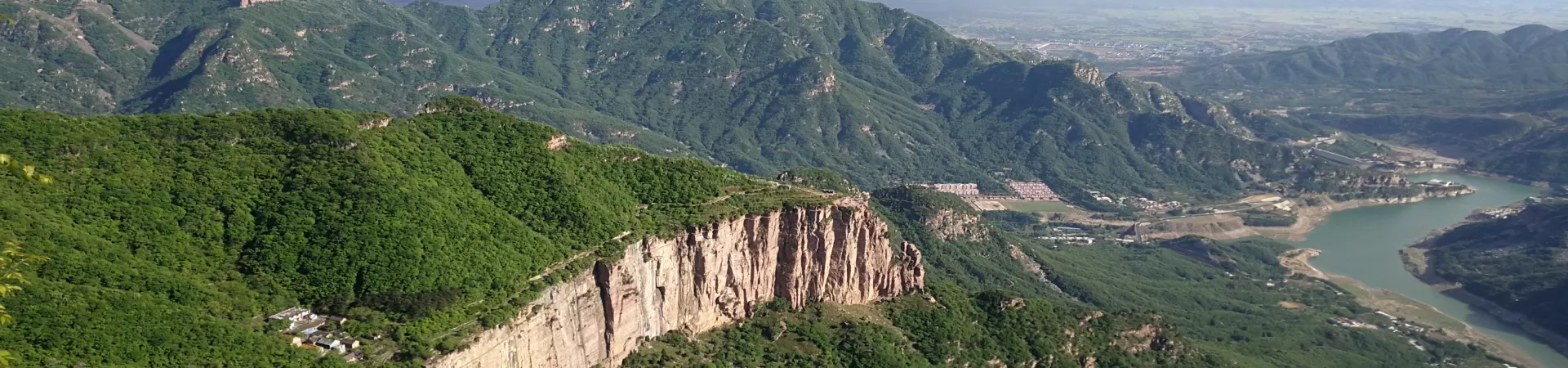
1. Introduction to Huilong Tianjie Mountain Nestled deep within the majestic Taihang Mountain range, approximately 25 kilometers northwest of Shangbali in Huixian City, lies the Huilong Tianjie Mountain Ecological Tourism Scenic Area. This remarkable destination, with elevations ranging from 800 meters to an impressive 1,725 meters above sea level, spans a vast and immersive游览 area of over 26 square kilometers. It stands as a comprehensive sanctuary where the raw beauty of nature, profound layers of human history, and inspiring modern legacy converge. The scenic area is masterfully organized into five distinct zones, collectively presenting visitors with hundreds of captivating sites encompassing natural wonders, cultural heritage, and poignant红色 historical narratives.
2. Exploring the Five Core Scenic Zones The genius of Huilong Tianjie Mountain lies in its thoughtful division into five thematic areas, each offering a unique facet of the region's character and ensuring a diverse and enriching experience for every visitor.
2.1. The Red Cultural Heritage Zone This zone forms the spiritual and historical heart of the scenic area. It is dedicated to commemorating the extraordinary perseverance and revolutionary spirit of the local Huilong community. The most iconic feat celebrated here is the construction of the "Huilong Sky Road" – a breathtaking cliffside highway carved into the face of the mountain. This engineering marvel, built with sheer determination by the villagers to connect their isolated homeland to the outside world, symbolizes the triumph of human will over geographical adversity. The zone includes memorial halls, historical exhibits, and viewing points along the sky road itself, offering powerful insights into this chapter of local history and the values of hard work and unity.
2.2. The Peak Forest Landscape Zone Here, visitors encounter the quintessential grandeur of the Taihang Mountains. This zone is characterized by its awe-inspiring granite peak forest地貌, where towering, majestic cliffs and bizarrely shaped rock formations dominate the horizon. Walking along carefully planned trails and viewing platforms, one can witness spectacular natural sculptures, deep, serene valleys, and vast, panoramic vistas. The play of light and shadow across these ancient stone faces at different times of the day creates a constantly changing and profoundly beautiful scene, making it a paradise for photographers and nature enthusiasts.
2.3. The High-Mountain Canyon Zone Offering a different perspective, this zone allows exploration of the sculpted depths of the mountain range. It features deep gorges, clear mountain streams, and secluded pools. The trails here often lead through cooler, shaded environments, past cascading waterfalls and lush vegetation clinging to the canyon walls. The sound of running water and the fresh, humid air provide a refreshing contrast to the open peaks, showcasing the hydrological and erosional forces that have shaped this landscape over millennia.
2.4. The Religious and Cultural Sanctuary Adding a layer of tranquility and ancient cultural depth, this zone is centered around historical Taoist and Buddhist sites. The most prominent among them is the Qingfeng Temple, an ancient complex that seems to grow organically from the cliffside. Visiting these temples offers a moment of peace and reflection amidst the grandeur. The architecture, often built in perfect harmony with the challenging terrain, the faint scent of incense, and the timeless atmosphere provide a direct connection to the spiritual practices and philosophical traditions that have sought solace in these mountains for centuries.
2.5. The Alpine Leisure and Ecology Zone Focused on the higher elevation ecosystems, this zone highlights the area's biodiversity and offers recreational spaces. It may include areas of alpine meadows, unique high-altitude flora, and forests. It is designed for leisurely walks, ecological education, and simply enjoying the crisp, clean air and the expansive views from the mountain tops. This zone emphasizes the ecological value of the area, promoting an appreciation for the delicate balance of its natural environment.
3. Practical Information for Visitors To ensure a smooth and enjoyable visit to Huilong Tianjie Mountain, here are some essential practical details.
3.1. Admission and Fees The entrance fee to the Huilong Tianjie Mountain Ecological Tourism Scenic Area is set at 48 RMB per person. This ticket typically provides access to the core scenic areas and the basic trail network. Please note that there might be separate fees for optional services such as cable car rides, shuttle buses within the park, or specific experiential activities. It is always advisable to check for the latest official pricing and any available discounts (for students, seniors, etc.) before your visit.
3.2. Best Time to Visit The scenic area presents distinct charms throughout the year. Spring (April-May) brings blooming wildflowers and vibrant greenery. Summer (June-August) offers a cool escape from the lowland heat, though it can be rainy. Autumn (September-October) is widely considered the optimal season, with clear skies, comfortable temperatures, and the stunning transformation of foliage into hues of red, gold, and orange. Winter (November-March) covers the peaks in snow, creating a stark, silent, and spectacularly beautiful landscape, but access to some trails may be restricted due to weather conditions.
3.3. Transportation and Access The primary gateway is Huixian City. From there, visitors can hire a taxi or take a local bus to Shangbali town, followed by a transfer to the scenic area entrance. Self-driving is a popular option; the journey involves navigating mountain roads, with the final approach including the famous Huilong Sky Road itself, which is an integral part of the experience. The scenic area operates internal shuttle buses to transport visitors between major zones and trailheads.
4. Tips for an Enhanced Experience * Footwear and Clothing: Sturdy, comfortable hiking shoes with good grip are essential due to the mountainous terrain. Dress in layers, as temperatures can vary significantly with altitude and time of day. * Pacing and Hydration: The high elevation and extensive area require good physical preparedness. Pace yourself, take breaks, and carry sufficient water and snacks, as facilities might be spaced out. * Weather Preparedness: Mountain weather is notoriously changeable. Carry rain gear, sun protection (hat, sunscreen), and a warm layer even on seemingly clear days. * Cultural Respect: When visiting the religious sites, maintain a quiet and respectful demeanor. Observe any posted guidelines regarding photography and behavior within temple grounds. * Safety First: Always stay on marked trails and viewing platforms. Heed all safety warnings and signage, especially near cliff edges. Avoid risky behavior for photographs.