Guoliang Tunnel
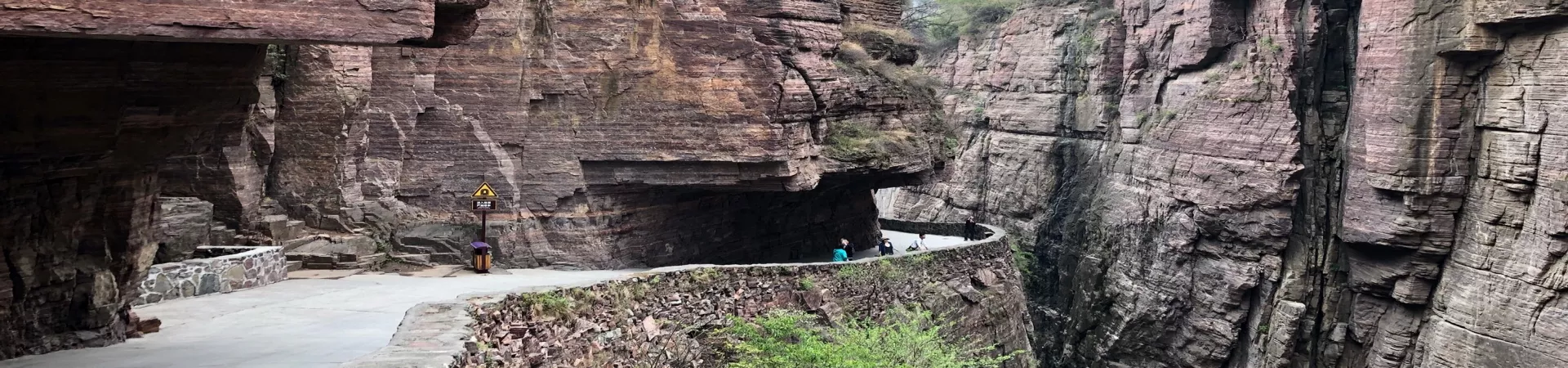
Subtitle: A Journey Through the Cliffside Marvel: The Guoliang Tunnel in Xinxiang, China
Introduction: The Road Carved from Stone
Nestled deep within the Taihang Mountains of Xinxiang City, Henan Province, lies not just a feat of engineering, but a monument to human determination and a gateway to breathtaking natural beauty. The Guoliang Tunnel, often poetically called "the road that does not tolerate mistakes," is far more than a mere passage through rock. It is a destination in itself, representing an incredible story of a remote village's struggle for connection and survival. This serpentine corridor, hand-chiseled into the face of a sheer cliff, offers visitors an unparalleled experience that blends awe-inspiring vistas, historical perseverance, and raw adventure. For travelers seeking paths less taken and stories written in stone, Guoliang presents an unforgettable chapter in China's vast and varied landscape.
1. The Epic Saga: History and Construction
1.1. The Village in Isolation To understand the tunnel's significance, one must first imagine the life of old Guoliang village. Perched high on a plateau amidst the majestic Taihang Mountains, the village was virtually isolated from the outside world for centuries. Its only link was a treacherous, narrow path known as the "Sky Ladder," carved precariously into the mountainside. This path was a daily hazard for villagers, making the transport of goods nearly impossible and cutting them off from essential services, economic opportunity, and modern development. The village's isolation was both a curse and, in a way, a preservation of a simple, ancient way of life.
1.2. The Decision to Change Destiny In 1972, driven by desperation and a collective will to forge a future, the villagers of Guoliang made a monumental decision. With no government funding or advanced machinery, they resolved to carve a road through the solid rock of the cliff with their own hands. Led by village chief Shen Mingxin, a team of thirteen strongest men embarked on what many thought was an impossible dream.
1.3. The Five-Year Ordeal The construction that followed was a testament to superhuman endurance. Using simple tools like hammers, chisels, and dynamite, these villagers dangled from ropes over a 100-meter precipice, painstakingly boring into the mountain. The work was perilous; accidents were frequent, and the progress was measured in centimeters per day. Over five grueling years (1972-1977), they persevered, fueled by the hope of connection. Their herculean effort resulted in a 1,250-meter-long, 5-meter-high, and 4-meter-wide tunnel snaking along the cliff face, complete with occasional "windows" opened to the void, which now frame some of the most spectacular views in the region.
2. The Visitor Experience: Navigating the Marvel
2.1. The Drive of a Lifetime For modern visitors, the journey through the Guoliang Tunnel is the primary attraction. Driving or walking through this man-made canyon is an intense sensory experience. The rough-hewn rock walls, still bearing the marks of countless hammer strikes, tell a silent, powerful story. The tunnel is narrow, with room for only one vehicle at a time in many sections, requiring communication and patience between drivers. The occasional openings in the rock serve as viewing platforms, offering dizzying, heart-stopping panoramas of the deep valleys and jagged peaks of the Taihang Mountains. It is a drive that demands attention and rewards with unparalleled views.
2.2. Key Features and Viewpoints * The Tunnel Windows: These irregular openings are strategic masterstrokes, providing light, ventilation, and, most importantly, those iconic photo opportunities. Peering out from these windows, one feels suspended between solid rock and open sky. * The Entrance and Exit: Both ends of the tunnel are dramatic. The entrance appears as a mysterious hole in a vast cliff wall, while exiting reveals the charming, rustic Guoliang village, seemingly hidden in a mountain haven. * Village Exploration: Beyond the tunnel, the stone-built Guoliang village offers a glimpse into the resilient community that made this all possible. Traditional houses, local hospitality, and simple mountain life provide a cultural counterpoint to the engineering wonder.
3. Practical Information for Travelers
3.1. Location and Access The Guoliang Tunnel is located in Huixian City, under the administration of Xinxiang, in northern Henan Province. It is approximately a 4-5 hour drive from Zhengzhou, the provincial capital. The most common route involves driving to the scenic area, purchasing an entrance ticket for the Taihang Mountain region (which includes access to the tunnel area), and then proceeding along the mountain roads leading to the tunnel itself.
3.2. Admission and Hours * Admission: It is important to note that while access to the Guoliang Tunnel itself requires no separate ticket, it is situated within the broader Wanxian Mountain (Taihang) Scenic Area. Visitors must purchase a general entrance ticket for this scenic area. The tunnel is a key feature within the park. * Opening Hours: The tunnel is accessible 24 hours a day, every day of the year. However, it is strongly advised to traverse it during daylight hours for safety and to fully appreciate the views. Night driving is highly discouraged due to the lack of lighting and increased danger.
3.3. Safety and Travel Tips * Driving Caution: This is not a route for inexperienced drivers. The road is narrow, winding, and has steep drops. Drive slowly, use your horn before blind corners, and yield to oncoming traffic at wider spots. * Alternative Options: Many visitors choose to park before the tunnel entrance and walk through it. This allows for a more immersive, slower-paced experience to photograph and admire the construction and vistas without the stress of driving. * Best Time to Visit: Spring (April-May) and Autumn (September-October) offer the most pleasant weather and clear skies. Summers can be crowded, while winters may see ice on the roads, making travel hazardous. * Preparation: Wear comfortable shoes with good grip if walking. Bring water, snacks, and a camera. Cell phone service can be unreliable in the mountains.
4. Legacy and Cultural Impact
The Guoliang Tunnel transcends its function as a road. It has become a powerful symbol of the indomitable human spirit, the "Foolish Old Man" legend made real. It inspired similar projects in other remote Chinese villages and has captured the imagination of filmmakers, photographers, and travelers worldwide. Featured in numerous documentaries and travelogues, it stands as a proud, rugged counter-narrative to China's modern high-speed rail and highway networks—a reminder of what grassroots determination can achieve. For the visitor, it is not merely a scenic spot but a pilgrimage to a place where landscape and human will are forever intertwined, creating a masterpiece of perseverance that continues to awe and inspire all who pass through its stony embrace.