Xingtai Neiqiu County Bianque Temple Scenic Area
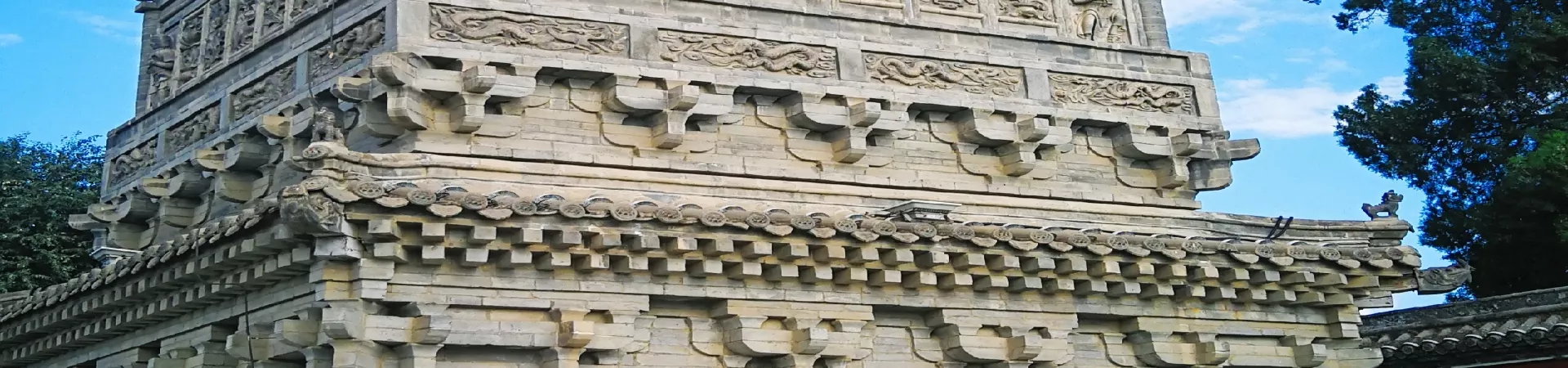
Exploring the Rich History of Bian Que Temple in Xingtai, Hebei
Introduction:
Situated 22 kilometers northwest of Xingtai City in Hebei Province, Bian Que Temple spans an impressive 3,700 square meters, making it a historically significant and grand ancient architectural complex. Designated as a key cultural heritage site in Hebei Province, the temple's origins trace back to the Han and Tang dynasties, with its initial construction date remaining elusive. While numerous renovations occurred from the Han Dynasty onward, the existing structures primarily belong to the Yuan Dynasty.
Bian Que: A Legendary Healer:
Bian Que, a renowned physician during China's Warring States period, left an indelible mark on the country's medical history. Chronicled in Sima Qian's "Records of the Grand Historian," Bian Que's exceptional medical skills and contributions to traditional Chinese medicine are celebrated. Originally named Qin Yue, he hailed from Mouzhou in Bohai County, present-day Zunhua Town, Hebei Province.
In 2002, the Chinese postal service issued commemorative stamps featuring ancient scientists, with the first stamp dedicated to the legendary healer, Bian Que. His extensive travels throughout Hebei, Henan, Shandong, and Shaanxi provinces, passionately treating the public, earned him a reputation as a beloved physician.
Legacy and Reverence:
Bian Que's medical expertise was extraordinary, as evidenced by case studies detailed in Sima Qian's historical records. One notable case involved the revival of Duke Huan of Jin, a patient whom Bian Que diagnosed accurately but tragically faced disbelief from the ruling authorities.
The temple, also known as Que Shan Temple or Que Wang Temple, gained the additional title of "Divine Response," becoming the Temple of the Divine Response Que King during the Song Dynasty. Located in Shentou Village, Neiqiu County, the temple faces south, surrounded by mountains, with Longteng Mountain on the right and Longteng River in the front.
Cultural Attractions:
Before 1963, a bridge named Jiulong Bridge spanned the water, and a renowned Han white jade stone bridge named Jiulong Bridge stood upstream, adorned with stone qilins. The site became famous for its Nine Dragon Cypress trees and the Nine Dragon Bridge, also known as the Reviving Bridge, believed to have healing properties.
Noteworthy is the Nine Dragon Cypress, a cluster of ancient cypress trees growing on rocks, resembling majestic dragons. Planted in honor of Bian Que and his nine disciples, locals marvel at these trees, considering them a symbol of vitality and longevity.
Historical Landmarks:
Surrounding the Bian Que Temple are numerous relics, including remnants of Bian Que's medicinal herb collection, pharmacy, and surgical sites. The legacy of this revered healer is preserved in the region, becoming a testament to his enduring influence on traditional Chinese medicine.
Conclusion:
Bian Que Temple, also known as Que Shan Temple, stands as a testament to the rich medical history and cultural heritage of Xingtai. As a key national cultural relic, the temple invites visitors to explore the intersection of ancient medicine, history, and reverence for a legendary healer. The tranquil surroundings, ancient relics, and vibrant cultural practices make Bian Que Temple a captivating destination for those seeking a profound connection with China's medical legacy. The timeless appeal of this historical gem invites exploration, reflection, and a deeper understanding of the revered healer, Bian Que.