Xingtai Kaiyuan Temple
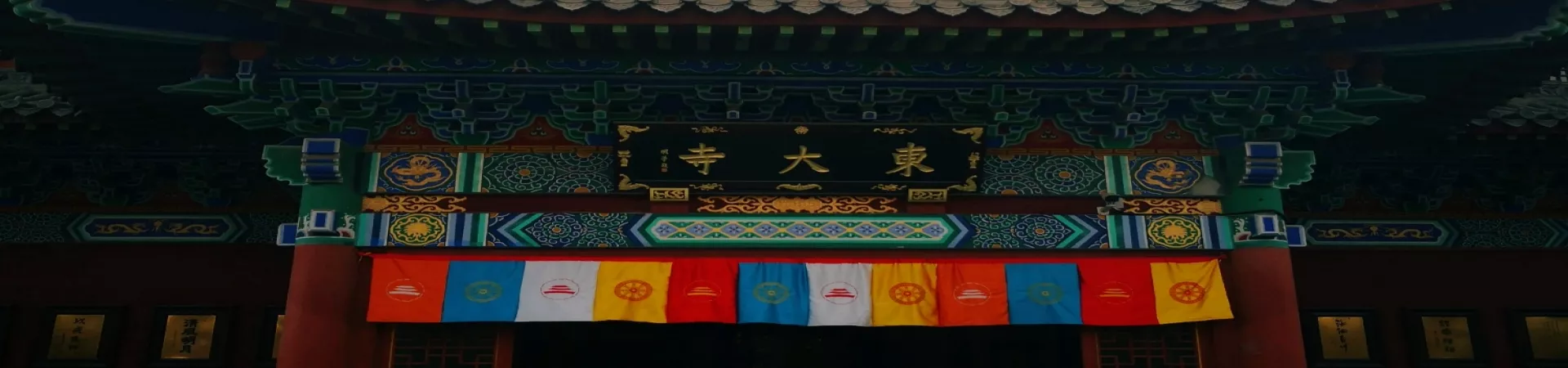
Xingtai Kaiyuan Temple: A Timeless Legacy of Tang Dynasty Grandeur
In the northeastern corner of the ancient city of Xingtai, a haven of spiritual serenity unfolds - the Kaiyuan Temple, a venerable Buddhist sanctuary that has stood the test of time for over 1,200 years since its inception during the Kaiyuan era of the Tang Dynasty. Designated as a key provincial cultural relic protection unit by the Hebei Provincial Government in 1982, the Kaiyuan Temple attained national recognition on May 25, 2006, as a sixth batch National Key Cultural Relic Protection Unit, specifically acknowledged for its Ming Dynasty architectural marvels.
Occupying 45 mu (approximately 3 hectares) of sacred ground, the temple, facing north and embracing the south, showcases the resilience of four main halls that have weathered centuries of change, predominantly adopting the architectural style of the Ming Dynasty. These structures, though marked by the sands of time, have retained their historical and artistic significance, earning them a distinguished place in the cultural tapestry of China.
Architectural Splendor:
1. Maitreya Buddha Hall:
One of the four halls, the Maitreya Buddha Hall, not only houses the iconic Buddha statue but also adorns its walls with verses composed by renowned figures throughout history. Legend has it that Zhongli Quan, one of the Eight Immortals, left behind a poetic inscription during his visit to the temple, expressing sentiments of departure and longing.
The verses read: "Encountering enlightened monks is rare; when will I return, hoping for companionship? They say his dwelling extends beyond the boundless ocean, another peak distinctively Penglai. Do not disdain frequent laughter and conversation; in leisure, counting from the beginning, how many people are left? Reflecting on the quiet and peaceful, there are few."
2. Shakyamuni Buddha Hall:
The Shakyamuni Buddha Hall stands as the architectural gem of the Kaiyuan Temple. Built in the hard mountain style, its intricate structure and unique style make it a masterpiece. In the 13th year of the Ming Dynasty's Zhengde era (1518 AD), the hall witnessed the addition of four exquisitely carved stone columns with rolling dragon motifs, rivaling the renowned dragon-carved stone columns in Shandong's Confucius Temple.
These four stone columns, each measuring 4.5 meters in height and 2.5 meters in circumference, showcase intricate carvings of ascending and descending dragons with lifelike precision. The dragon heads and bodies extend beyond the columns, creating a powerful and dynamic impression of real dragons in flight. These stone columns, alongside delicately carved stone panels on either side, stand as treasures of Chinese cultural and artistic heritage.
3. Giant Iron Bell:
Adjacent to the three halls, a colossal iron bell, dating back to the 24th year of the Jin Dynasty's Dading era (1184 AD), is an awe-inspiring relic. Measuring 2.7 meters in height, with a perimeter of 7.2 meters and a thickness of half a foot, the bell weighs over 30,000 jin (approximately 15 tons). Intricately adorned with twelve animal motifs corresponding to the Chinese zodiac and eight trigrams, the bell serves as a testament to the advanced iron casting techniques of ancient China.
Despite enduring the ravages of time, the bell's vibrant red hue persists, a testament to the superb craftsmanship employed in its creation. Originally housed in the bell tower to the east of the three main halls, the resonant toll of this bell, known as the "Wild Temple Bell," echoed for miles, becoming a distinctive feature of Xingtai.
Spiritual Legacy:
Kaiyuan Temple, colloquially known as Dong Da Si, stands as a testament to the rich Buddhist heritage of northern China. Established during the Kaiyuan era of the Tang Dynasty, the temple became a prominent center for Buddhist teachings. In the fifth year of the Five Dynasties, the Indian monk Kongben, known for translating Buddhist scriptures, spent five years at the temple, contributing significantly to cultural exchanges between China and India.
The Yuan Dynasty marked the zenith of the temple's prosperity, with Emperor Shizu of the Yuan Dynasty, Kublai Khan, gracing Kaiyuan Temple with his presence on two occasions. Despite a gradual decline in the Ming Dynasty and beyond, the temple continued to attract revered monks and scholars, symbolizing the spiritual heart of northern China.
According to the records of the "Xingtai County Annals," the sound of the temple bell, tolling at the crack of dawn with the rising sun, could be heard for miles, inspiring both local residents and wandering monks to join in prayer. Thus, Kaiyuan Temple rightfully earned its reputation as a Buddhist center in northern China.
In the evolving tapestry of history, Kaiyuan Temple remains an enduring symbol of faith, culture, and architectural splendor, beckoning visitors to immerse themselves in the tranquility and spiritual richness it has preserved for more than a millennium. The whispers of ancient verses and the echoes of the Wild Temple Bell invite all who venture within its sacred grounds to witness the legacy of Kaiyuan Temple.