Wangnao Village
Subtitle: A Journey Through Time in the Stone Fortress Village of Northern China
Introduction: Where History is Etched in Stone
Nestled amidst the rugged terrain of Xingtai City in Hebei Province, China, lies Wang'ao Village, a hidden gem that seems to defy time. More than just a settlement, it is a profound cultural artifact, a living museum built entirely from stone. Perched on the southern slopes of the Taihang Mountains, this ancient village offers a breathtaking escape into a world where architecture, history, and natural beauty converge. For the discerning traveler seeking authenticity away from modern China's bustling metropolises, Wang'ao presents an unparalleled opportunity to walk through centuries of history, etched into every alleyway, courtyard, and fortress-like wall.
1. The Architectural Marvel: A Fortress of Stone and Symbolism
The very soul of Wang'ao Village is its architecture. The village is a masterpiece of stone construction, a direct response to its historical context and environment.
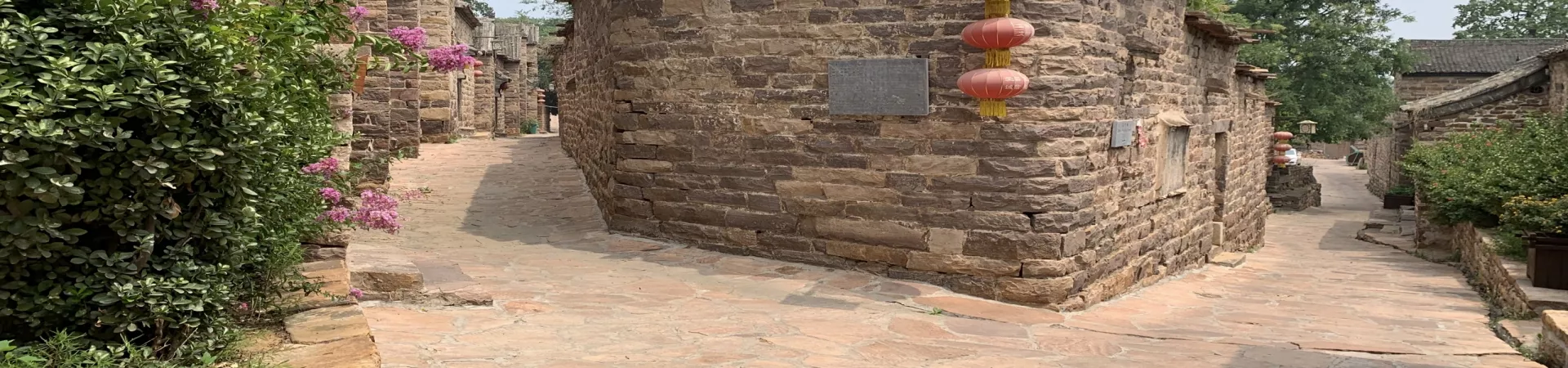
1.1. The Stone Castle Dwellings The most striking feature is the complete use of local red quartz sandstone in constructing every building. From foundations to walls, from gates to rooftops, the warm, reddish hue of the stone creates a harmonious and imposing visual unity. The dwellings are not ordinary houses; they are fortified manors, often two or three stories high. Their design reflects a need for defense, with exceptionally thick walls, narrow windows, and intricate internal layouts that prioritize security and privacy.
1.2. Unique Design and Defensive Features The village layout is a labyrinth of strategic genius. The streets are narrow, winding, and deliberately constructed like a maze. This was a deliberate defensive tactic to confuse potential bandits or invaders. Many alleys are dead ends, while others connect through hidden passages or over rooftops. The entire village functions like a collective fortress, where each home is a stronghold and every street a tactical corridor. Elaborate stone carvings adorn door frames and lintels, depicting traditional symbols of good fortune, longevity, and scholarly achievement, showcasing that even in a defensive structure, cultural aspirations flourished.
1.3. Historical Roots: A Legacy of the Ming Dynasty The village's origin story is deeply intertwined with the Ming Dynasty (1368-1644). Historical records and local lore suggest that the village was founded by a military official, Wang DeCai, who retreated to this remote area. Whether he was a general seeking refuge or a soldier tasked with guarding the frontier, his legacy is imprinted in the village's martial layout. The architecture represents a fascinating fusion of civilian residential needs with military defensive principles from that era, preserved almost intact for over 600 years.
2. A Walk Through the Living Museum: Key Sights and Experiences
Exploring Wang'ao is best done on foot, allowing oneself to get lost in its timeless corridors.
2.1. The Central Network of Alleys Begin your exploration by meandering through the main network of stone-paved alleys. Feel the coolness of the stone walls, notice the wear on the steps from centuries of footsteps, and observe the clever drainage systems. Look up to see the "seeing-through" walls—perforated parapets that allowed for ventilation and observation while providing cover. This immersive walk is the primary way to appreciate the village's unique atmosphere.
2.2. The Wang Family Ancestral Hall As the founding clan, the Wang family's ancestral hall holds a place of central importance. While modest in comparison to grandiose southern Chinese halls, its significance is profound. It served as the spiritual and social core of the community, a place for rituals, meetings, and upholding clan traditions. The structure and any remaining artifacts offer a glimpse into the social hierarchy and familial piety that governed village life for generations.
2.3. Elevated Vantage Points For a panoramic understanding of the village's layout and its integration with the dramatic Taihang Mountain landscape, find one of the higher vantage points. Climbing to the upper levels of a dwelling or to the village periphery reveals the stunning view of russet rooftops cascading down the hillside, surrounded by imposing mountain ridges. This perspective truly underscores why this location was chosen for settlement and defense.
3. Cultural Tapestry: Beyond the Stone
While the stone structures are the main attraction, the intangible culture of Wang'ao is equally compelling.
3.1. Local Crafts and Textile Traditions The region is historically known for its textile production. While modern industry has changed much, visitors might still encounter references to or demonstrations of traditional weaving or needlework, representing a softer counterpoint to the hard stone environment. These crafts speak to the self-sufficiency and artistic sensibility of the villagers throughout history.
3.2. Folklore and Oral History The story of Wang DeCai is just the beginning. The village is rich with local legends, stories of bandit raids, tales of hidden treasures, and folklore passed down through generations. Engaging with local residents or guides can bring these stories to life, adding a layer of human drama to the architectural wonder.
4. The Visitor's Journey: Practical Immersion
4.1. The Journey There Reaching Wang'ao Village is part of the adventure. Located approximately 45 kilometers southwest of downtown Xingtai, the journey involves travel by road into the Taihang foothills. The final approach offers scenic views, setting the stage for the historical discovery to come. It is accessible by private vehicle or via arranged tours from Xingtai or Shijiazhuang.
4.2. Seasons and Atmosphere Each season paints the village in a different light. Spring and autumn are ideal, with mild temperatures and clear skies. Autumn, in particular, contrasts the red stone with golden foliage. Summer brings lush greenery, while winter can cloak the stone fortress in a quiet blanket of snow, offering a profoundly serene and dramatic atmosphere.
4.3. Preservation and Sustainable Tourism Wang'ao Village is recognized for its immense historical value. As a visitor, it is crucial to practice respectful tourism. This means staying on designated paths, not touching or climbing on fragile stonework, and being mindful of the residents' privacy. Supporting local businesses by purchasing authentic handicrafts or enjoying a simple meal helps contribute to the village's preservation and ensures its story continues for future generations to discover.