Huizongsi
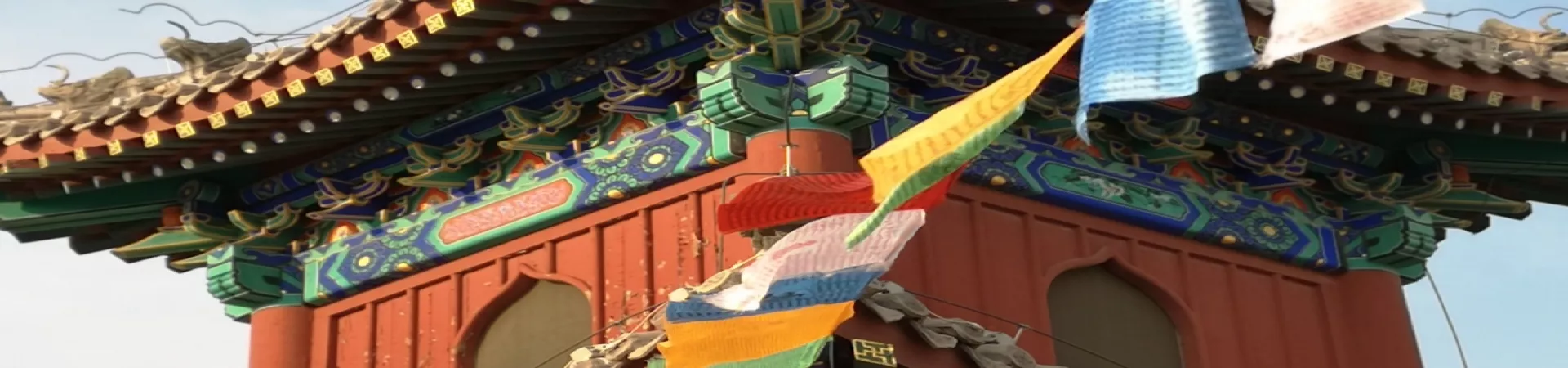
Discover the Majestic Heritage of Huizong Temple in Xilin Gol League
Introduction:
Nestled in the serene landscapes of Duolun County, Inner Mongolia Autonomous Region, Huizong Temple stands as a testament to cultural richness and historical legacy. Established in the 30th year of the Kangxi era (1691 AD), during the Qing Dynasty, this sacred sanctuary has witnessed the ebb and flow of time, surviving invasions and embracing the resurgence of its spiritual grandeur.
Historical Significance:
The roots of Huizong Temple trace back to the valiant defense against the incursion led by Kaldan, the Choros-Oirat Mongol leader, supported by Tsarist Russia. In 1690, Emperor Kangxi personally intervened and triumphed over Kaldan, marking a significant victory. The subsequent year saw the iconic "Duolun Meeting," where Emperor Kangxi pledged to construct a temple to commemorate the auspicious event, thus commencing the construction of Huizong Temple.
Architectural Marvel:
Huizong Temple, crafted with precision and devotion, boasts a wooden structure with a towering height of fifteen meters. Positioned on a foundation of meticulously arranged stone slabs, the temple complex encompasses a front courtyard and a rear courtyard known as Baoxia. With a facade composed of twenty thick main beams supporting the upper and lower levels, the Northern Hall contains a staggering 99 rooms. The entire structure exudes elegance and sophistication, with a distinct blue glazed tile roof adorned with ornate dragon-ridged designs.
Completion and Royal Recognition:
The construction reached completion on March 21, 1712, and in May 1714, Emperor Kangxi bestowed the temple with the name "Huizong Temple," inscribing commemorative plaques and calligraphy. The historical journey of building the temple has been meticulously documented in four languages – Manchu, Mongolian, Chinese, and Tibetan – etched onto stone tablets within the premises.
Cultural Elements:
Huizong Temple transcends its architectural grandeur, serving as a repository of historical murals, scriptures, and cultural relics. The temple's layout includes a dance ground, grand mountain gate, Heavenly Kings Hall, bell and drum tower, main hall (both upper and lower levels), and ancillary structures such as the East and West Wing Halls, official granary, and exquisite chambers.
Adversities and Preservation:
Throughout its existence, Huizong Temple faced adversities, including fires during the Qing Dynasty and damage during World War II. The temple, however, has been resiliently reconstructed, preserving its spiritual essence. In recognition of its historical and cultural significance, the State Council designated Huizong Temple as a fifth-batch National Key Cultural Relic Protection Unit in 2001.
Visiting Information:
- Opening Hours: All Day (Monday-Sunday)
- Note: For detailed visiting information, please contact the scenic area administration.
Embark on a journey through time and spirituality at Huizong Temple, where the echoes of history resonate in the hallowed halls, offering a glimpse into the enduring cultural heritage of Xilin Gol League.