Hubei Tongshan Yinshui Cave Geological Park
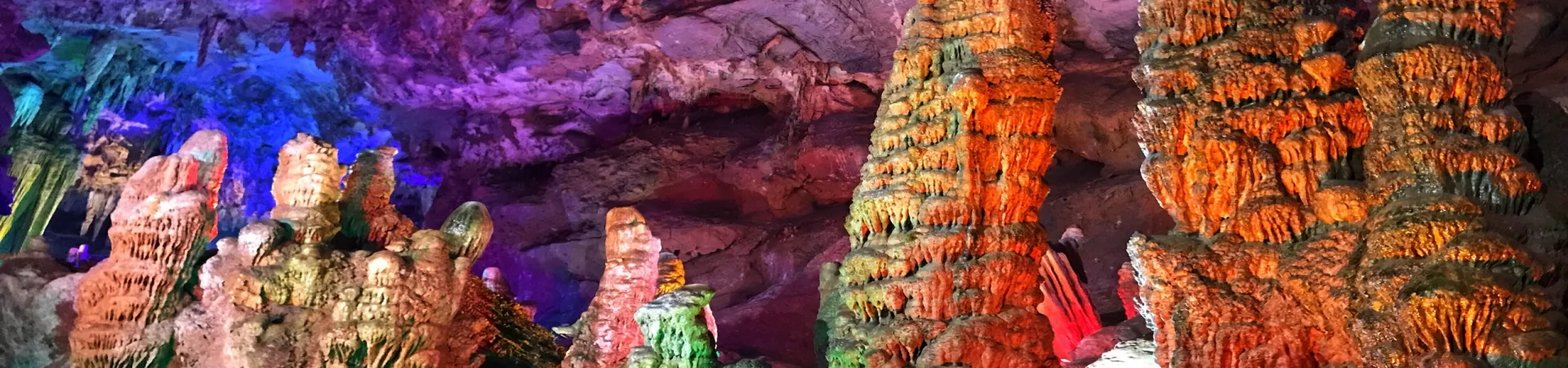
Subtitle: A Journey into the Karst Wonderland of Central China
1. Introduction to Yinshui Cave Geological Park Nestled in Tongshan County, Xianning City, within Hubei Province, the Yinshui Cave Geological Park stands as a magnificent testament to nature's artistic prowess and geological history. Established around its core feature—a spectacular karst cave system—the park protects and showcases a premier example of soluble rock landscapes shaped over eons. The park's centerpiece, Yinshui Cave itself, is a vast subterranean world formed through intricate karst processes controlled by regional fault structures. Stretching approximately 5,180 meters in length, this cave system presents a unique synthesis where the cavern and an underground river merge into one cohesive passage. This fusion of landform and watercourse creates a dynamic environment where continuous mineral-rich water droplets sculpt the interior, resulting in an unparalleled collection of speleothems. The cave has earned evocative titles such as "The Celestial Cave of Central China" and "The Mysterious Underground Pearl Palace," hinting at the otherworldly beauty that awaits visitors beneath the surface.
2. Exploring the Subterranean Splendor: Cave Features and Formations Venturing into Yinshui Cave is akin to stepping into a natural art gallery curated by time and water. The cave's interior is a breathtaking panorama of diverse and grandiose karst formations, each telling a silent story of slow, persistent geological activity.
2.1. A Symphony of Speleothems The cave walls, ceilings, and floors are adorned with a stunning array of calcite deposits. Visitors are greeted by forests of stalactites hanging from above like stone icicles and stalagmites rising from the ground, some meeting to form majestic columns. Delicate, translucent formations exhibit a remarkable玲珑剔透 (linglong titou) quality—a Chinese term describing exquisite, crystal-clear craftsmanship found here in nature's own work.
2.2. Flowing Stone Draperies and Cascades Beyond individual formations, the cave features expansive stone curtains (石幔) and stone curtains (石幕), which resemble frozen waterfalls or vast draperies of intricately folded rock. In some sections, stone waterfalls (石瀑) create the dramatic illusion of cascading water petrified in mid-flow. Another fascinating sight is the presence of rimstone pools or terraces (石田), resembling miniature, layered rice paddies formed by calcite precipitation along the edges of flowing water.
2.3. The Underground River Experience A defining characteristic of Yinshui Cave is the integral role of its underground river. This waterway is not merely a passive feature; it is the active sculptor of the cave and a pathway for exploration. The sound of flowing water accompanies the journey, enhancing the mystical atmosphere. In certain sections, the river widens, reflecting the glittering formations above and creating mesmerizing scenes of light and shadow. The constant presence of water ensures the cave remains a living, evolving geological entity.
3. Practical Visitor Information To ensure a smooth and enjoyable visit to Yinshui Cave Geological Park, here are the essential details regarding access, fees, and timing.
3.1. Location and Contact The park is located in Tongshan County, Xianning, Hubei Province. For direct inquiries, visitors can contact the park at: +86 715 2750888.
3.2. Admission Fees and Policies Admission to Yinshui Cave operates on a tiered pricing system: * Standard Adult Ticket: 112 RMB. * Concession Ticket: 60 RMB. This applies to: * Minors with a height between 1.2 meters and 1.4 meters. * Seniors aged 60 (inclusive) to 69 (inclusive) upon presentation of valid ID. * Free Admission is granted to: * Children under 1.2 meters in height. * Seniors aged 70 and above with valid identification. * Active-duty military personnel and individuals with disabilities upon presenting valid certificates.
Important Note: All ticket information is subject to change. It is highly recommended to verify the latest prices and policies directly with the park on the day of your visit.
3.3. Operating Hours The park is open daily throughout the year. * Opening Time: 8:30 AM * Last Admission: 4:30 PM * Closing Time: 4:30 PM Visitors should plan to arrive well before the last admission time to allow for a complete exploration.
4. Planning Your Visit A trip to Yinshui Cave requires some preparation to maximize the experience.
4.1. Suggested Duration Plan for a minimum of 3 hours inside the cave. This allows for a leisurely pace to appreciate the formations, navigate the pathways (which include walking, sections with boat rides on the underground river, and possibly a small train segment, typical in such large Chinese cave systems), and take photographs without feeling rushed.
4.2. What to Wear and Bring * Footwear: Sturdy, non-slip walking shoes are essential, as cave paths can be damp and uneven. * Clothing: The cave maintains a cool, constant temperature year-round, typically cooler than the surface. Bringing a light jacket or sweater is advisable, even in summer. * Photography: Cameras are a must, but a flash or good low-light capability is helpful. Tripods might be useful in darker areas but check if they are permitted for general visitors. * Other Items: Carry drinking water, though food might be restricted inside the cave proper.
4.3. Transportation and Access While the provided text does not detail specific transport routes, reaching Tongshan County usually involves travel via major hubs like Wuhan. From Xianning or Tongshan county town, visitors can likely access the park by taxi, private car, or tourist bus services. It is recommended to check the latest local transportation options or consider a guided tour that includes transfer. The park likely has designated parking areas for private vehicles.
4.4. Enhancing the Experience Consider opting for a guided tour if available. Knowledgeable guides can provide invaluable insights into the geology, history, and folklore associated with the cave's formations, transforming a visual spectacle into an educational journey. Always follow park guidelines, stay on designated paths to protect the fragile calcite structures, and avoid touching the formations, as oils from skin can halt their growth and cause discoloration.