Star Bamboo Sea
Subtitle: A Traveler's Guide to Xianning's Bamboo Sea
1. Introduction to the Star Bamboo Sea of Xianning
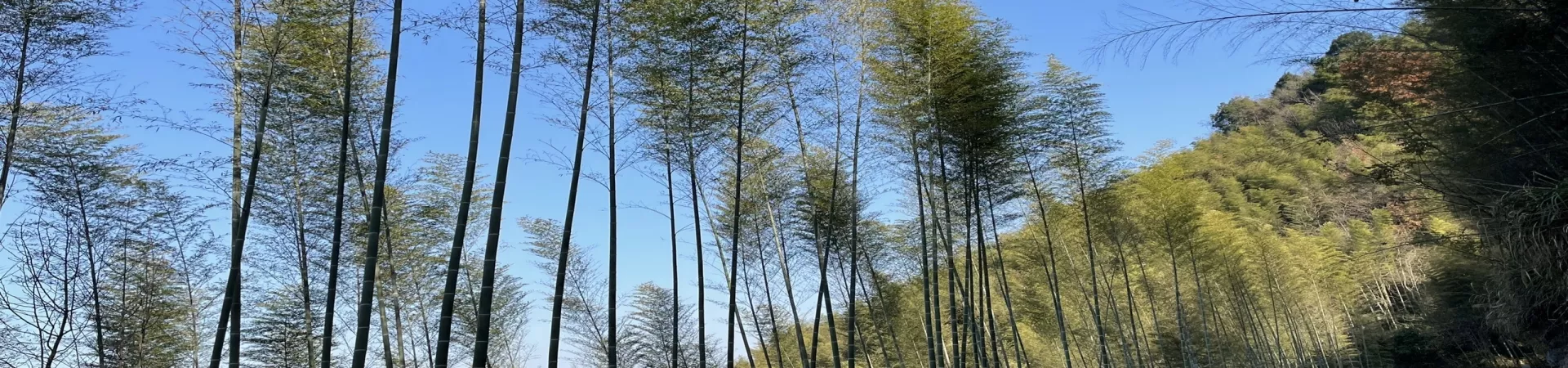
Nestled in the lush, rolling hills of Xianning City in China's Hubei Province lies a landscape of serene and extraordinary beauty: the Star Bamboo Sea (星星竹海, Xingxing Zhuhai). This is not merely a forest but a vast, undulating ocean of green, where countless bamboo stalks, reaching skyward, create a mesmerizing canopy that sways and whispers with the wind. The name itself evokes a sense of the celestial, suggesting a sea of stars mirrored on earth through the dappled sunlight filtering through the dense bamboo groves. For travelers seeking an escape from urban clamor, a deep immersion in nature, and a unique cultural-geological experience, the Star Bamboo Sea offers a profoundly refreshing and visually stunning destination. It represents one of Central China's most significant bamboo ecosystems, blending natural splendor with opportunities for leisure, photography, and quiet contemplation.
2. Planning Your Visit: Practical Information
2.1. Location and Accessibility The Star Bamboo Sea is situated within Xianning's administrative region, approximately a 1.5 to 2-hour drive from the major urban center of Wuhan. This makes it an ideal destination for a day trip or a weekend getaway. Visitors can opt for self-driving, which offers the most flexibility for exploring the area's roads, or utilize tourist buses and hired taxis from Xianning city proper. The journey itself, transitioning from cityscapes to countryside and finally into the heart of the bamboo-covered hills, sets the perfect tone for the experience ahead.
2.2. Admission Fees and Operating Hours A visit to the Star Bamboo Sea is remarkably accessible. The standard admission fee is set at 20 Chinese Yuan (CNY), making it an affordable excursion for individuals, couples, and families alike. The park operates daily from 09:00 to 17:00, with the last admission granted at 17:00. This schedule is consistent throughout the year, from January 1st to December 31st. It is advisable to arrive with sufficient time to fully enjoy the walks and sights without feeling rushed before closing.
2.3. Suggested Duration To truly appreciate the scale and tranquility of the Bamboo Sea, allocating a minimum of 3 hours is recommended. This allows for a leisurely pace along the main paths, time for photography, and moments of rest amidst the bamboo. Many visitors choose to spend half a day or even a full day here, especially if they plan to explore deeper trails, enjoy a picnic, or simply wish to prolong the peaceful atmosphere.
3. Exploring the Bamboo Sea: Experiences and Landscapes
3.1. The Immersive Sensory Journey Stepping into the Star Bamboo Sea is a multi-sensory experience. Visually, it is a masterpiece in shades of green—from the bright emerald of new shoots to the deep jade of mature culms. The air is noticeably cooler and fresher, carrying the subtle, clean scent of bamboo and damp earth. The soundtrack is dominated by the gentle rustling of leaves, a natural symphony punctuated by bird calls. Light plays through the canopy, creating ever-changing patterns on the forest floor.
3.2. Key Scenic Spots and Trails The area is developed with walking paths and trails that cater to different levels of mobility. * The Main Viewing Corridors: Well-paved paths lead visitors through the densest parts of the forest, offering iconic views of endless bamboo stalks aligned in natural rows. * Observation Platforms: Strategically placed platforms on higher ground provide panoramic vistas of the "sea" — waves of bamboo cresting over the hills as far as the eye can see, especially breathtaking after rain or in misty conditions. * The Geological Component: The region is also known for its karst landscape. Keen observers will notice interesting rock formations and outcrops interspersed among the bamboo, adding a layer of geological intrigue to the biological wonder.
3.3. Activities for Visitors Beyond walking and sightseeing, the environment invites simple, restorative activities: * Photography and Art: A paradise for photographers and painters, offering endless compositions of line, light, and texture. * Mindfulness and Relaxation: The inherent peace of the bamboo forest makes it an excellent spot for meditation, reading, or simply disconnecting from digital devices. * Picnicking: Designated areas allow visitors to enjoy a meal surrounded by nature (visitors are expected to take all waste with them to preserve the pristine environment).
4. Cultural and Ecological Significance
4.1. Bamboo in Chinese Culture The visit is enriched by an understanding of bamboo's deep roots in Chinese culture. It is a symbol of resilience, elegance, and virtuous character—hollow inside (representing humility) and strong yet flexible in the wind (representing endurance). Poets and artists have celebrated it for millennia. Walking through the Star Bamboo Sea, one walks through a living symbol of these traditional values.
4.2. Ecological Importance and Sustainability The Bamboo Sea is a vital ecosystem. Bamboo groves prevent soil erosion, sequester carbon efficiently, and provide habitat for various species. The management of the site as a scenic area involves a balance between tourism and conservation. Visitors play a crucial role by staying on marked paths, not harming the plants, and adhering to "leave no trace" principles to ensure this green treasure remains vibrant for future generations.
4.3. Local Context and Best Times to Visit While beautiful year-round, the Bamboo Sea has seasonal highlights. Spring brings tender new shoots. Summer offers a cool, shaded retreat from the heat. Autumn presents a stable, mild climate with clear air. Winter can be magical when frost or light snow dusts the evergreen bamboo, though it can be chilly. Weekdays typically see fewer visitors than weekends. Combining a trip here with other attractions in Xianning, such as hot spring resorts which the city is famous for, can create a perfect itinerary of natural relaxation and rejuvenation.