Xiangxi East Gate City Tower
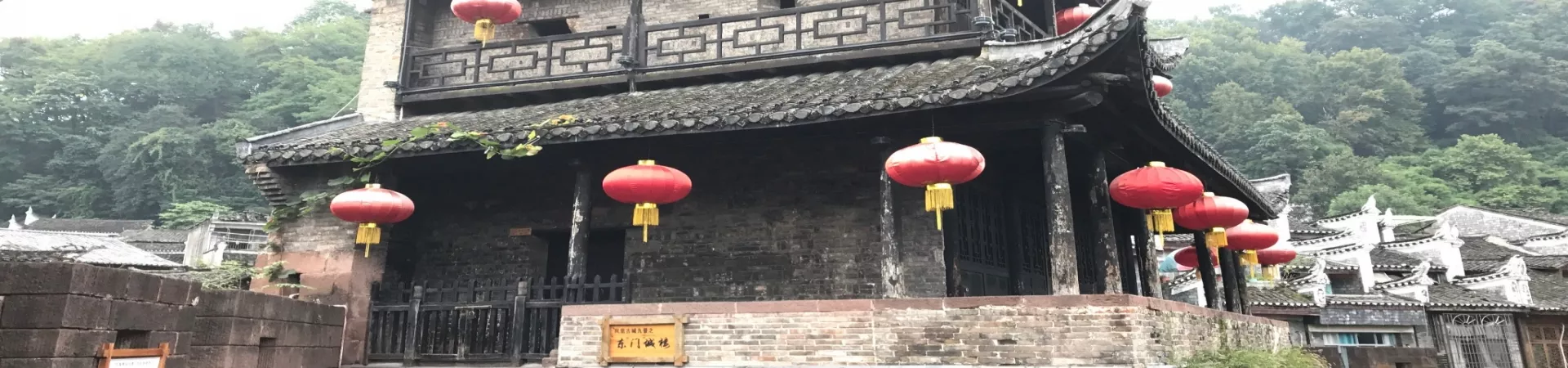
Subtitle: The Eastern Gate Tower of Fenghuang Ancient Town: A Ming Dynasty Sentinel Overlooking the Tuojiang River
1. Introduction: The Guardian of the East
Nestled within the enchanting embrace of Fenghuang Ancient Town in China's Hunan province, the Eastern Gate Tower, locally known as "Shengheng" Gate, stands as one of the four primary fortified entrances to this historic riverside settlement. More than just an architectural relic, it serves as a silent sentinel, a tangible connection to a bygone era, and a magnificent viewpoint that has watched over the ebb and flow of life along the banks of the serene Tuojiang River for centuries. Its strategic position, facing the eastern hills and nestled against the river, underscores its historical role in both defense and daily commerce, offering visitors a profound first glimpse into the town's layered past and enduring charm.
2. Architectural Grandeur and Historical Significance
2.1. Imperial Inspiration and Strategic Design Constructed in 1715 during the 54th year of the reign of Emperor Kangxi of the Qing Dynasty, the Eastern Gate Tower embodies a fascinating blend of local necessity and imperial aspiration. Its design was notably inspired by the formidable Qianmen (Front Gate) of Beijing, a testament to the far-reaching influence of the capital's architecture. This deliberate mimicry speaks volumes about the status and strategic importance of Fenghuang as a frontier town.
The tower rises to an imposing height of 11 meters, its structure built from robust city bricks. Its most distinctive feature is the Xieshan-style roof—a complex, multi-inclined roof form reserved for significant structures in classical Chinese architecture. Adorned with gracefully upturned eaves and flying corners, the roof projects an aura of solemn grandeur against the skyline. A secondary waist-eave encircles the lower level, adding to the visual complexity and elegance. The outward-facing facade reveals its defensive purpose: two tiers of gun ports, four on each level, silently narrate the tower's readiness to protect the town within.
2.2. The Gateway Itself: Form and Function Passing through the tower means traversing its ancient gateway. The arched doorway measures 3.5 meters in width and 4 meters in height, a portal that has accommodated centuries of foot traffic, from merchants and soldiers to townsfolk and, now, curious travelers. The substantial wooden gates, sheathed in iron plates for reinforcement, are studded with large, round-headed iron nails. This robust construction was not merely decorative; it was a crucial element of the town's fortifications, designed to withstand assault and secure the community against external threats.
3. The Visitor Experience: Immersion and Views
3.1. Panoramic Vistas from the Tower The primary reward for visitors is the breathtaking panoramic vista from the top of the gate tower. Ascending its steps leads to a unparalleled viewing platform. To the east, the rolling "Dongling" (Eastern Hills) form a verdant backdrop. Below and to the west, the entire tapestry of Fenghuang Ancient Town unfolds—a mesmerizing maze of ancient dwellings with their dark-grey tiled roofs, winding cobblestone alleys, and the iconic stilted houses, known as Diaojiaolou, clinging precariously to the riverbanks. The Tuojiang River itself, the lifeblood of the town, meanders peacefully, its surface often dotted with traditional bamboo rafts. This vantage point is particularly magical at sunrise or sunset when the soft light bathes the ancient town in golden hues, creating a scene of timeless beauty.
3.2. Integration into the Ancient Town Walk The Eastern Gate Tower is not an isolated monument but an integral part of the living fabric of Fenghuang. It marks a key point along the well-preserved ancient city wall. Visitors can embark on a leisurely walk along a section of this wall, connecting the tower to other historical sites. The area immediately surrounding the gate is often vibrant with gentle activity, offering glimpses of local life and providing numerous photographic opportunities where the ancient architecture meets the flowing water.
4. Practical Information for Planning Your Visit
4.1. Location and Accessibility The Eastern Gate Tower is situated on the eastern side of Fenghuang Ancient Town, within Fenghuang County, Xiangxi Tujia and Miao Autonomous Prefecture, Hunan. Access is straightforward and part of the charm: the entire ancient town is a pedestrian-friendly zone. The tower is easily reached on foot from anywhere within the old town's core. Simply follow the signs for the ancient city wall or the Tuojiang River's eastern bank.
4.2. Admission and Operating Hours Access to the Eastern Gate Tower is included in the combined entrance ticket for Fenghuang Ancient Town's scenic area. As of the latest information, this all-inclusive ticket is priced at approximately 148 RMB per person. This ticket typically grants access to several key historic sites within the town, including other gate towers, former residences of notable figures, and ancestral halls. It is advisable to check for any updates on pricing or separate entry policies upon arrival.
The tower is generally open to visitors daily from 7:30 AM to 6:00 PM, throughout the year. Allocating 1 to 3 hours is recommended for a thorough visit. This allows sufficient time to appreciate the tower's architecture, enjoy the views from its top, and perhaps take a stroll along the adjacent city wall without feeling rushed.
4.3. Enhancing Your Visit To fully appreciate the context, consider hiring a local guide at the entrance or reading informational plaques on-site to delve deeper into the tower's history. For photography enthusiasts, the late afternoon light provides excellent conditions. As the tower is a popular site, visiting during weekday mornings may offer a slightly quieter experience. Remember to wear comfortable walking shoes, as the ancient town's streets and the tower's steps are made of historic stone and can be uneven.