Wanming Pagoda
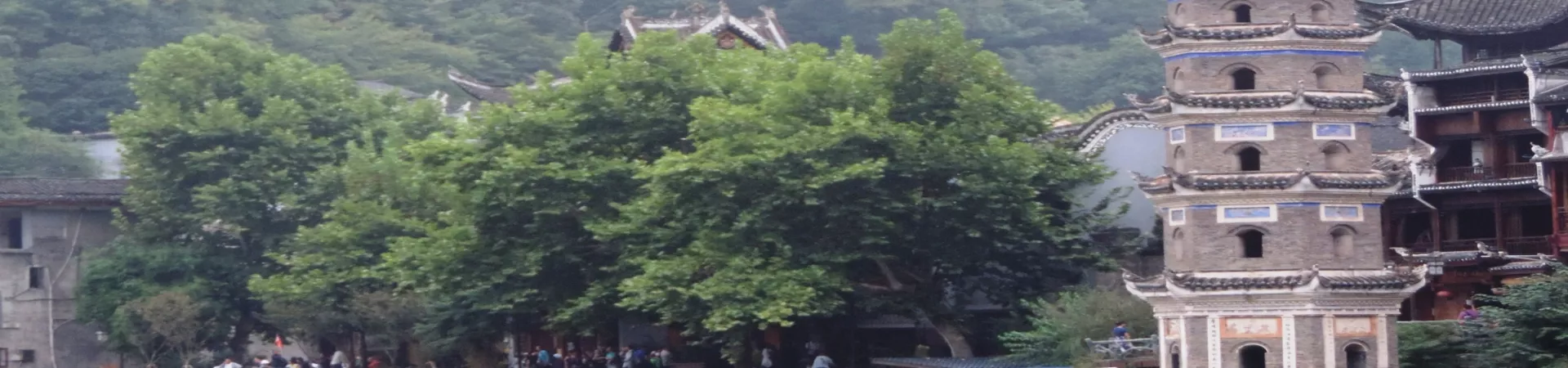
Subtitle: A Luminous Beacon on the Tuo River: The Allure of Wanming Pagoda
1. Introduction: The Silent Sentinel of Fenghuang
Nestled on the north bank of the serene Tuo River, not far from the architectural grandeur of the Wanshou Palace, stands the Wanming Pagoda (Ten-Thousand-Names Pagoda). This elegant structure is far more than just another ancient monument within the historic Fenghuang Ancient Town; it is a silent sentinel that watches over the river’s flow by day and transforms into a radiant, poetic beacon by night. For visitors navigating the labyrinth of cobblestone streets and stilted houses, the pagoda offers a point of visual and spiritual orientation, its form reflecting both the scholarly heritage and the enduring artistic soul of this remarkable region in Western Hunan.
2. Architectural Essence and Daytime Character
2.1 Form and Structure The Wanming Pagoda is a classic example of traditional Chinese brick pagoda architecture. It rises as a six-sided, hexahedral tower, comprising multiple tiers (typically noted as six main levels) that taper gracefully towards the sky. Its solid brick construction, weathered by time and elements, speaks to the craftsmanship of its builders and provides a stark, beautiful contrast to the lush greenery of the riverbank and the fluidity of the water below.
2.2 A Muse for Artists During daylight hours, the pagoda’s true role in the local cultural landscape becomes evident. It is a beloved subject for artists, particularly students who frequent the riverbanks with sketchpads and canvases in hand. The pagoda’s clear geometric form against the soft, natural backdrop of hills and water creates an ideal study in composition, light, and perspective. Observing these artists at work adds a dynamic, living cultural layer to the site, connecting the ancient structure to the creative impulses of the present generation.
3. The Nocturnal Transformation: When the Pagoda Truly Shines
3.1 The Spectacle of Light and Reflection As dusk settles over Fenghuang and the blue hour deepens, the Wanming Pagoda undergoes a breathtaking metamorphosis. Strategically placed lamps illuminate its facade, casting a warm, golden glow that cuts through the twilight. This is when the pagoda’s most iconic and mesmerizing scene unfolds. Its brilliantly lit form is perfectly mirrored in the still, dark waters of the Tuo River, creating the illusion of twin pagodas—one rooted in the earth, the other dancing on the water’s surface. This symmetrical spectacle is nothing short of spectacular, a picture-perfect moment that defines the magical atmosphere of Fenghuang at night.
3.2 An Unparalleled Photography Opportunity For photographers, both amateur and professional, this time is pure gold. The combination of the architectural subject, the warm artificial light, the natural darkness, and the flawless reflection offers endless creative possibilities. * Exterior Shots: The classic shot capturing both the real pagoda and its watery reflection is a must. A longer exposure can smooth the river’s surface, enhancing the mirror effect and capturing the movement of occasional boats as light trails. * Interior Ambiance: The interior of the pagoda, bathed in the same warm yellow light, offers intimate and atmospheric frames. The play of light and shadow on the brick walls, wooden beams, and through window openings can create compelling compositions focused on texture and mood rather than grand vistas.
4. Practical Information for the Visit
4.1 Location & Access The Wanming Pagoda is conveniently located within the pedestrian-friendly core of the Fenghuang Ancient Town. The most authentic and enjoyable approach is on foot, allowing you to absorb the town’s ambiance as you meander along the riverbank path from the bustling central areas or the Wanshou Palace. The journey itself is part of the experience.
4.2 Admission and Opening Hours Access to the pagoda itself is free of charge. However, it is situated within the perimeter of the Fenghuang Ancient Town scenic area. Entry to the town requires a general admission ticket, and the pagoda is included within this pass. The site is open 24 hours a day, every day of the year. This unrestricted access allows for maximum flexibility—visit under the bright afternoon sun for sketching, or arrive late to enjoy the nocturnal illumination without time pressure.
4.3 Suggested Duration A dedicated visit to appreciate, photograph, and perhaps sketch the Wanming Pagoda typically requires under an hour. However, its true appeal often encourages a longer, more contemplative stay. Many visitors find themselves returning to its vicinity at different times of day, making it a recurring landmark throughout their exploration of Fenghuang. Its proximity to other key sites also makes it an easy and rewarding stop on any walking itinerary.