Tuojiang Hanging Foot Tower
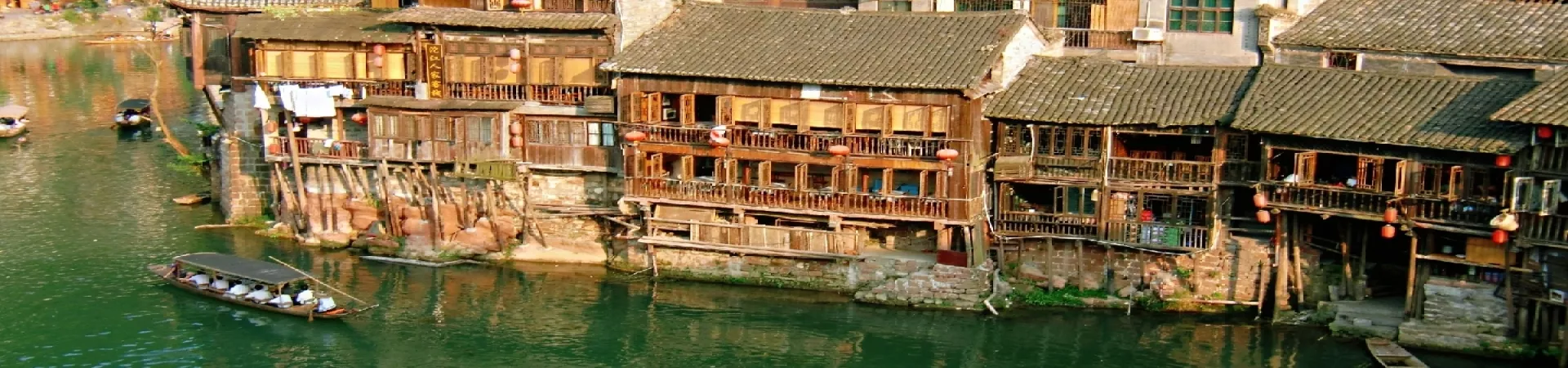
Subtitle: A Timeless Emblem of Miao Culture Along the Tuo River
1. Introduction to the Stilted Houses of Fenghuang
Nestled along the serene banks of the Tuo River in China's Hunan province, the ancient town of Fenghuang (Phoenix Ancient Town) is home to one of the region's most iconic architectural wonders: the Stilted Houses, or Diaojiaolou. These structures are not merely buildings; they are a profound expression of the Miao ethnic minority's ingenuity, culture, and harmonious relationship with nature. Representing the largest cluster of stilted houses in China, this architectural complex forms the very backbone of Fenghuang's historical and aesthetic landscape. For centuries, they have stood as silent witnesses to the flow of the river and the rhythms of local life, their reflections shimmering in the water to create a scene of ethereal beauty that has captivated artists, photographers, and travelers from around the globe.
2. Architectural Significance and Cultural Heritage
2.1. Design and Structure The design of the Diaojiaolou is a masterful response to the local environment. Built primarily from wood, bamboo, and stone, these houses are characterized by their unique elevation. The rear section of the house is typically grounded on the riverbank or hillside, while the front portion is suspended over the water or steep slope by sturdy wooden pillars. This ingenious "hanging" design serves multiple critical purposes. Primarily, it conserves valuable flat land in the mountainous terrain for agriculture. Furthermore, it protects the living quarters from moisture, floods, and pests, while also providing shaded, cool space underneath for household chores or storage. The upper floors, with their intricately carved wooden balconies and windows, offer residents panoramic views of the river and the bustling town.
2.2. A Symbol of Miao Identity Beyond their practical utility, the stilted houses are a vibrant symbol of Miao culture. The architectural style, passed down through generations, reflects a deep-seated philosophy of living in balance with the natural world. The ornate carvings often found on eaves, window frames, and balcony railings frequently depict local flora, fauna, and traditional symbols representing blessings, prosperity, and protection. Walking through the narrow lanes behind the main riverfront, one can observe the authentic layout of these homes, gaining insight into the communal and family-oriented lifestyle of the Miao people.
3. Evolution in the Modern Era: From Dwellings to Destinations
3.1. Transformation Through Tourism With Fenghuang's emergence as a premier tourist destination, the stilted houses have undergone a significant, yet largely sympathetic, transformation. Many local families, recognizing the historical and cultural value of their homes, have meticulously renovated and refurbished their Diaojiaolou. This wave of restoration has been pivotal in preserving the architectural integrity of the town. Today, numerous stilted houses have been adapted to welcome visitors. Their interiors, once private family spaces, now house a variety of charming guesthouses, boutique hotels, quaint teahouses, artisan shops, and small museums. Staying overnight in a converted stilted house is a highly recommended experience, allowing guests to fall asleep to the gentle sound of the Tuo River and wake up to misty views straight from a classical Chinese painting.
3.2. Balancing Preservation and Accessibility This adaptive reuse presents an ongoing dialogue between preservation and modernization. While the exteriors are generally protected to maintain the town's unified historical appearance, the interiors are updated with modern amenities to ensure visitor comfort. The economic benefit from tourism has provided a powerful incentive for residents to maintain these ancient structures, creating a sustainable model for cultural heritage conservation. However, it also necessitates careful management to prevent over-commercialization and to ensure the authentic spirit of the place is retained for future generations.
4. Experiencing the Stilted Houses: A Visitor's Guide
4.1. Optimal Viewing Points and Perspectives To truly appreciate the grandeur and beauty of the stilted house complex, one must explore it from multiple angles. The most famous and picturesque vantage point is the Shawan Area. This section of the riverbank offers a breathtaking, unobstructed view of the most dense and well-preserved row of Diaojiaolou. Their silhouettes against the sky, whether under the bright sun, soft morning mist, or the glow of illuminated lanterns at night, provide endless photographic opportunities.
For a more immersive and dynamic perspective, there is no better way than to take a boat ride on the Tuo River. Gliding gently on a traditional wooden boat, or wupeng boat, allows you to view the houses from the water level, just as they were designed to be seen. This vantage point lets you observe the intricate details of the supporting pillars, hear the water lapping against the wood, and feel the scale of the structures as they tower above. The boat journey, often piloted by local boatmen, completes the poetic scene of "houses over water, boats under houses."
4.2. Practical Information for Planning Your Visit
4.2.1. Admission and Costs Viewing the stilted houses from the public areas along the riverbank and from Shawan is completely free of charge. There is no ticket required to walk the ancient streets and admire this magnificent architectural feat. However, specific activities such as entering certain historical homes-turned-museums, taking the organized boat tour on the Tuo River, or visiting other ticketed attractions within Fenghuang Ancient Town will have separate fees. It is always advisable to check the latest official prices and package options directly at the tourist information centers or official ticket offices upon arrival.
4.2.2. Recommended Time Allocation To fully soak in the atmosphere, photograph the houses in different lights, and enjoy a leisurely stroll or boat trip, it is recommended to allocate at least 1 to 2 hours for exploring the stilted house area. Many visitors find themselves spending half a day or more, as the area is perfect for slow exploration, café stops, and simply sitting by the river to watch the world go by.
4.2.3. Operating Hours The stilted houses themselves, as an outdoor architectural landscape, are accessible 24 hours a day, every day. The beauty of the scene transforms with the time: serene in the early morning, lively during the day, and magically lit by lanterns after dark. Note that operating hours for specific businesses (guesthouses, shops, boat tour operators) within the houses will vary, typically from early morning until late evening. Boat tours usually operate during daylight hours.