Qianzhou Ancient City
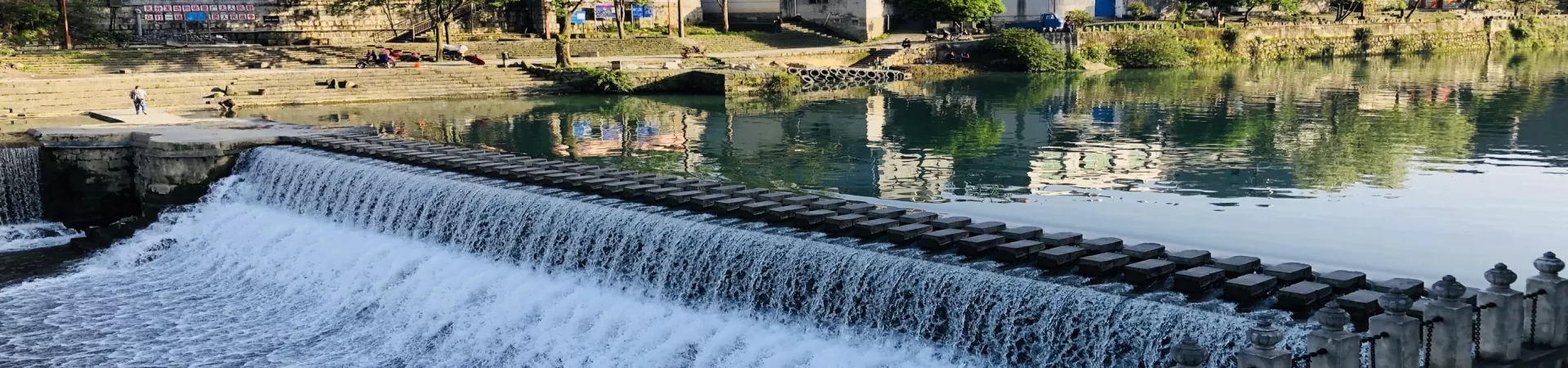
Subtitle: A Journey Through Time in Western Hunan's Ancient City
1. Introduction Nestled on the banks of the Wanrong River within the city of Jishou, the capital of Xiangxi Tujia and Miao Autonomous Prefecture in Hunan Province, lies the ancient city of Qianzhou. With a history stretching back over 4,200 years, it stands not merely as a relic but as a living, breathing chronicle of time. More than just a collection of old buildings, Qianzhou is a profound cultural landscape where the poetry of nature, the architecture of dynasties past, and the vibrant intangible heritage of local ethnic groups converge to create an atmosphere of timeless charm and endless fascination.
2. A Landscape Painted by Nature and History The setting of Qianzhou is itself a masterpiece. Encircled by layers of verdant, mist-kissed mountains, the city rests in a serene, basin-like expanse. The life-giving Wanrong River meanders gracefully through its heart, its banks fringed with willows whose branches trail in the water, while nearby fields bloom with wildflowers. This idyllic natural canvas provides the perfect backdrop for the city's historical treasures.
2.1. Architectural Harmony and Historic Lanes Wandering through Qianzhou is a step back in time. The city's layout is a network of interlocking bluestone streets and alleys, worn smooth by centuries of footsteps. Lining these pathways are well-preserved residences with classic, elegant facades that speak of a refined architectural tradition. Among these, the unique Jiangnan-style compounds of Hujiatang Pond and Jiufutang Hall stand out as exceptional examples of residential design, their courtyards and ponds creating pockets of tranquil beauty.
2.2. Monuments of Culture and Faith The city's spiritual and intellectual heritage is enshrined in its historic monuments. The Confucius Temple (Wenmiao) emanates an aura of reverence, a sacred space dedicated to learning and philosophy that has drawn scholars for generations. The Guanyin Pavilion (Goddess of Mercy Pavilion), perched with an air of serene contemplation, is believed to be a site of great spiritual resonance. On the city's periphery, the remnants of the Southern Great Wall whisper tales of a frontier past, marking the historical boundary of imperial control and ethnic territories.
3. The Cultural Soul of Qianzhou The true essence of Qianzhou extends beyond its physical structures into the realm of living culture and artistic legacy.
3.1. The "Eight Scenic Wonders" and Literary Legacy For centuries, the interplay of Qianzhou's natural scenery and human settlement has been codified in the celebrated "Eight Scenic Wonders of Qianzhou," a series of poetic vistas that have inspired countless artists. This tradition of inspiration is evident in the wealth of classical poems, manuscripts, calligraphy, and paintings left behind by literati and cultural figures throughout the ages, adding a layer of scholarly elegance to the city's ambiance.
3.2. A Living Museum of Intangible Heritage Perhaps most dynamically, Qianzhou serves as a grand showcase for the Intangible Cultural Heritage of Xiangxi. It has rightfully earned the title of a "living museum" or "cultural garden" for these traditions. At the Ancient Crafts Workshop (Baigongfang), visitors are treated to an authentic and vibrant cultural experience. Here, on open-air stages, one can witness captivating performances of local opera, folk songs, and dances that have been passed down through generations of the Tujia and Miao people. The exquisite craftsmanship of "Qianzhou Spring Culture" artifacts, known for their intricate and skillful artistry, represents another facet of this rich, living heritage.
4. Practical Visitor Information 4.1. Location and Transportation Qianzhou Ancient City is located in Jishou City, Xiangxi Prefecture, Hunan Province. The most convenient access from Jishou Railway Station is via public bus Route 1. Alight at the Fujiatang Stop (near Shiji Square), and you will find yourself at the entrance to the ancient city.
4.2. Admission and Opening Hours * General Admission Fee: 108 RMB per person. * Special Note (Valid until December 31, 2023): National medical workers holding a valid professional qualification certificate and their personal ID card are eligible for free admission. * Opening Hours: * Summer Period (June 1 - August 31): 08:00 - 21:00 (last entry at 21:00). * Winter Period (December 1 - February 28/29): 07:50 - 21:00 (last entry at 21:00). * Suggested Visit Duration: A minimum of 3 hours is recommended to fully appreciate the site, though one could easily spend half a day or more exploring its lanes, sights, and cultural offerings.
4.3. Contact Information For any inquiries prior to your visit, you may contact the site at: +86 743 8517993.