Phoenix Ancient City
Subtitle: A Journey Through Time: Unveiling the Ancient Charms of Fenghuang, Hunan
1. An Enchanting Introduction: China's Most Beautiful Town
Nestled in the western reaches of Hunan Province, Fenghuang Ancient Town (凤凰古城) stands as a living testament to China's rich historical tapestry. More than just a destination, it is an experience, a poetic immersion into a world where time seems to have gracefully slowed. Its fame is well-earned, having been lauded by the renowned New Zealand writer Rewi Alley as "the most beautiful town in China." This accolade is not given lightly, placing Fenghuang in the esteemed company of other iconic ancient Chinese settlements like Lijiang in Yunnan and Pingyao in Shanxi. The popular saying "North Pingyao, South Fenghuang" perfectly captures its status as a southern jewel of historical preservation and cultural charm. The town's unique allure is a sophisticated blend of its well-preserved Ming and Qing dynasty architecture, the serene flow of the Tuo River, the distinct cultural practices of the Miao and Tujia ethnic minorities, and a literary legacy that continues to enchant visitors from around the globe.
2. The Heartbeat of Fenghuang: Exploring Its Timeless Landscape
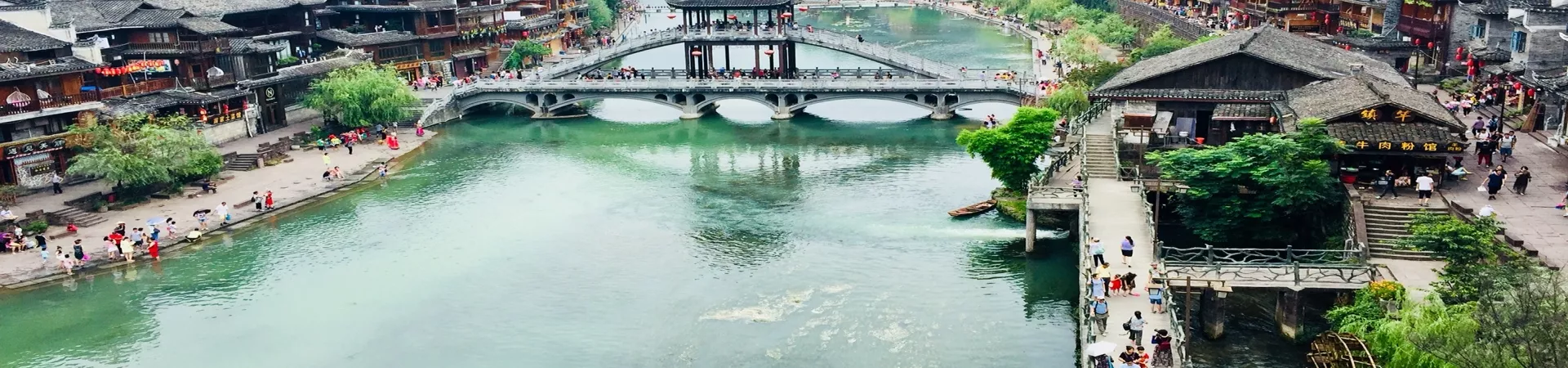
2.1. Architecture and Ambiance: A Walk Through History The essence of Fenghuang is best absorbed on foot, meandering through its labyrinthine network of ancient streets. The town is a masterpiece of traditional design, characterized by its dark-blue slate streets, weathered by centuries of footsteps, and its iconic stilted houses (吊脚楼, Diàojǐaolóu) that precariously yet gracefully cling to the banks of the Tuo River. These wooden structures, supported by wooden pillars rising from the water, create a breathtaking reflection on the river's surface, especially when illuminated by the soft glow of red lanterns at dusk. Beyond the riverside, the town is dotted with elegant courtyard homes, ancestral temples, and well-fortified city gates and walls, speaking volumes of its historical significance as a frontier town.
2.2. The Lifeblood: The Tuo River and Its Rhythms The Tuo River is the soul of Fenghuang, dividing the town and giving it life. A boat ride along the Tuo River is an indispensable activity, offering a tranquil perspective of the stilted houses, ancient washing stones, and the iconic Hongqiao Wind-Rain Bridge (虹桥) from the water. As day turns to night, the "Tuojiang Night Tour" transforms the scene into a magical spectacle. The buildings, bridges, and boats are adorned with lights, their colors shimmering on the dark water, while the sounds of traditional music and occasional folk songs from the banks fill the air. For a more active engagement, visitors can walk along the river's edge, cross its stepping stones, or simply find a quiet spot in a riverside tea house to observe the daily life of locals.
2.3. Cultural and Literary Heritage Fenghuang's charm is deeply intertwined with its cultural roots. It is the birthplace of Shen Congwen (1902-1988), one of modern China's most celebrated writers. A visit to Shen Congwen's Former Residence offers an intimate glimpse into the life of the author whose poignant stories, like Border Town, immortalized the landscape and spirit of this region. Another notable figure is Xiong Xiling, the first Premier of the Republic of China, whose former residence is also open to the public. The town's vibrant Miao and Tujia ethnic culture is palpable. Visitors may encounter locals in traditional dress, hear the unique melodies of their music, and have the opportunity to purchase intricate silver jewelry, batik textiles, and other handicrafts.
3. Key Attractions and Practical Experiences
3.1. The Fenghuang Nine-Scene Ticket A comprehensive way to explore the core historical sites is through the "Fenghuang Nine-Scene" ticket. This includes: * Shen Congwen's Former Residence: The humble abode of the literary giant. * The Ancient Town Museum: Showcasing local history and artifacts. * Chongde Hall: A merchant's mansion reflecting prosperous Qing architecture. * Yang Family Ancestral Temple: An impressive example of traditional clan worship architecture. * East Gate Tower (Dongmen Chenglou): A formidable gate in the ancient city wall. * Hongqiao Wind-Rain Bridge: A covered bridge housing shops and offering superb views. * Wanshou Palace: A historical guild hall with intricate carvings. * Xiong Xiling's Former Residence. * A boat trip on the Tuo River.
3.2. Beyond the Ancient Town For those with more time, several significant attractions lie in the surrounding area: * Southern Great Wall (Nanfang Changcheng): A lesser-known but impressive section of wall built during the Ming dynasty to control local ethnic tribes. * Qiliang Cave (Qiliang Dong): A vast and spectacular karst cave system located a short drive from the town. * 《Bian Cheng》 Grand Forest Real-Scene Show: An unforgettable outdoor theatrical performance based on Shen Congwen's novel Border Town. Set against a natural forest backdrop, it features a large cast, stunning visuals, and music, bringing the local legends and emotions to life.
4. Essential Visitor Information
4.1. Tickets and Fees * Fenghuang Nine-Scene Ticket: Approximately 128 RMB for adults, with discounts for seniors (65+), students, and children. (Note: The ancient town itself has no entrance fee; this ticket is for the specific nine historic sites). * Tuojiang Night Tour Boat: Approximately 168 RMB for adults. * 《Bian Cheng》 Performance: Tickets range from about 130 RMB (student B-zone) to 580 RMB (VIP). * Southern Great Wall & Qiliang Cave: Separate tickets required, typically around 45 RMB and 55 RMB respectively. * Important: Ticket prices and policies are subject to change. It is highly recommended to verify the latest information at official ticket offices or websites upon arrival.
4.2. Getting There and Around * Access: The most common route is to take a high-speed train to Jishou East Station (吉首东站). From there, a taxi or shuttle bus (about 1 hour) will take you to Fenghuang. Alternatively, long-distance buses connect Fenghuang to major cities like Zhangjiajie and Changsha. * Local Transport: The ancient town is a pedestrian zone. The town is walkable, but local taxis or buses (like Bus Line 2 to the "Yushi Shanfang" stop) can be used to reach the periphery or bus stations.
4.3. Suggested Duration and Tips * Recommended Stay: A minimum of 1 full day and 1 night is essential to appreciate both the daytime ambiance and the enchanting night views. A 2-day, 1-night stay is ideal for a more relaxed exploration, including some of the outer attractions. * Best Time to Visit: Spring (April-May) and Autumn (September-October) offer pleasant weather. The town is beautiful year-round, but can be very crowded during national holidays and summer. * Accommodation: Staying in a riverside guesthouse within the ancient town is highly recommended for an authentic experience. Options range from basic inns to boutique hotels, many offering stunning views of the Tuo River from their rooms or balconies. * Cuisine: Don't miss local specialties such as ginger candy, blood duck cakes, and various river fish dishes. Street food stalls and small family-run restaurants offer delicious and affordable options.