Aizhai Bridge
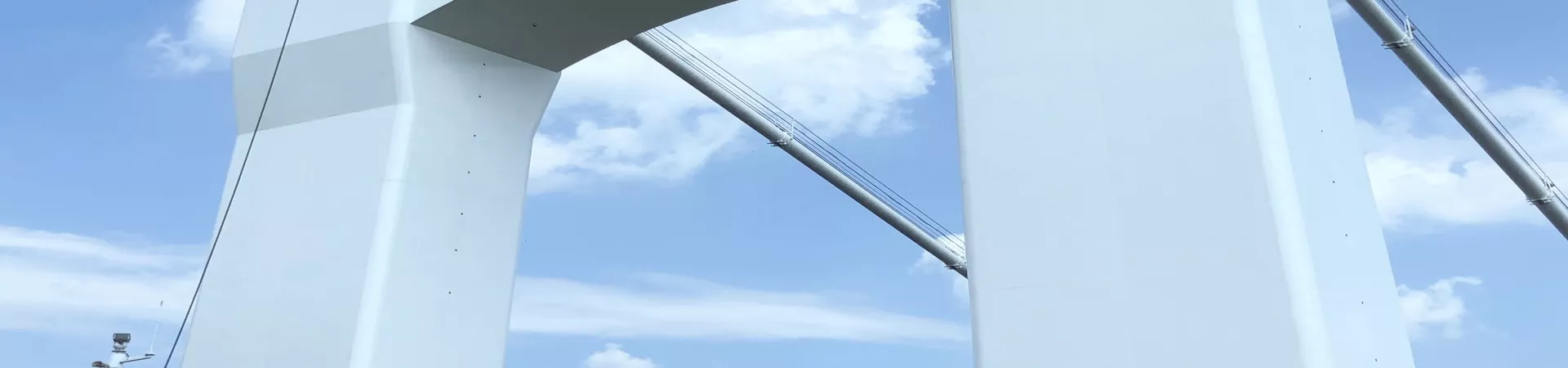
Subtitle: A Marvel of Modern Engineering Amidst Xiangxi's Timeless Landscapes
1. Introduction: Bridging More Than Just a Gorge
Nestled within the dramatic terrain of Xiangxi Tujia and Miao Autonomous Prefecture in Hunan Province, the Aizhai Bridge is far more than a mere river crossing. It stands as a profound symbol of human ingenuity, seamlessly connecting not only two cliffsides but also the ancient culture of western Hunan with the pulse of modern development. Located approximately 20 kilometers from the city center of Jishou, this colossal structure is the centerpiece of the Jishou-Chadong Expressway, a vital segment of the national highway corridor linking Changsha to Chongqing. Its completion transformed travel, turning treacherous mountain journeys into a matter of minutes, and fundamentally reshaped the economic and cultural connectivity between Hunan and Chongqing, and indeed, between central and western China.
2. Engineering Prowess: Defying Gravity and Setting Records
The Aizhai Bridge is a masterpiece of contemporary civil engineering, a single-span steel truss girder suspension bridge that holds an awe-inspiring presence over the Dehang Canyon.
2.1 Design and Structure The bridge serves a dual purpose: its upper deck carries a four-lane highway, while the lower level is designed as a future pedestrian观光通道 (sightseeing passage), offering breathtaking views. With a total length of 1,073.65 meters and a main span of 1,176 meters, it integrates perfectly with the mountainous environment. Its design elegantly addresses the immense challenges posed by the deep gorge, high winds, and complex geology.
2.2 The Four World Firsts What truly sets the Aizhai Bridge apart are the four world records it claimed upon completion: * First: It is the world's longest and highest tunnel-to-tunnel suspension bridge. The bridge is directly anchored into the mountainsides at both ends via tunnels, an innovative solution that eliminated the need for massive, ecologically disruptive anchorages in the fragile gorge slopes. * Second: It pioneered the use of a flexible carbon fiber cable as the main bearing cable during construction, a lighter and stronger material that revolutionized construction techniques for such mega-bridges. * Third: Its construction utilized the "rail sliding method" for the first time on a suspension bridge of this scale. The giant steel truss girders were assembled on one side and then slid along temporary cables to the center, a method that greatly enhanced safety and efficiency in the precarious terrain. * Fourth: It employed the world's first pylon-beam separation structure. The bridge's towers and the main girder are structurally separated, allowing the structure to better withstand seismic activity and thermal expansion, a critical consideration in this region.
3. The Visitor Experience: Panoramic Vistas and Cultural Context
For travelers, the Aizhai Bridge offers an unparalleled experience that combines thrilling vistas with deep cultural immersion.
3.1 The Sightseeing Platform and Walkway While the highway deck is for vehicular traffic, the dedicated观光通道 (sightseeing passage) on the lower level is the main attraction for visitors. Walking across this glass-paneled walkway, suspended nearly 355 meters above the valley floor, is a heart-pounding yet utterly magnificent experience. The 360-degree panoramic views of the winding mountain roads, traditional Miao villages clinging to the hillsides, and the lush, mist-shrouded peaks of the Wuling Mountains are simply unforgettable. It is a unique vantage point to appreciate both the scale of human achievement and the timeless beauty of nature.
3.2 The Surrounding Landscape and Culture The bridge does not exist in isolation. It overlooks the historic "矮寨公路奇观" (Aizhai Highway Wonder), a serpentine road with 13 sharp hairpin turns carved into the mountainside—a testament to the arduous travel of the past. Below, the Dehang Canyon offers hiking trails, waterfalls, and access to authentic Miao and Tujia minority villages. A visit to the bridge is often combined with exploring these cultural treasures, creating a rich contrast between cutting-edge engineering and enduring traditional ways of life.
4. Practical Information for Your Visit
To ensure a smooth and enjoyable trip to this landmark, here are the essential details:
4.1 Ticket Information * Admission Fee: The ticket for the Aizhai Bridge sightseeing area is approximately 115 RMB per person. * Note: This fee typically grants access to the sightseeing walkway, viewing platforms, and the bridge exhibition center. Prices and included amenities are subject to change, so verification upon arrival is advised.
4.2 Opening Hours * The sightseeing area is generally open from 09:00 to 17:30, daily throughout the year. * The last entry is usually one hour before closing. It is recommended to allocate at least 1-2 hours for a thorough visit, including time for photography and absorbing the views.
4.3 Getting There and Best Time to Visit * Transportation: The most convenient way is to drive or hire a car from Jishou City, which takes about 40 minutes. Tourist buses also frequently run from Jishou to the Aizhai scenic area. * Best Time: Spring (April-May) and Autumn (September-October) offer the clearest skies and most comfortable temperatures. Early mornings often provide clearer views before the afternoon mists roll into the canyon, adding a mystical quality but sometimes obscuring vistas. The bridge is an impressive sight in any weather, from brilliant sunshine to when its towers pierce through drifting clouds.