Shaoshan Mao Zedong Memorial Park
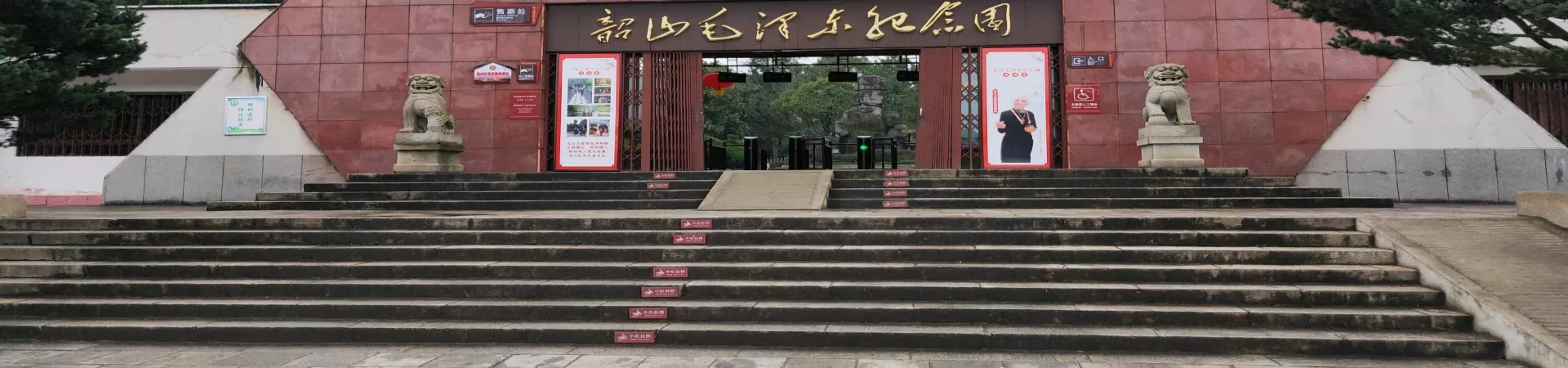
A Visitor's Guide to Shaoshan Mao Zedong Memorial Park
Nestled in the verdant hills of Shaoshan, the birthplace of Mao Zedong, the Mao Zedong Memorial Park stands as a profound and expansive tribute to one of modern China's most pivotal figures. More than just a museum or a single monument, it is a meticulously curated landscape that intertwines natural beauty with historical narrative. Spanning a vast area, the park allows visitors to embark on a journey through symbolic representations of the Chinese revolution, key events in Mao's life, and the spirit of an era. It is a place for reflection, education, and understanding a central chapter in China's national story.
For the international visitor, the park offers a unique lens into the 20th-century history that shaped the nation. The experience is designed to be immersive, encouraging contemplation amidst replicas of significant sites and artistic commemorations. This guide provides essential information and context to help you plan your visit and navigate the park's offerings.
Planning Your Visit: Essential Information
Before delving into the park's contents, practical details are crucial for a smooth experience.
- Suggested Duration: Allocate a minimum of 3 hours for your visit. The park's extensive grounds, featuring numerous exhibits, sculptures, and landscaped areas, are best explored at a leisurely pace. History enthusiasts or those wishing to engage deeply with the displays may easily spend half a day or more.
- Admission Fee: The general admission ticket is priced at 200.00 RMB. It is advisable to check for any potential discounts for students, seniors, or group bookings, and to confirm the accepted payment methods (cash or digital payments like WeChat Pay/Alipay) at the ticket office.
- Operating Hours: The park is open daily from 8:00 AM to 5:00 PM. The last admission is at 4:30 PM. These hours apply throughout the year, from January 1st to December 31st. Arriving earlier in the day is recommended to avoid the largest crowds and to have ample time to explore before closing.
Exploring the Park's Landscape and Themes
The Memorial Park is not arranged as a linear timeline but rather as a thematic and symbolic map. Key areas and features include:
1. The Symbolic Journey: Replicas and Landmarks
A central feature of the park is the presence of scaled-down or artistic reconstructions of sites intrinsically linked to Mao Zedong and the revolutionary movement. You might encounter representations of the Jinggang Mountains, a crucial early base; the Zunyi Conference site, a turning point in Communist Party history; or models of iconic locations like the Yan'an cave dwellings. These are not mere copies but are positioned to create a physical narrative of the Long March and the revolution's progression across China.
2. Sculptural Tributes and Artistic Commemoration
Throughout the pathways and plazas, visitors will find an array of statues and sculptural groups. The most prominent is often a large, dignified statue of Chairman Mao himself, serving as a focal point for reflection and photography. Other sculptures may depict scenes of soldiers, peasants, or workers, embodying the ideals and collective effort of the period. The artistic style is typically socialist realist, intended to inspire and convey strength and optimism.
3. Integration with the Natural Environment
The park's design consciously incorporates the lush, rolling landscape of Shaoshan. Man-made lakes, traditional pavilions, and winding paths connect the historical exhibits, offering serene spots for rest. This blending of nature and history is intentional, suggesting a harmony between the revolutionary legacy and the Chinese land itself. The natural beauty provides a contemplative counterpoint to the historical content.
Context for the International Visitor
For those unfamiliar with Chinese history, a few points of context can enrich the visit:
- The Figure of Mao Zedong: Mao (1893-1976) was the founding father of the People's Republic of China in 1949 and the leader of the Chinese Communist Party for decades. His legacy within China is that of a unifying revolutionary leader and a symbol of national independence and resurgence, though his policies and their consequences are complex and debated by historians worldwide.
- Shaoshan as a Destination: The entire town of Shaoshan is a memorial area. The Memorial Park is one component. Most visitors also tour the Mao Zedong's Former Residence, a preserved farmhouse where he was born and raised, located a short distance away. The two sites complement each other: the former residence offers intimate, personal history, while the Memorial Park presents the grand, national narrative.
- A Site of Domestic Tourism: Be prepared that the park is a major destination for domestic Chinese tourists, including many school groups and elderly pilgrims for whom Mao represents a formative period of their lives. Observing the reverence and engagement of local visitors is itself a significant part of the cultural experience.
Visitor Tips and Recommendations
- Footwear and Comfort: Given the amount of walking on paths and possibly uneven terrain, comfortable shoes are essential.
- Weather Preparedness: The park is largely outdoors. Bring sun protection (hat, sunscreen) in summer, and an umbrella or raincoat in case of showers. Winters can be chilly and damp.
- Sustenance: While there may be small kiosks, it is wise to carry water and perhaps snacks. More substantial dining options are available in the town of Shaoshan proper.
- Cultural Sensitivity: This is a site of national historical importance and personal sentiment for many Chinese. Visitors are expected to behave respectfully, particularly near statues and main memorial structures.
- Guided Tours: Consider the availability of audio guides or human tour guides (some may offer services in English). They can provide invaluable explanation of the symbolism and history behind the various park features, which might otherwise be missed.