Shaoshan Comrade Mao Zedong Memorial Hall
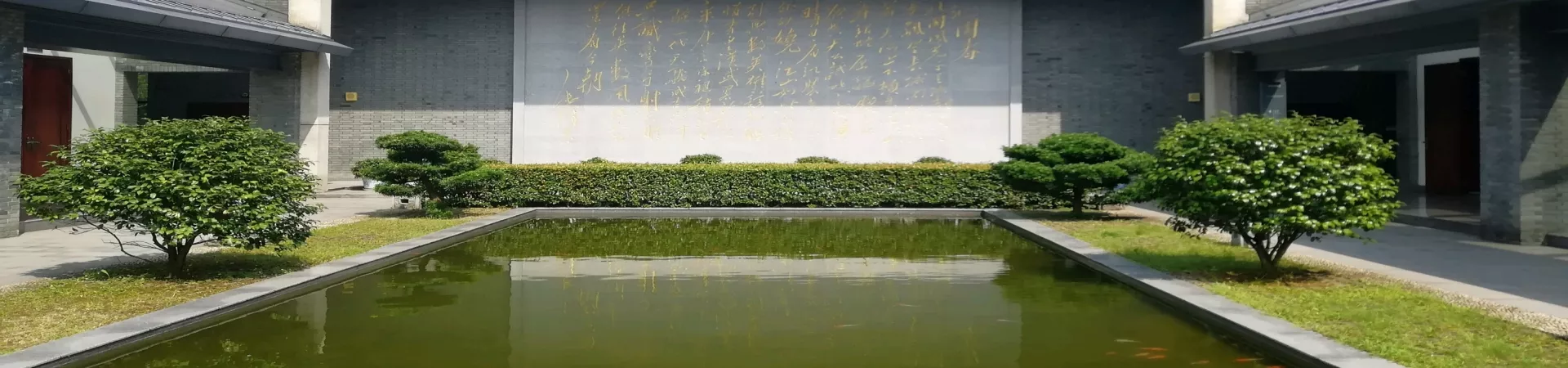
Subtitle: A Journey Through History: Exploring the Shaoshan Mao Zedong Memorial Hall
1. Introduction: A Portal to the Past Nestled in the tranquil and historically rich town of Shaoshan, within the broader prefecture of Xiangtan, Hunan Province, lies a site of profound national significance: the Mao Zedong Memorial Hall. More than just a museum, this institution serves as a comprehensive and deeply respectful chronicle of the life, revolutionary struggles, and enduring legacy of Mao Zedong, a pivotal figure in modern Chinese history. For domestic and international visitors alike, a visit here is not merely a tourist excursion but an immersive educational experience, offering invaluable insights into the personal story of the man and the monumental historical forces he helped to shape. The Memorial Hall stands as a solemn tribute, carefully preserving artifacts, personal effects, and historical narratives that paint a multifaceted portrait of Chairman Mao from his humble rural beginnings to his role as the founding father of the People's Republic of China.
2. Planning Your Visit: Essential Practical Information To ensure a smooth and meaningful visit, it is crucial to be aware of the following practical details regarding access and operations.
2.1. Admission and Ticketing In line with its mission as a public educational resource, admission to the Mao Zedong Memorial Hall is provided free of charge. This policy ensures broad accessibility for all who wish to learn about this chapter of history. Visitors can enter the memorial hall's exhibition areas without purchasing a ticket. However, it is always advisable to confirm this policy upon arrival, as special exhibitions or circumstances could occasionally lead to adjustments.
2.2. Opening Hours and Schedule The Memorial Hall operates on a fixed weekly schedule to accommodate visitors while allowing for necessary maintenance and preservation work. The facility is closed to the public every Monday throughout the year. From Tuesday to Sunday, the doors are open from 9:00 in the morning until 17:00 in the afternoon. It is important to note that the last entry is typically permitted some time before the official closing hour, so planning to arrive well in advance is recommended to allow ample time for a thorough exploration of the extensive exhibits.
2.3. Contact Information For inquiries regarding special arrangements, group visits, or to verify any last-minute changes to the schedule, visitors can contact the Memorial Hall directly. The primary contact telephone number is +86 731 55685157. Speaking with a staff member can provide the most current information and assist in planning.
A Critical Note for Visitors: All information provided regarding opening hours, admission fees, and access is subject to change based on administrative decisions, national holidays, or unforeseen circumstances. The details above are intended as a reliable guide for planning, but visitors are strongly encouraged to verify the specifics directly with the Shaoshan Mao Zedong Memorial Hall on the day of their intended visit or shortly beforehand to ensure the most accurate and up-to-date information.
3. The Museum Experience: A Thematic Exploration The exhibition within the Memorial Hall is meticulously curated, guiding visitors through a chronological and thematic journey. The experience is designed to be both informative and contemplative.
3.1. The Early Years: Roots in Shaoshan The narrative begins where the story itself started: in Shaoshan. This section provides an intimate look at Mao Zedong's childhood and adolescence. Exhibits feature reconstructions of the family home, personal belongings from his youth, and detailed accounts of his early education. It sets the stage by illustrating the rural environment and familial influences that shaped his early worldview, highlighting his burgeoning intellectual curiosity and initial awareness of social inequities.
3.2. The Revolutionary Path: Forging a New China This is the core and most extensive part of the exhibition. It meticulously documents the decades of protracted revolutionary struggle. Through a vast collection of historical photographs, documents, maps, and personal artifacts, the exhibition traces key events: the founding of the Chinese Communist Party, the Long March, the Yan'an period, the war against Japanese aggression, and the final victory in the Chinese Civil War. Multimedia displays and dioramas may be used to vividly convey the scale and hardship of these struggles, focusing on Mao's strategic leadership, writings, and his evolving ideological contributions.
3.3. The Chairman and the Nation: Leadership and Legacy Following the establishment of the People's Republic of China in 1949, the exhibition shifts to Mao's role as the head of state. This section explores the domestic policies and international relations of the early decades of the PRC. It displays state gifts from foreign dignitaries, manuscripts of his speeches and poetry, and materials related to major national initiatives. The presentation aims to showcase his vision for China's modernization and its place on the global stage, acknowledging both the transformative ambitions and the immense complexities of this period.
3.4. Personal Glimpses: The Man Behind the Icon Beyond the political and military leader, the Memorial Hall dedicates space to humanizing Mao Zedong. Exhibits might include his personal wardrobe, items reflecting his hobbies (such as calligraphy brushes or books from his extensive personal library), and photographs with family members, colleagues, and even ordinary citizens. This section adds a crucial dimension, reminding visitors of the individual's habits, tastes, and personal relationships amidst the grand sweep of history.
4. The Broader Context: Shaoshan as a Historical Destination The Memorial Hall is the centerpiece, but a visit to Shaoshan is incomplete without understanding its context. The town itself is a living monument. Key sites intimately connected to the museum experience include Mao Zedong's Birthplace (a preserved rural farmhouse), the Mao Family Ancestral Temple, and the Mao Zedong Bronze Statue Square. These locations, often within walking distance or a short shuttle ride from the Memorial Hall, allow visitors to physically connect with the landscapes of his early life. The natural beauty of the Hunan countryside surrounding Shaoshan—the hills, ponds, and fields—remains largely as it was over a century ago, providing a serene backdrop for reflection on the dramatic historical changes that originated from this quiet corner of China. Integrating a visit to these ancillary sites with the detailed historical narrative inside the Memorial Hall creates a profoundly holistic understanding of how a specific place and person became inextricably linked to the destiny of a nation.