Peng Dehuai Memorial Hall
Subtitle: Exploring the Legacy of a Military Leader in Rural Hunan
1. Introduction to the Site
Nestled at the foot of Shifeng Mountain in Wushi Village, Wushi Town, Xiangtan County, Hunan Province, lies the Peng Dehuai Former Residence and Memorial Hall. This site offers a profound journey into the life of one of China's most celebrated and complex military figures, Marshal Peng Dehuai. More than just a historical monument, it is a place where modern Chinese history intersects with the simplicity of rural life, providing visitors with a nuanced understanding of the man behind the military titles. The location itself, away from major urban centers, invites contemplation and a deeper connection to the personal and political struggles that shaped Peng's career and convictions.
2. The Former Residence: A Glimpse into Simplicity
2.1 Architecture and Historical Context The core of the site is the unassuming former residence, a typical Jiangnan-style farmhouse constructed in 1925. Built with a timber and brick framework and featuring white-washed walls and dark grey tiles, the house faces southeast, adhering to traditional principles. Its modest scale and vernacular architecture stand in stark contrast to the monumental status of its most famous occupant, powerfully symbolizing Peng Dehuai's well-known affinity for the common people and his reputation for plain living. Originally, the house was shared by Peng Dehuai's younger brothers, Jinhua and Ronghua, which led to its local name, "Sanhua Tang" (Hall of the Three Huas).
2.2 A Pivotal Chapter: The 1961 Homecoming The residence holds particular historical significance due to Peng Dehuai's extended stay in 1961. Following the hardships of the Great Leap Forward, Peng, then living in political disfavor, returned to his hometown to conduct firsthand investigations into rural conditions. For 34 days, he resided in this very house, transforming it into an informal hub for dialogue. He met with over 2,000 local cadres and peasants, listening to their experiences and grievances. Within these humble walls, he compiled five detailed investigative reports based on his findings, which he submitted to the Hunan Provincial Committee of the Chinese Communist Party. This courageous act demonstrated his deep concern for the peasantry and his commitment to truth, even at great personal risk. His earlier visit in 1958 adds another layer to the residence's story, marking it as a touchstone throughout his later life.
3. The Memorial Hall: Chronicling a Military Life
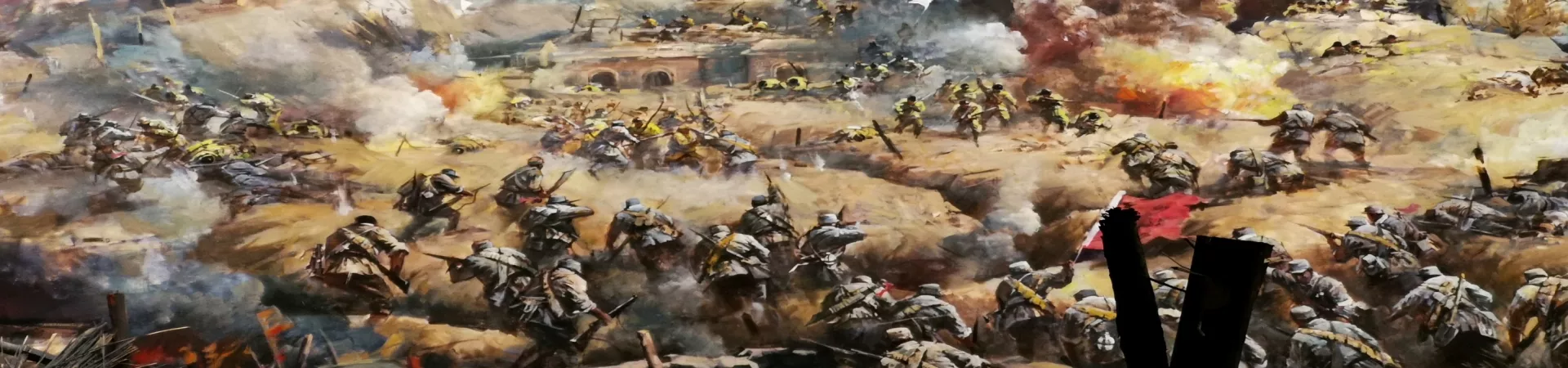
Adjacent to the old farmhouse, the Peng Dehuai Memorial Hall provides a comprehensive and modern narrative of his entire career. Through a curated collection of historical photographs, personal artifacts, military documents, and multimedia displays, the exhibition systematically traces his path from a rebellious youth to a paramount military commander.
3.1 From Hunan to the Korean War The exhibits detail his early life and his pivotal role in the Pingjiang Uprising (1928), which solidified his position in the Red Army. His leadership during the Long March, the Second Sino-Japanese War, and especially the Korean War (where he commanded the Chinese People's Volunteers) is extensively covered. The museum presents both his strategic acumen and the immense sacrifices of the forces he led.
3.2 The Man Beyond the Battles Crucially, the memorial hall does not shy away from the latter part of his life. It thoughtfully addresses his frank criticism of economic policies during the Lushan Conference in 1959, which led to his removal from office, and his subsequent period of political marginalization. This balanced portrayal helps visitors appreciate Peng Dehuai as a figure of immense integrity, moral courage, and unwavering principle, whose legacy is defined by both his wartime victories and his peacetime convictions.
4. Practical Visitor Information
4.1 Location and Accessibility The site is located in Wushi Village, Wushi Town, approximately 40-50 kilometers southwest of Xiangtan city center. Visitors can reach it by bus, taxi, or private car. The rural setting offers a peaceful atmosphere but requires some planning for transportation.
4.2 Admission and Opening Hours Admission to both the Former Residence and the Memorial Hall is free of charge, making it widely accessible to all visitors. The opening hours are as follows: * Tuesday to Sunday: 08:30 - 17:00 (last admission at 16:30). * Monday: The site remains open all day.
It is always advisable to confirm the latest hours before your visit, as schedules can occasionally change for maintenance or official events.
4.3 Experience and Atmosphere A visit here is as much about atmosphere as information. The contrast between the serene, almost timeless countryside, the humble farmhouse, and the formal narrative of the memorial hall creates a powerful, reflective experience. Visitors are encouraged to take their time, absorbing not only the historical facts but also the sense of place that shaped a key figure in 20th-century China. The site serves not merely as a tribute, but as an invitation to reflect on themes of leadership, sacrifice, and the complex relationship between individual principles and historical currents.