Mao Zedong's Poetry Stele Forest
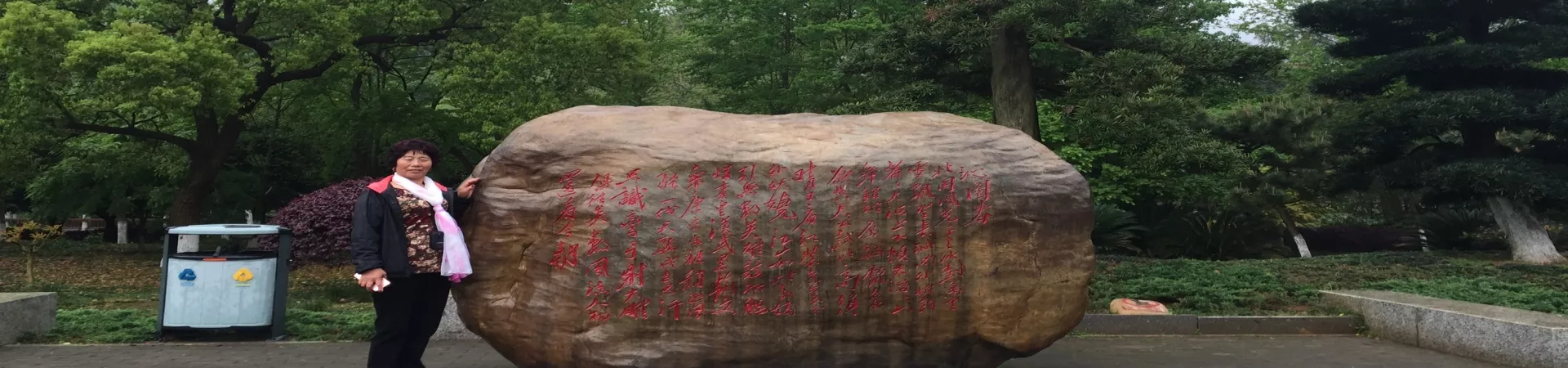
Subtitle: A Journey Through History and Verse: Exploring the Mao Zedong Poetry Stele Forest in Xiangtan
Introduction: Where Stone Meets Soul
Nestled in the verdant landscapes of Xiangtan, Hunan Province—a city forever etched in modern Chinese history as the hometown of Mao Zedong—lies a unique cultural sanctuary that transcends a typical monument. The Mao Zedong Poetry Stele Forest is not merely a collection of carved rocks; it is an open-air museum, a scholarly resource, and a profound artistic experience where the revolutionary spirit of a pivotal era is immortalized in stone and verse. This expansive garden complex is dedicated to preserving and presenting the literary legacy of Chairman Mao, whose poetry, written over decades of revolutionary struggle and nation-building, offers a powerful, personal window into the seismic events that shaped modern China. More than just honoring a political figure, the Stele Forest invites visitors on a contemplative journey to explore the confluence of classical Chinese poetic tradition, dynamic calligraphic art, and monumental 20th-century history.
I. The Concept and Layout: A Harmonious Fusion of Art and Nature
1.1. The Vision Behind the Stones The conception of the Stele Forest was driven by the desire to create a permanent, dignified, and accessible repository for Mao Zedong's poetic works. Unlike static museum displays, the designers envisioned a living space where art and nature engage in a continuous dialogue. The site is meticulously planned to encourage leisurely strolls and quiet reflection, with winding pathways leading visitors through a landscape punctuated by stele of various sizes and formations.
1.2. Architectural and Landscape Design The forest harmoniously integrates traditional Chinese garden aesthetics with a sense of grandeur befitting its subject. Pavilions, kiosks, and tranquil ponds are strategically placed alongside the stone tablets, offering rest points and shifting perspectives. The greenery itself—ancient trees, bamboo groves, and seasonal flowers—softens the imposing nature of the stone, creating a serene atmosphere that enhances the reflective act of reading poetry. The layout is often thematic, grouping poems from similar periods or with related subjects, thereby providing a narrative flow to the visitor's exploration.
II. The Artistic Core: Poetry, Calligraphy, and Stone Carving
2.1. The Poetic Works of Mao Zedong Mao Zedong's poetry stands as a significant component of his intellectual output. His verses masterfully employ classical forms and imagery to express contemporary revolutionary fervor, strategic contemplation, and observations of the natural world. Poems like "Changsha" (1925) reflect on youth and destiny, while "The Long March" (1935) captures the epic scale and hardship of the strategic retreat. Visitors encounter the full spectrum of his work, from early romantic yearnings to triumphant odes written after the founding of the People's Republic.
2.2. A Gallery of Calligraphic Mastery A defining feature of the Stele Forest is the stunning array of calligraphic styles in which the poems are rendered. The tablets feature not just Mao's own distinctive, bold, and free-flowing handwriting, but also the brushwork of hundreds of other celebrated calligraphers, politicians, and scholars from across China and around the world. This transforms the forest into a comprehensive exhibition of 20th-century Chinese calligraphy.
2.2.1. Diversity of Scripts and Styles One can find examples of standard script (Kaishu), running script (Xingshu), cursive script (Caoshu), and clerical script (Lishu), each interpreting the poems with a different aesthetic sensibility and emotional weight. The juxtaposition of these varied styles on similar content invites comparative appreciation of this supreme art form.
2.3. The Craft of Stone Carving The translation of ink on paper into enduring stone is a specialized craft. The stele are typically made from high-quality granite, marble, or other local stones. Master artisans meticulously transcribe the calligraphy onto the stone surface through intricate carving techniques, ensuring every stroke's thickness, taper, and spirit is preserved in three dimensions. The texture of the stone, the depth of the carving, and the play of light and shadow across the characters add a tactile and visual dimension to the literary work.
III. The Visitor Experience: Engagement and Reflection
3.1. An Immersive Educational Encounter For students of history, literature, or art, the Stele Forest is an unparalleled immersive classroom. Each stele is accompanied by informational plaques (often in both Chinese and English) that provide context: the date and circumstances of the poem's composition, an explanation of classical allusions, and notes on the calligrapher. This multi-layered presentation deepens understanding and appreciation.
3.2. A Space for Contemplation The primary mode of engagement here is contemplative. Visitors are encouraged to move slowly, read at their own pace, and absorb the surroundings. The act of tracing the carved characters with one's eyes—or even fingertips—creates a direct, physical connection to the words and the hands that wrote or transcribed them. It is a place for personal interpretation and historical imagination.
3.3. Cultural and Tourist Significance For domestic tourists, the site is a pilgrimage destination of deep patriotic and cultural significance. For international visitors, it offers a nuanced perspective on China's modern history through the lens of its leader's artistic expression, moving beyond purely political narratives. The site's beauty as a garden makes it accessible and enjoyable even for those with a casual interest.
IV. Practical Information for Planning Your Visit
4.1. Location and Accessibility The Mao Zedong Poetry Stele Forest is located within the broader Shaoshan Scenic Area in Xiangtan. Xiangtan is well-connected by high-speed rail and road to major cities like Changsha, the provincial capital, which is approximately an hour's drive away. Local transportation, including buses and taxis, provides easy access to the site.
4.2. Admission and Operating Hours To facilitate access for visitors at their convenience, the Stele Forest maintains generous opening hours. The site is open to the public all day, every day, year-round (from January 1st to December 31st, Monday through Sunday). This "open全天" policy allows for flexible scheduling and the opportunity to experience the atmosphere at different times of the day. The admission fee is set at 17 Chinese Yuan (CNY), making it an exceptionally affordable cultural attraction.
4.3. Visitor Tips and Recommendations * Best Time to Visit: Early mornings or weekdays are ideal for avoiding crowds and enjoying the garden's tranquility. The site has a different charm in different seasons—lush in spring and summer, poetic in autumn, and starkly beautiful in winter. * What to Bring: Comfortable walking shoes are essential. Consider bringing a notebook for reflections, a camera (flash may be restricted near the stones), and a guidebook or translation app if your Chinese is limited, though core information is often bilingual. * Contact Information: For the most current information or specific inquiries, visitors can contact the site management at +86 731 5568 5343.
4.4. Complementary Attractions in Xiangtan A visit to the Stele Forest is most rewarding when combined with other historical sites in Xiangtan, most notably the Shaoshan Village, Mao Zedong's birthplace and childhood home, located nearby. This combination provides a fuller biographical and historical context, linking the personal history of the man with the artistic output celebrated in the Stele Forest. The city of Xiangtan itself offers insights into the regional culture and history of Hunan Province.