Mao Zedong's former Residence
A Journey to the Roots of a Revolution: Visiting the Former Residence of Comrade Mao Zedong
Nestled in the picturesque village of Shaoshan, within the broader prefecture of Xiangtan in China's Hunan province, lies a site of profound historical significance: the Former Residence of Comrade Mao Zedong. More than just a tourist destination, this humble abode serves as a tangible portal into the formative years of the man who would become the principal founder of the People's Republic of China. A visit here is not merely an observation of a historical building but an immersive experience into the environment that shaped one of the most influential figures of the 20th century.
The Architectural Layout and Historical Structure
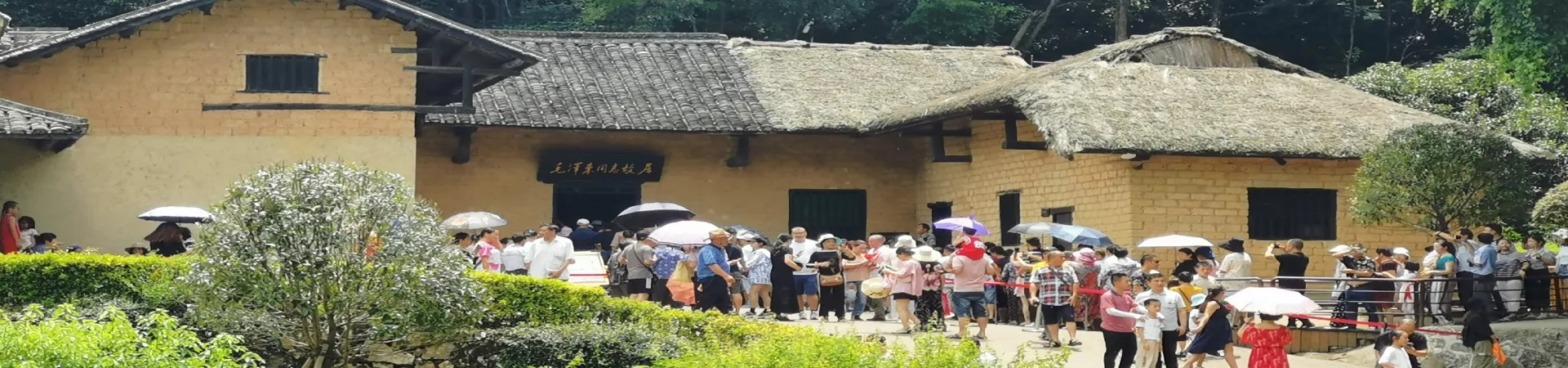
The residence itself is a quintessential example of a rural southern Chinese farmhouse from the late Qing dynasty, constructed from locally sourced earth and timber. Its unassuming appearance belies its monumental place in modern history. The compound is divided into two distinct sections, reflecting the communal nature of village life.
- The Mao Family Quarters: The eastern wing comprises 13 rooms topped with small, dark grey tiles. These rooms constituted the living space for Mao Zedong and his family. Visitors walking through these quarters gain a direct, visceral understanding of the modest material conditions of his upbringing.
- The Neighbor's Quarters: Adjoining the main structure to the west are five thatched-roof rooms, which belonged to a neighboring family. This layout authentically preserves the village's original architectural composition and social fabric.
A poignant modern addition to the structure is the gilded wooden plaque above the central hall's entrance. Inscribed with the words "毛泽东同志故居" (The Former Residence of Comrade Mao Zedong), the calligraphy was personally penned by Deng Xiaoping in 1983, symbolizing the continuity and respect accorded to Mao's legacy by subsequent generations of Chinese leadership.
Exploring the Interior: A Glimpse into Formative Years
Stepping inside the residence, visitors embark on a chronological journey through Mao's early life. The carefully preserved rooms are not staged exhibits but authentic spaces filled with original or period-accurate artifacts.
- The Bedrooms: The tour includes the bedrooms used by Mao during his childhood, adolescence, and young adulthood. The simplicity of the furnishings—a wooden bed, a simple quilt, a modest cabinet—speaks volumes about the rustic environment. It was in these quiet rooms that the young Mao rested and, presumably, began his early contemplations.
- The Study and Kitchen: Particularly evocative spaces include the family kitchen, the heart of the household, and a study area. These spaces underscore the blend of daily rural labor and intellectual pursuit. One can imagine the young Mao balancing household chores with a growing, insatiable appetite for reading, which would later become a defining characteristic of his leadership.
Each artifact, from farming tools to oil lamps, contributes to a narrative of a rural Chinese childhood at the turn of the century, providing essential context for understanding the social realities that later fueled revolutionary ideals.
Expanding the Narrative: The Shaoshan Mao Zedong Memorial Museum
Recognizing the need to contextualize the residence within the broader scope of Mao's life and the Chinese revolution, a dedicated exhibition hall was constructed approximately one kilometer from the故居 in 1964. This facility was later expanded and renamed the Shaoshan Mao Zedong Memorial Museum.
- A Curated Historical Journey: The museum serves as an essential complement to the residence visit. Its exhibits are organized thematically and chronologically, guiding visitors through Mao's revolutionary activities, political theories, and state leadership.
- Collection of Artifacts and Photographs: The museum houses an extensive and carefully curated collection of historical photographs, personal letters, manuscripts, and various artifacts used by Mao throughout different periods of his life. These items, ranging from his iconic worn-out leather chairs to annotated books and wartime dispatches, offer a more comprehensive portrait of the man beyond his Shaoshan origins.
- Educational Context: For international visitors, the museum provides valuable historical framing, helping to connect the personal story of the young man from Shaoshan with the monumental national events that followed.
Practical Information for Visitors
A smooth visit requires some practical planning. The site is managed to accommodate a large number of pilgrims and tourists while preserving its dignity and order.
- Admission and Tickets: Admission to both the Former Residence and the Memorial Museum is free of charge. However, visitors are required to obtain an entry ticket. It is mandatory to present a valid original identity document (passport for foreign visitors) at the designated ticket office to receive these timed entry tickets, which help manage daily visitor flow.
- Operating Hours: The complex is open daily from 8:00 AM to 4:00 PM, with the last admission granted at 3:50 PM. These hours are consistent throughout the year, with no closure on weekends, though visitors should be prepared for larger crowds on Chinese public holidays and weekends.
- Suggested Duration: To fully appreciate both the Former Residence and the Memorial Museum without rush, a visit of approximately 2 to 3 hours is recommended. This allows sufficient time for contemplation at the residence, a thorough walkthrough of the museum exhibits, and the short commute between the two sites.
- Contact: For the most current information, especially regarding any unexpected closures or special arrangements, visitors can contact the site management at 0731-55681161.
In conclusion, a visit to the Shaoshan Former Residence of Mao Zedong is a multifaceted experience. It begins with an intimate encounter with the pastoral origins of a global historical figure within the walls of his childhood home and expands into a broader educational exploration of his life and impact at the adjacent museum. It stands as a pivotal site for understanding a crucial chapter in modern Chinese history, from the ground up.