Wuzhou Zhongshan Park
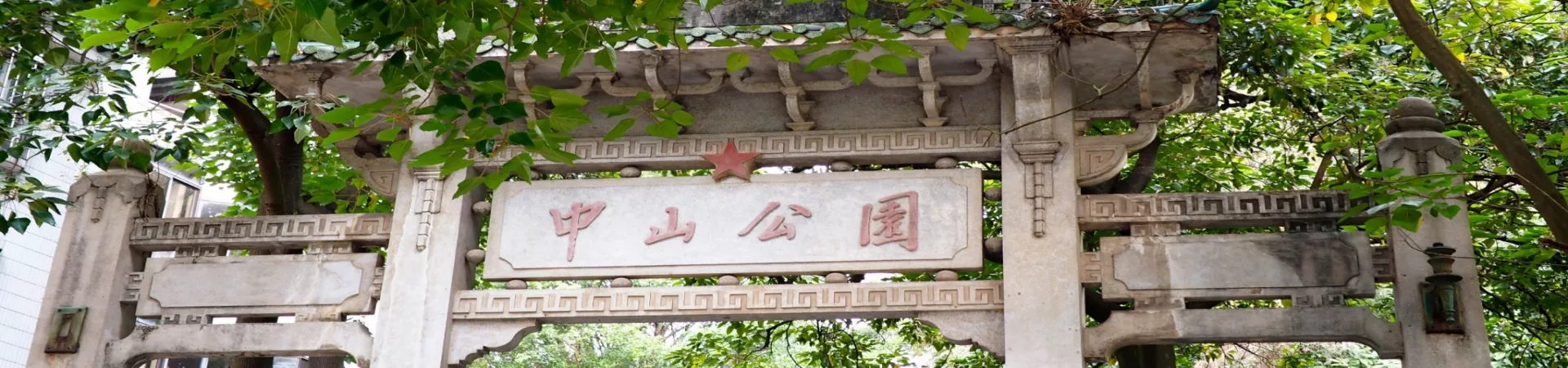
Subtitle: A Historical and Natural Haven in Wuzhou, China
Introduction Nestled against the gentle slopes of a hillside in Wuzhou, Guangxi, Wuzhou Sun Yat-sen Park (梧州中山公园) stands as a profound testament to both natural beauty and pivotal moments in modern Chinese history. Encompassing a vast area of 125 hectares, the park masterfully blends meticulously curated landscapes with deep historical significance. It is far more than a simple urban green space; it is a place of remembrance, reverence, and quiet reflection. Visitors are invited to wander through its serene pathways, where the whispers of the past are harmoniously intertwined with the tranquil sights and sounds of the present. This guide delves into the park's layered attractions, from its poignant memorials to its status as home to one of China's earliest monuments to Dr. Sun Yat-sen.
Natural Landscape and Layout A Tapestry of Greenery The park's design is a classic example of integrating architecture with the natural terrain. Built along the contours of the hill, it offers visitors a gently immersive experience as they ascend. The landscape is characterized by lush, verdant forests where ancient trees cast dappled shadows on the ground below. Expansive, neatly manicured lawns provide open spaces for relaxation and leisure, creating a striking contrast with the dense woodland areas.
Paths and Vistas A network of winding, secluded paths meanders through the park, truly embodying the Chinese aesthetic principle of "曲径通幽" (qū jìng tōng yōu), where a winding path leads to a secluded, tranquil spot. These trails connect the various gardens, pavilions, and historical sites, ensuring that each turn reveals a new, harmonious vista. The careful landscaping ensures that man-made structures, from memorial halls to simple benches, appear as natural extensions of the environment rather than intrusions upon it. The overall atmosphere is one of peaceful seclusion, offering a welcome escape from the urban bustle.
Historical Significance and Memorials The Story of Wei Baqun Perhaps the most somber and historically significant chapter of the park's story is its connection to Wei Baqun (韦拔群, 1894–1932), a principal leader of the Right River Farmers' Movement during the Chinese Revolutionary Civil War. After his assassination, his head was preserved and publicly displayed by opposing forces as a warning. In a secret act of defiance and respect, it was later clandestinely buried within the grounds of what is now Wuzhou Sun Yat-sen Park.
Discovery and the Wei Baqun Memorial Hall For decades, the exact location remained unknown until December 13, 1961, when researchers from the Wuzhou Museum made a solemn discovery: they unearthed Wei Baqun's skull near the Mingxiu Park gate within the中山公园 boundaries. To honor his sacrifice and legacy, the Wei Baqun Martyr Memorial Hall was subsequently established near the excavation site. This hall serves as a crucial site for historical education, preserving artifacts, photographs, and documents that detail his life, the farmers' movement, and this tragic episode. It stands as a powerful reminder of the costs of revolution and the enduring spirit of its heroes.
The Sun Yat-sen Memorial Hall An Architectural and Historical Landmark Crowning the summit of the park's hill is the park's namesake and centerpiece: the Wuzhou Sun Yat-sen Memorial Hall. This hall holds a distinguished place in Chinese history as the second-earliest memorial hall built nationwide to commemorate Dr. Sun Yat-sen, the founding father of modern China. Its construction date signifies the deep respect and rapid spread of Sun Yat-sen's ideology following his passing.
Design and Purpose The hall's architecture typically reflects a blend of traditional Chinese and Western styles, symbolic of the era's transitional spirit that Sun Yat-sen championed. Inside, exhibitions are dedicated to Sun Yat-sen's life, his Three Principles of the People (三民主义), and his profound influence on the nation's development. The hall is not merely a museum; it is an active site for commemorative ceremonies and patriotic education. Its elevated position offers not only a place for contemplation but also commanding panoramic views of the park and parts of Wuzhou city below.
Practical Visitor Information Location and Transportation Wuzhou Sun Yat-sen Park is located in the urban area of Wuzhou. The most convenient access is from the Hexi district. Visitors can take public bus routes 2 or 3 and alight at the "Square" (广场) stop. From there, a short walk northward, involving an ascent up a modest hillside slope, leads directly to the park entrance.
Operating Hours The park is open to the public daily throughout the year. * Opening Hours: 7:00 AM to 6:30 PM * Days: Monday through Sunday * Note: These hours apply consistently from January 1st to December 31st. It is always advisable to confirm times locally, especially during public holidays, though changes are rare.
Admission Details As is common with many public parks and memorial sites in China, the general access to Wuzhou Sun Yat-sen Park may be free of charge. However, there might be separate, minimal fees for entering specific indoor exhibitions such as the Wei Baqun Martyr Memorial Hall or the Sun Yat-sen Memorial Hall. For the most accurate and current information regarding ticket prices for these specific attractions, visitors are encouraged to consult directly with the park's management or information office upon arrival.
Suggested Duration of Visit To fully appreciate the park's historical sites, explore its gardens, and ascend to the summit at a leisurely pace, a visit of approximately 1 to 3 hours is recommended. This allows sufficient time to engage with the exhibits in the memorial halls, enjoy the natural scenery, and absorb the serene and reflective atmosphere of this unique urban sanctuary.