Wuzhou Museum
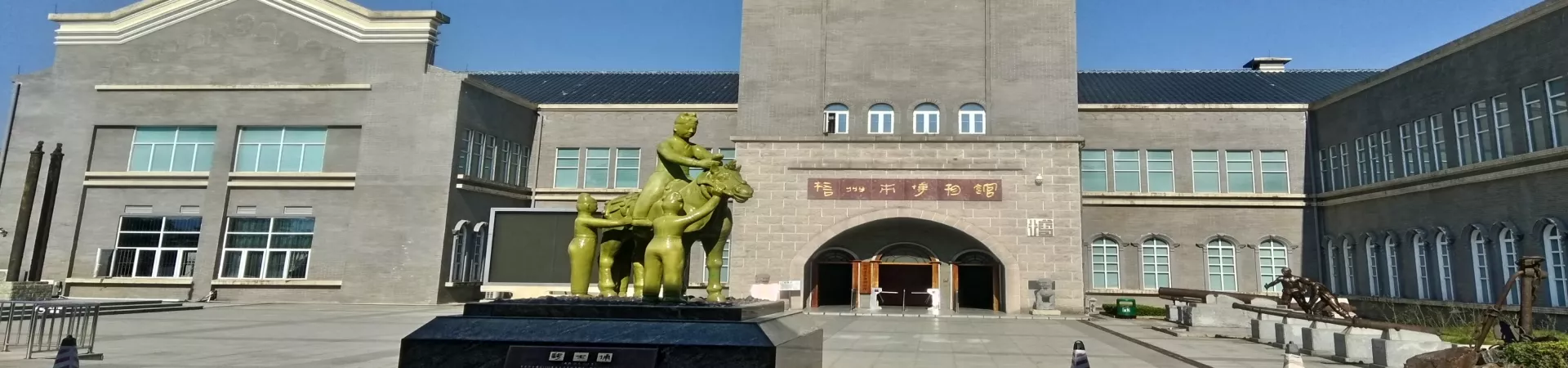
Subtitle: A Journey Through Millennia: Unveiling Wuzhou's Heritage at the Wuzhou City Museum
I. An Architectural and Cultural Landmark Nestled within the urban landscape of Wuzhou, Guangxi, the Wuzhou City Museum stands as a dedicated guardian of the region's rich historical and cultural legacy. The museum's structure itself, a six-story building covering a footprint of 431 square meters, houses a significant collection that draws visitors into a deep exploration of the area's past. Within its walls, three distinct exhibition halls are thoughtfully curated to display a vast repository of nearly ten thousand artifacts. These objects, spanning an impressive chronological range from the Warring States period (475-221 BC) through to the Ming (1368-1644 AD) and Qing (1644-1912 AD) dynasties, form a tangible narrative of Wuzhou's evolution. The museum serves not merely as a storage facility for antiquities but as a vibrant educational portal, offering insights into the technological advancements, artistic expressions, and daily lives of the civilizations that have flourished in this part of China.
II. A Glimpse into the Collection: Treasures Across Dynasties The core strength of the museum's collection lies in its diverse array of excavated relics, with a particularly rich assemblage dating from the Han (206 BC-220 AD) to Jin (266-420 AD) periods. These artifacts provide an invaluable window into the socio-cultural milieu of their times.
1. Metalwork: From Ritual to Daily Use The collection of metal objects is both extensive and revealing. Bronze and iron artifacts demonstrate the metallurgical skills of ancient craftsmen. Among the notable highlights is an Eastern Han Dynasty Copper Ruler, a rare find that offers a standard measurement from the period. Elaborate bronze cases and granaries further illustrate the sophistication of Han-era craftsmanship and their concepts of wealth and afterlife. The museum also sheds light on economic history through relics from the Northern Song Dynasty Yuanfeng Coin Mint, showcasing the scale and organization of official currency production during one of China's most prosperous eras.
2. Ceramics: The Evolution of Form and Glaze The ceramic collection traces the development of one of China's most iconic art forms. A significant piece is the pottery fu (cauldron) from the Fuminfang Western Han Kiln site, representing early local pottery-making traditions. The progression in technique and aesthetics is evident in later pieces such as the exquisite Western Jin Dynasty celadon chicken-head ewer, a graceful vessel characteristic of the period's greenware. The Southern Dynasty celadon equestrian figurine captures a dynamic moment in time, reflecting both artistic skill and the cultural importance of the horse.
3. Other Significant Artifacts The museum's holdings extend beyond metal and ceramics to include finely worked jade and stone implements, as well as gold and copper items. A notable later-period collection comes from the tomb of the Ming Dynasty Prince of Gui, offering a glimpse into the opulent burial customs and material culture of Ming nobility. Each category of artifact, from ritual objects to everyday utensils, contributes to a multifaceted understanding of historical Wuzhou.
III. Practical Information for Visitors To ensure a smooth and enriching visit, the following practical details are essential for planning your trip to the Wuzhou City Museum.
1. Opening Hours The museum operates on a schedule that varies slightly by day: * Tuesday to Friday: The museum is open in two sessions: 09:00 - 11:30 (morning session) and 14:30 - 17:00 (afternoon session). The last admission is at 11:00 and 16:30 respectively. * Saturday and Sunday: The museum is open all day from 09:00 to 17:00, with the last admission at 16:30. * Monday: The museum is typically closed to the public.
2. Transportation and Location The museum is accessible by public transportation. Visitors can take bus numbers 19 or 28 from the Hedong commercial center, a major hub in Wuzhou, and alight at the stop serving the museum. This makes it a convenient destination for both local and out-of-town guests.
3. Suggested Duration of Visit To fully appreciate the breadth and depth of the exhibitions without rushing, it is recommended that visitors allocate approximately 1 to 3 hours for their museum tour. This allows sufficient time to engage with the major artifacts and thematic displays across the three exhibition halls.
Information last updated: August 2, 2023.