Wuzhou Dragon Mother Culture Scenic Area
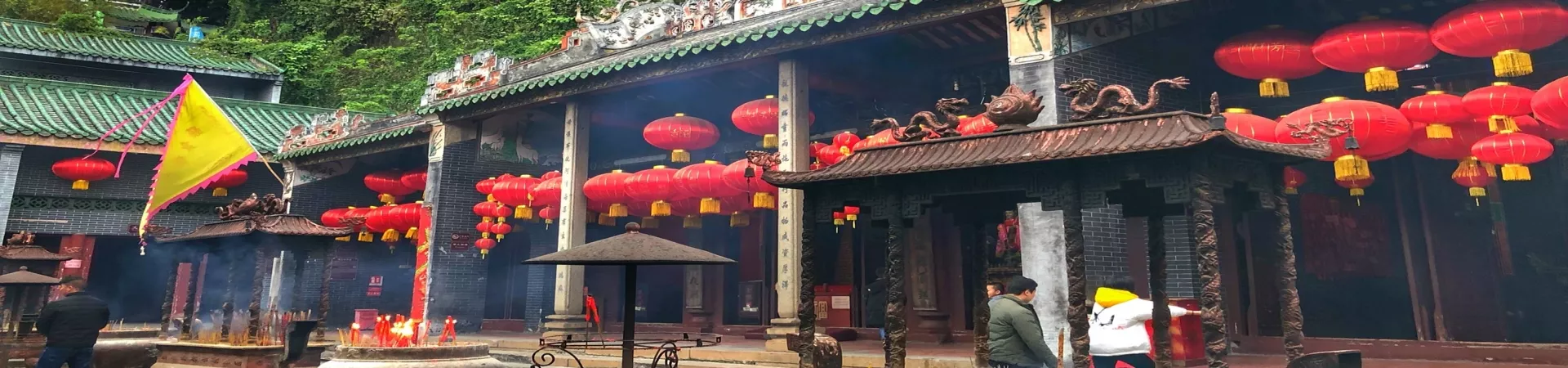
Subtitle: A Journey Through Time and Faith at Wuzhou's Ancient Dragon Mother Temple
1. Introduction: A Living Relic of Song Dynasty Heritage
Nestled within the Wuzhou Dragon Mother Cultural Scenic Area in China's Guangxi region lies a historical and spiritual treasure: the Wuzhou Dragon Mother Temple. This sacred site is not merely a temple; it is a profound cultural artifact, a rare and well-preserved example of architectural style from the Song Dynasty (960-1279 AD). While its foundations were first laid in the early Northern Song period, the temple has been meticulously restored and maintained through significant renovations during the Ming Dynasty's Wanli era and the Qing Dynasty's Kangxi and Yongzheng reigns. This continuous care over centuries has allowed it to retain its authentic historical character, making it an invaluable destination for both history enthusiasts and spiritual seekers. Its significance extends beyond architecture, offering a deep dive into the enduring local folk beliefs centered on the benevolent Dragon Mother.
2. Architectural Layout and Spiritual Atmosphere
2.1. Strategic Location and Overall Structure The temple complex masterfully utilizes its natural surroundings, adhering to the classic Chinese principle of "nestling against mountains and facing water." Covering an expansive area of over 5,000 square meters, the layout is both harmonious and symbolic. Visitors progress through a series of structures that guide them deeper into the spiritual heart of the site. The journey typically begins at the ceremonial entrance gate or Pailou (memorial archway), leading through the Front Hall, the Main Hall, the Rear Chambers, and the Dragon Mother's Travel Palace (Xinggong). Additional features like the Tortoise Pond and commemorative spaces are integrated throughout, creating a comprehensive spiritual enclave.
2.2. The Central Axis: Halls of Reverence The core of the temple lies along its central axis, dominated by the magnificent and solemn Main Hall. This hall is a feast for the eyes, adorned with intricate carvings and painted beams that exemplify traditional craftsmanship. At its center resides the revered statue of the Dragon Mother, the focal point of devotion. This hall is perpetually alive with activity, as devotees and visitors alike offer prayers and incense throughout the year, seeking the Dragon Mother's blessings for good fortune, protection, and peace. The air is consistently fragrant with sandalwood, and the atmosphere is one of quiet reverence.
Flanking the main deity, the halls to the left and right house other important figures. The Left Hall is dedicated to the Dragon Prince (Long Taizi), often depicted as the Dragon Mother's son or a key divine attendant. The Right Hall honors the statue of General Fu (Fu Da Jiangjun), a loyal guardian figure in the Dragon Mother legend. This arrangement reflects a complete celestial court presided over by the Dragon Mother.
2.3. Artistic and Historical Displays Behind the Main Hall, the Central Chamber serves as a gallery of myth and history. Here, visitors encounter a large, striking bas-relief that vividly depicts the legendary scene of the Dragon Mother's journey to the capital. This artwork is crucial for understanding her stories and her esteemed status in imperial culture.
The Rear Chambers offer a more intimate glimpse into the divine narrative. Displayed here are the recreated Dragon Mother's Bed and the Dragon Prince's Bed. These artifacts, while symbolic, personalize the legends, allowing visitors to connect with the mythical figures on a human level and imagine the stories of their celestial lives.
3. Practical Visitor Information
3.1. Admission and Operating Hours To facilitate a smooth visit, please note the following practical details. The temple operates daily from 09:00 to 17:00, with last admissions at 17:00. It is advisable to plan your arrival with sufficient time to explore the complex at a leisurely pace.
A standard admission fee is charged for entry. General Admission Ticket: Approximately 28 RMB. This fee contributes to the preservation and maintenance of this ancient site. Please be aware that opening hours and ticket prices are subject to change. It is always recommended to verify the latest information through official channels before your visit.
3.2. Suggested Duration and Facilities A comprehensive visit to the Dragon Mother Temple typically requires 1 to 3 hours. This allows adequate time to appreciate the architecture, observe or participate in worship rituals, contemplate the artistic details, and absorb the serene ambiance of the grounds.
The temple complex also includes auxiliary facilities. The Dragon Mother's Travel Palace, located to the right of the Main Hall, historically functioned as a reception space. Furthermore, designated commercial areas or shops are available on-site, where visitors can purchase incense, souvenirs, and local crafts related to the Dragon Mother culture.
4. The Cultural Significance of the Dragon Mother
The temple's enduring vitality stems from the deep-rooted Dragon Mother Culture prevalent in the Xijiang River basin, especially in Wuzhou, which is considered her birthplace. The Dragon Mother is worshipped not as a remote deity, but as a compassionate, maternal figure who embodies virtues of kindness, protection against floods and disasters, and the granting of fertility and prosperity. Her worship represents a unique blend of ancient totemism (dragon worship), ancestor veneration, and water deity beliefs. The Wuzhou Dragon Mother Temple stands as the most central and authoritative site for this folk religion. Annual festivals, particularly around the Dragon Mother's birthday, transform the area into a hub of vibrant celebration, drawing tens of thousands of pilgrims. Thus, a visit here is more than sightseeing; it is an immersive experience into a living cultural tradition that has shaped the local identity for over a millennium.