Weixin Village
Subtitle: A Journey Through Time in Wuzhou's Historic Heart
1. Introduction: The Gateway to Wuzhou's Soul Nestled on the eastern bank of the majestic Xi River (Xijiang) in Guangxi, the ancient district of Weixini (Weixinli) stands as the living, breathing origin point of the city of Wuzhou. More than just a historical site, it is a vibrant, densely woven tapestry of lanes, architecture, and daily life that chronicles over a century of Wuzhou's commercial prosperity and cultural fusion. As the oldest surviving urban quarter in Wuzhou, Weixini was the nucleus from which the entire city gradually expanded. For the modern visitor, a stroll through its labyrinthine alleys is not merely sightseeing; it is an immersive step back into the late Qing Dynasty and Republican era, where the echoes of merchant guilds, the whispers of river trade, and the resilient spirit of a community are palpably preserved in the weathered bricks and bustling morning markets.
2. The Historical and Architectural Tapestry 2.1. Origins and Commercial Heyday Weixini's story is intrinsically linked to the Xi River, a vital artery of the "Southern Silk Road" and one of China's most important inland waterways. Its development surged in the late 19th century, particularly after Wuzhou was opened as a treaty port in 1897. The district became the preferred settlement for wealthy merchants, compradors, and overseas Chinese returning with fortunes made abroad. They invested in land and constructed elaborate residences and commercial buildings, transforming Weixini into the most prosperous and fashionable address in Wuzhou, a hub of finance, trade, and high society.
2.2. Architectural Styles: A Fusion of East and West The most striking feature of Weixini is its unique architectural landscape, a harmonious and eclectic blend of styles that visually narrates its history of openness and exchange. * Qilou (Arcade Buildings): The dominant architectural form here is the "Qilou." These are continuous rows of two to four-story buildings with characteristic arcades or covered walkways on the ground floor, supported by pillars. This ingenious design provides shelter from both the intense sun and frequent rain, allowing commercial activities to thrive regardless of the weather. The pedestrian-friendly arcades create a unique streetscape perfect for leisurely exploration. * Sino-Western Fusion Facades: Above the functional arcades, the building facades tell a story of cultural dialogue. While the basic structure follows traditional Cantonese layout, the decorative elements are a fascinating hybrid. You will find distinctively Western features such as Romanesque arches, Baroque-style curvaceous gables, Ionic or Corinthian column capitals, and intricate stained-glass windows. These are seamlessly integrated with traditional Chinese motifs like lucky characters (福, 壽), floral patterns, and grey-brick reliefs. This style, often referred to as "Qiao Xiang" (Overseas Chinese Village) architecture, reflects the owners' exposure to and appreciation for Western trends, which they adapted to showcase their status and modern outlook.
2.3. Notable Structures and Streets While the entire district is an open-air museum, certain spots hold particular significance: * The Network of Alleys: The soul of Weixini lies in its narrow lanes like Daxin Road, Sifangjing, and Guihua Road. Their uneven stone slabs, moss-covered walls, and tightly packed buildings evoke a powerful sense of history. * Former Residences and Guildhalls: Scattered throughout are well-preserved former homes of prominent merchants and various guildhalls (会馆). These larger compounds often feature interior courtyards (天井), wooden screen carvings, and more spacious layouts, offering a glimpse into the domestic and professional lives of the elite. * Religious and Community Sites: Historic temples and churches within the district, such as the Catholic Church built in the early 20th century, underscore the community's diverse cultural and religious influences.
3. The Living Culture and Daily Rhythm 3.1. A Community in Residence Unlike some historical areas that become mere tourist shells, Weixini remains a vibrant residential community. This is its greatest charm. Life unfolds authentically here: residents chat in doorways, play chess under the arcades, hang laundry from upstairs windows, and cook meals in shared kitchens. The sound of Cantonese opera drifting from a radio, the aroma of home-cooked food, and the sight of children playing in the alleys are integral parts of the experience. Visitors are not just observers but temporary guests in a living neighborhood.
3.2. Culinary and Artisanal Heritage The district is also a haven for traditional tastes and crafts. * Local Delicacies: Small, family-run eateries and street vendors offer authentic Wuzhou and Cantonese snacks. Specialties like Wuzhou He Fen (a type of rice noodle), various zhou (congees), and traditional pastries can be found in unassuming shops, promising a feast for the senses. * Traditional Workshops: Look closely, and you may find small workshops where artisans practice time-honored crafts, such as bamboo weaving, traditional barbering, or watch repair, continuing trades that have served the community for generations.
4. Preservation, Challenges, and the Visitor's Experience 4.1. Conservation Efforts and Modern Realities Recognizing its immense value, Weixini has been designated a key historical and cultural conservation district. Efforts are ongoing to restore and maintain the structural integrity of the Qilou buildings while improving basic living conditions for residents. This balance is delicate—the area faces challenges common to historic urban cores: aging infrastructure, the need for modern amenities, and the pressures of urban development. The conservation philosophy here increasingly emphasizes "living preservation," aiming to protect both the physical fabric and the social vitality of the community.
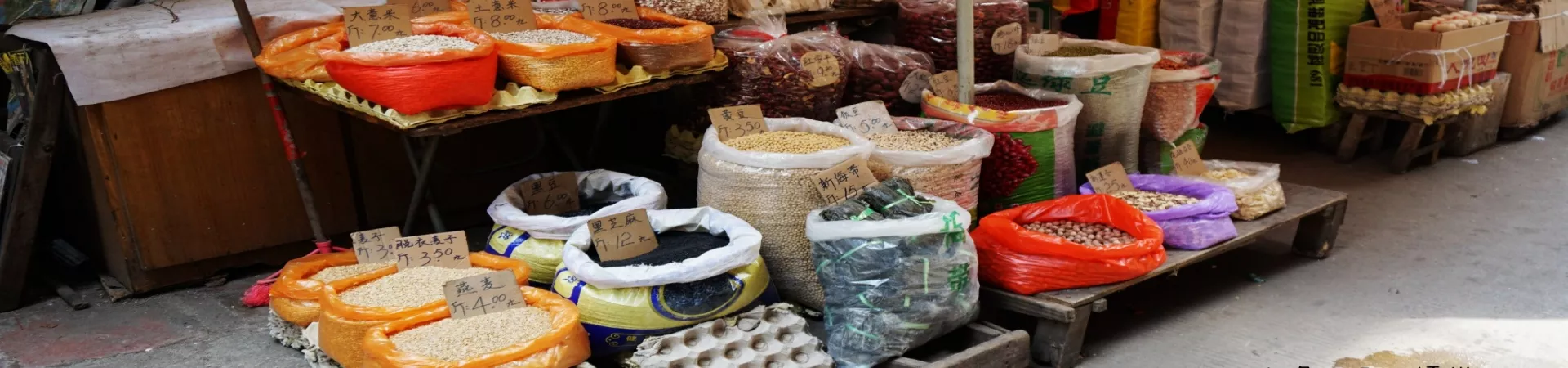
4.2. Tips for the Thoughtful Traveler To fully appreciate Weixini, a mindful approach is recommended. * Explore on Foot and Get Lost: Abandon the map for a while. The true magic lies in wandering the side alleys, observing details, and stumbling upon unexpected scenes of daily life. * Engage Respectfully: Remember this is a home for many. Be respectful with photography, maintain a quiet demeanor, and support local businesses by purchasing a snack or a drink. * Timing Your Visit: Mornings are particularly lively with market activity. Late afternoons cast beautiful golden light on the old facades, perfect for photography. The arcades make exploration comfortable even on drizzly days. * Contextual Understanding: Learning a few basic facts about Wuzhou's history as a treaty port and the Returned Overseas Chinese will deeply enrich your interpretation of the architecture and the district's story.
In essence, Weixini is a palimpsest of Wuzhou's history. Its buildings, streets, and the rhythm of life within them form a continuous narrative from its mercantile golden age to its present-day status as a cherished cultural anchor. It offers a profound, unvarnished, and deeply human connection to the past, making it an indispensable destination for any traveler seeking to understand the heart and soul of this ancient river port city.