Shengwen Garden
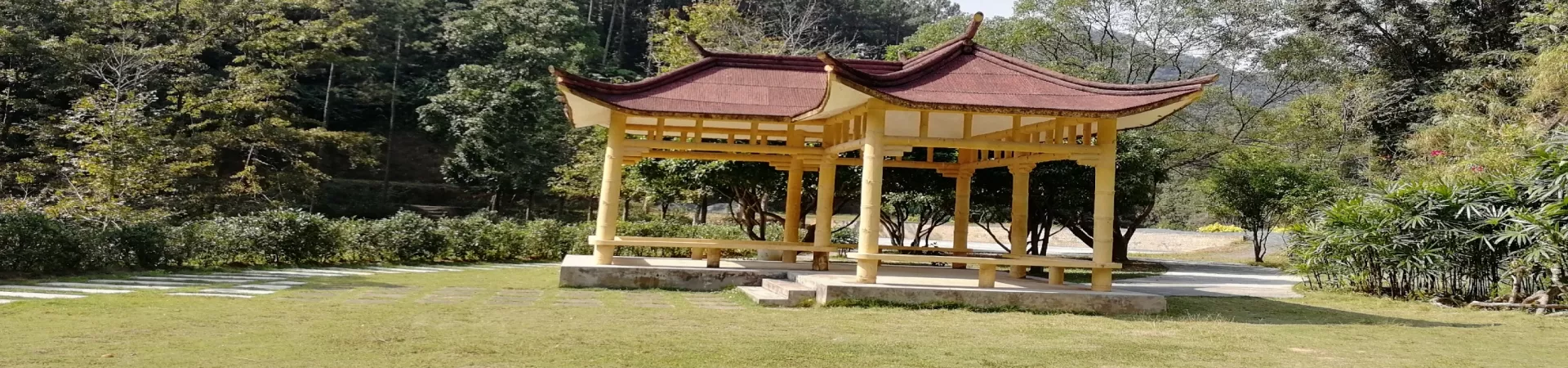
Subtitle: A Botanical Sanctuary Where the Tropic of Cancer Meets Ancient Forests
Introduction: A Rare Urban Oasis
Nestled on the outskirts of Wuzhou City, Guangxi, Shengwen Garden (圣文园) stands as a breathtaking ecological marvel, defying the common expectation that such pristine natural havens exist only in remote wilderness. What makes it extraordinary is its proximity to urban life, coupled with an almost untouched, luxuriant environment. Experts from the Netherlands, Japan, China's Suzhou, the University of Science and Technology of China, and the Guangxi Tourism Bureau have unanimously noted that finding a botanical treasure of this caliber so close to a city center is exceptionally rare on a global scale. The garden offers a profound journey through time and biodiversity, centered around one unique geographical fact: the Tropic of Cancer (23.5° north latitude) runs directly through its heart.
The Tropic of Cancer: A Climatic Architect
A Unique Microclimate This invisible latitudinal line is far more than a cartographic curiosity; it is the chief architect of the garden's unique ecosystem. The Tropic of Cancer demarcates the northernmost point where the sun can appear directly overhead, bestowing Shengwen Garden with a distinctive subtropical climate characterized by abundant rainfall, high humidity, and warm temperatures year-round. This specific climatic cocktail creates an ideal incubator for an astonishing diversity of plant life, allowing species from various zones to thrive and fostering the preservation of ancient lineages.
A Bridge for Astronomical Connection Acknowledging this special status, the garden's planning intelligently incorporates a small-scale observatory. This facility allows visitors to engage not just with the earth below but also with the celestial mechanics above, providing educational insights into the astronomical significance of the Tropic of Cancer and its role in shaping the very environment they are exploring.
A Living Museum of Botanical Wonders
Walking Among Dinosaurs: The "Living Fossils" The most awe-inspiring residents of Shengwen Garden are its ancient botanical survivors. Dominating this category is the magnificent tree fern, Cyathea spinulosa, commonly known as the "Sphaeropteris lepifera." These ferns, often called "living fossils," are direct descendants of plants that flourished during the Jurassic period over 145 million years ago. Their tall, elegant trunks crowned with large, arching fronds transport visitors to a prehistoric world, offering a tangible connection to the age of dinosaurs.
Giants and Guardians: The Rare and Protected Flora Towering amongst the garden's lush canopy are several botanical giants and rarities: * Burretiodendron hsienmu (格木): Esteemed as one of the world's top ten precious hardwood species, this tree is both a national treasure and a testament to nature's grandeur. Specimens here reach over thirty meters in height, with trunks so massive they require several people to encircle. As a nationally protected, rare, and endangered plant, its presence is a cornerstone of the garden's conservation mission. * A Systematic Collection: Beyond these stars, the garden has meticulously organized its vast terrain of over 2000 acres into specialized zones such as the Rare Tree Species Garden, Camellia Garden, Peach Blossom Garden, and Orchid Garden. This careful curation enhances the visitor experience while facilitating conservation and study.
An Ecosystem in Miniature: Wild and Specialized Plants The garden's commitment extends to preserving the entire complex web of forest life. This includes extensive populations of wild ferns, a fascinating array of climbing and hanging vines, and the ecologically intriguing "strangler" figs—plants that begin life as epiphytes and gradually envelop their host trees. Parasitic plants and even wild rice varieties are also protected within this sanctuary, presenting a complete, interactive lesson in forest ecology and plant adaptation.
Practical Information for Your Visit
Getting There Reaching this natural sanctuary is straightforward. From downtown Wuzhou, visitors can take public bus route 25, which goes directly to the garden's entrance. While the standard service runs twice daily, frequency is conveniently increased during weekends and public holidays to accommodate higher visitor numbers.
Admission and Duration Access to this world of natural wonders is remarkably accessible, with an admission fee set at just 5 RMB per person. To fully appreciate the scale, diversity, and tranquility of Shengwen Garden, visitors are recommended to allocate between one to three hours. This allows sufficient time to wander the themed gardens, stand beneath the ancient giants, reflect at the Tropic of Cancer marker, and immerse oneself in the serene, verdant atmosphere.