Guijiang
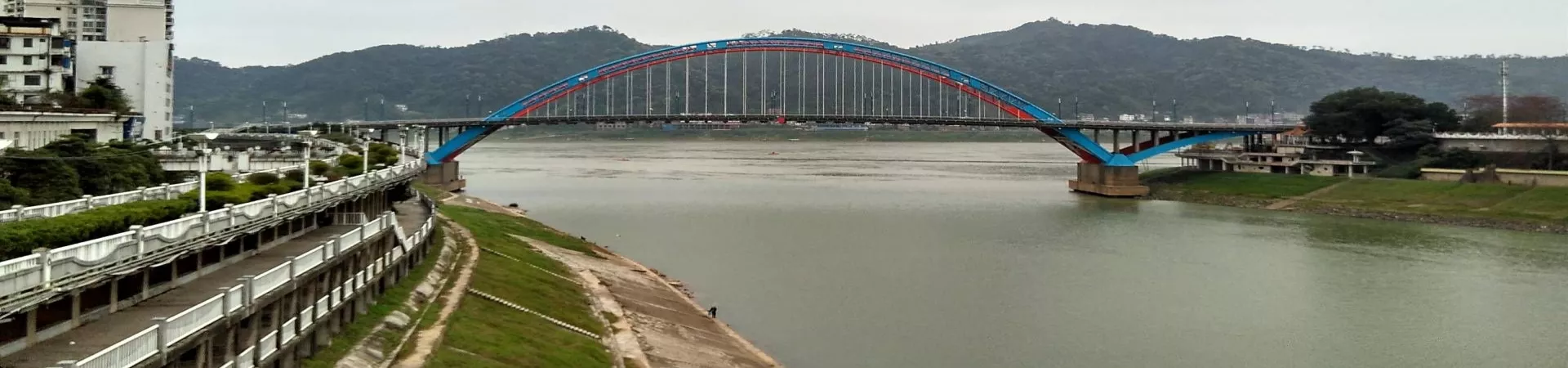
Subtitle: A Journey Through Guilin's Picturesque Waterway: The Gui River
Introduction: The Lifeline of Northern Guangxi
Flowing gracefully through the iconic karst landscapes of Guangxi Zhuang Autonomous Region, the Gui River stands as a primary tributary of the mighty Xi River system within the Pearl River Basin. More than just a geographical feature, it is the shimmering artery that connects some of China's most breathtaking scenery, from the misty peaks of its source to its confluence with the major waterways at Wuzhou. With a total length of approximately 426 kilometers and a basin area of 19,288 square kilometers, the Gui River's journey is a captivating narrative of natural beauty, historical significance, and serene adventure.
1. From Mountain Source to Limestone Corridors
1.1. The Origin: Cat Mountain's Icy Cradle The river's story begins at the rooftop of Guangxi—the majestic Cat Mountain (Mao'er Shan) in Xing'an County. Its upper reaches, known as the Darong Jiang, spring from this highest peak, carrying the pure, cold waters down through lush forests. This mountainous origin sets the stage for the river's character: fresh, dynamic, and rich in oxygen.
1.2. A Historic Confluence: Birth of the Li River Flowing southward to Rongjiang Town, the river undergoes its first major transformation. Here, it merges with the ancient and ingeniously engineered Lingqu Canal. This confluence is historically profound, as the waters from the canal join the mountain stream, and from this point onward, the river is famously known as the Li River. This section, from Guilin to Yangshuo, is world-renowned for its surreal panorama of towering karst pinnacles reflected in tranquil waters—a scene immortalized in countless poems and paintings.
1.3. The Transition to Gui River The journey continues south past the towns of Lingchuan, the city of Guilin, and Yangshuo County. At Pingle County, another significant merger occurs as the Li River joins with the Lipu River. It is at this confluence that the waterway officially adopts the name Gui River, marking the beginning of its less-traveled but equally stunning lower course.
2. Navigating the River's Character and Course
2.1. Hydrology and Challenges The Gui River is renowned for its spirited nature. Its course is punctuated by numerous rapids and treacherous shoals, a testament to its descent from the highlands and its passage through eroded limestone terrain. These features historically shaped its navigability. Shallow-draft vessels can typically travel upstream as far as Pingle, while during the higher water levels of the flood season, navigation can extend all the way to the docks of Guilin, linking the region in vital ways.
2.2. The Path Through Serene Landscapes From Pingle, the Gui River carves its way through Zhaoping and Cangwu counties before finally reaching the prefectural city of Wuzhou. Its entire path lies within a classic karst geological region. This results in a landscape where the clear, often jade-green waters are flanked by dramatic stone forests, hidden caves, and steep, verdant hills. The water quality, particularly in its upper and middle reaches, is notably clear, offering mesmerizing views of the underwater world and enhancing the overall scenic grandeur.
3. The Gui River as a Travel Destination
3.1. A Scenic Paradise for Visitors The Gui River basin is officially recognized as one of China's premier tourist regions. Its appeal lies in the seamless blend of natural elements: the serene water, the mystical mountains, and the vast open sky. A cruise along the river, especially the Li River section, is considered a quintessential Chinese travel experience. The lower Gui River sections offer a more tranquil and off-the-beaten-path alternative, where the landscapes remain equally impressive but the atmosphere is more peaceful.
3.2. Practical Information for Travelers * Suggested Duration: To fully appreciate a river cruise or explore key scenic spots along its banks, a visit typically requires 1 to 3 hours. A full-day excursion allows for a more immersive experience, including stops at riverside villages. * Admission Fees: As specific ticket prices for cruises, park access, or viewing points can vary by operator, season, and package, it is highly recommended to check directly with the specific scenic area or cruise company for the most accurate and current pricing details. * Operating Hours: The natural landscape of the Gui River itself is accessible 24 hours a day, year-round. However, organized cruise departures, ticketed viewing platforms, and related tourist facilities operate on their own schedules, typically during daylight hours. It is advisable to confirm operational hours for specific activities in advance.
4. The Confluence at Wuzhou: Joining the Greater Flow
The river's long journey culminates in the city of Wuzhou. Here, the Gui River empties its clear waters into the main stream of the Xi River, specifically into the Xun Jiang section. This confluence is geographically significant, as the mouth of the Gui River is precisely the demarcation point between the Xun Jiang segment and the subsequent Xi River segment of the main western watercourse. This meeting of waters symbolizes the transition from the picturesque, regional landscape of Guilin to the broad, powerful, and commercially vital river networks of southern China.