Qingming Bridge Ancient Canal Scenic Area
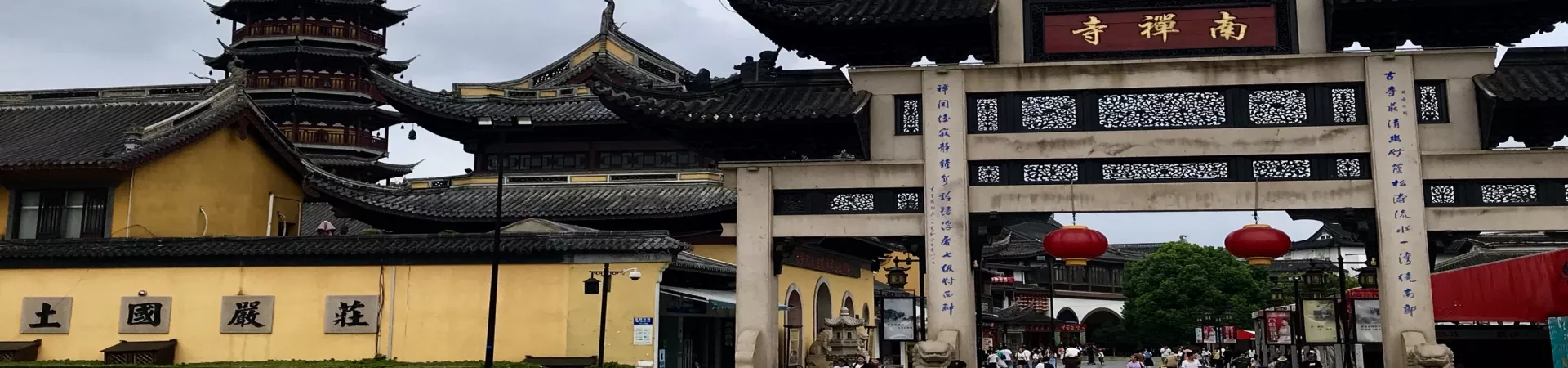
Subtitle: A Journey Through Time Along the Ancient Canals of Wuxi
1. Introduction to the Scenic Area Nestled in the heart of Wuxi, the Qingming Bridge Ancient Canal Scenic Area is a living museum of Jiangnan water town culture, formed by the confluence of two millennia-old canals and their accompanying historic streets in a distinctive "Y" shape. This area preserves a rich tapestry of historical relics and cultural landscapes, offering visitors an immersive step back into China's past. The most celebrated section is the so-called "Jiangnan Water Alley," hailed as the "unparalleled essence of the ancient canal." Here, the gentle sound of oars dipping into the water, the shimmering reflections of lantern light, the silhouettes of ancient bridges, and the traditional riverside dwellings collectively compose a vibrant, moving panorama—a true "folk-custom gallery on water."
2. Historical & Cultural Core: The Qingming Bridge 2.1. Origins and Construction The iconic Qingming Bridge stands as the centerpiece of the scenic area. Its history dates back to the Wanli period of the Ming Dynasty (late 16th century). The bridge was originally funded by the two sons of Qin Yao, the owner of Wuxi's famous Jichang Garden. Named Taiping and Taining respectively, the brothers derived the bridge's initial name, "Qingning Bridge," by combining a character from each of their given names, symbolizing familial harmony and civic contribution.
2.2. Reconstruction and Renaming The stone bridge underwent significant reconstruction in 1666, the eighth year of the reign of Emperor Kangxi of the Qing Dynasty, under the supervision of the county magistrate Wu Xingzuo. Later, during the Daoguang era, the bridge was renamed "Qingming Bridge" to avoid using the character "Ning," which was part of the reigning Emperor Daoguang's personal name (Minning). This historical nuance also leads to the occasional alternative pronunciation and reference as "Qingming Bridge," creating an intriguing layer to its identity.
3. Practical Visitor Information 3.1. Admission and Opening Hours The scenic area itself is open to the public free of charge and operates 24 hours a day, all year round. This allows for flexible visitation, whether under the morning mist, the afternoon sun, or the enchanting glow of evening lights. Visitors should note that while access to the streets and bridges is free, separate fees apply for canal boat tours, which are highly recommended for a complete perspective of the water alley's charm.
3.2. Suggested Duration and Best Time to Visit A typical visit to explore the core areas on foot requires approximately 1-3 hours. To fully experience the atmosphere, consider staying into the evening when the canals and buildings are beautifully illuminated. The area is a destination for all seasons, with each offering a different mood, from spring blossoms to festive winter decorations.
4. Transportation and Accessibility 4.1. Public Transportation The scenic area is conveniently accessible by public bus. Visitors can take Bus No. 106 or No. 27 and alight at the Jintangqiao (Bus Stop). From there, it is a short and straightforward walk to the entrance of the historic canal streets. This makes it an easy trip from various points within Wuxi city.
4.2. Navigation and Exploration Once inside the area, exploration is best done on foot along the ancient flagstone streets that run parallel to the canals. The layout encourages leisurely strolls, allowing for spontaneous discovery of quaint shops, traditional teahouses, and local snack stalls. Signage is generally available to guide visitors to key points of interest.
5. Experiencing the Canal Culture 5.1. The Water Alley and Boat Tours The essence of the experience lies in the "Jiangnan Water Alley." Taking a traditional wooden boat tour is the quintessential activity. Gliding slowly along the narrow canal, one passes under low bridges and by centuries-old houses whose foundations dip directly into the water. The boatman's narration and the rhythmic creak of the oars bring the history of the trading port and the daily life of its past inhabitants vividly to life.
5.2. Architectural and Local Life The architecture along the banks is a mix of Ming and Qing dynasty styles, with whitewashed walls, black-tiled roofs, and wooden shutters. Many buildings now house museums, craft workshops, and boutique stores. Observing local residents going about their day, chatting from across the narrow waterway, or tending to small gardens adds an authentic, living dimension to the historical setting.
5.3. Culinary and Artisanal Discoveries The ancient streets are lined with vendors and restaurants offering Wuxi's local specialties, such as sweet braised pork spare ribs (Wuxi Paigu), freshwater fish dishes, and various delicate pastries. Artisanal shops sell souvenirs like clay figurines, silk products, and intricate paper-cuts, reflecting the region's enduring crafts traditions.