Nanchan Temple
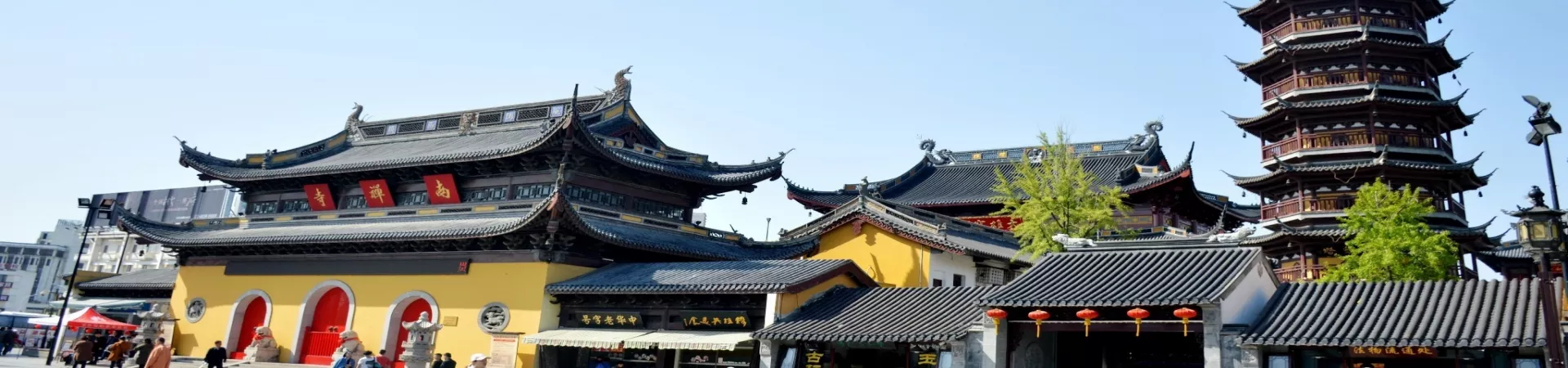
Nanchan Temple: A Historical and Spiritual Oasis in Wuxi
Subtitle: Exploring the Ancient Charms and Modern Vibrancy of a Thousand-Year-Old Jiangnan Temple
Nestled in the heart of Wuxi, a city famed for its serene Taihu Lake and classical gardens, stands the Nanchan Temple (South Chan Temple). More than just a place of worship, it is a profound cultural landmark where ancient history, Buddhist spirituality, and the lively pulse of modern Wuxi seamlessly converge. For any visitor to the city, a journey to Nanchan Temple offers a multifaceted experience, blending quiet contemplation with sensory delight.
1. A Legacy Carved in Time: The Temple's Historical Tapestry
The temple's origins are deeply rooted in Chinese imperial history, stretching back over a millennium. Its story is one of royal patronage and spiritual significance.
1.1 From "Liangxi Grand Temple" to an Imperial Grant Initially known as the "Liangxi Fengda Temple," it had already established itself as a significant Buddhist center renowned for producing generations of esteemed monks. Its historical prominence was formally recognized during the Northern Song Dynasty. In the Tian Sheng era (1023-1032), Emperor Renzong of Song bestowed upon it the illustrious name "Fu Sheng Chan Yuan" (Monastery of Blessed Sanctity). This imperial endorsement was not an isolated event.
1.2 The Symmetry of North and South In a fascinating historical footnote that underscores its importance, Emperor Renzong, eight years later, conferred the name "Shou Sheng Chan Yuan" (Monastery of Longevity Sanctity) upon a corresponding temple in the north. This act created a symbolic imperial pair—North and South Chan Temples—with Nanchan Temple representing the southern pillar of this spiritual axis. While the structures visible today are largely the result of careful reconstruction and restoration carried out in the 1980s and 1990s, they faithfully continue the legacy of this sacred site, allowing visitors to walk in the footsteps of both ancient devotees and royalty.
2. Architectural Serenity: Key Structures Within the Temple Complex
Stepping through the temple gates transports visitors into a realm of traditional Chinese Buddhist architecture and tranquil courtyards. The layout follows classic principles, housing several key structures that are essential for both religious practice and visitor exploration.
2.1 The Guardian Hall: Entering the Sacred Precinct The visit typically begins at the Heavenly King Hall (Tianwang Dian), which houses statues of the Four Heavenly Kings. These formidable deities are guardians of the Buddhist law and the temple grounds, symbolically protecting the sanctity of the space within.
2.2 The Iconic Pagoda: A City Landmark Dominating the temple's skyline is the elegant Miaoguang Pagoda. This multi-storied pagoda is not only a central feature of the complex but also a recognizable symbol of the surrounding area. Its graceful silhouette against the sky offers a perfect subject for photography and serves as a peaceful vantage point.
2.3 Halls of Worship and Reflection Beyond the pagoda, the complex unfolds to include other significant halls such as the Main Buddha Hall (Daxiong Baodian), the heart of the temple where major ceremonies are held. The Five Precepts Hall (Wujie Tang) is a space dedicated to Buddhist teaching and moral discipline. Adding to the atmosphere of compassion and harmony is the Merit Release Pond (Fangsheng Chi), a tranquil pool where Buddhist followers practice the ritual of releasing captive life, embodying the principle of non-harm.
3. Practical Information for Your Visit
To ensure a smooth and enriching experience, here are the essential logistical details for planning your trip to Nanchan Temple.
3.1 Admission and Opening Hours One of the great advantages of visiting Nanchan Temple is its accessibility. Admission to the temple grounds is free of charge, allowing everyone to experience its cultural and spiritual ambiance. The temple is open daily from 7:00 AM to 4:50 PM, providing ample time for a thorough exploration throughout the year.
3.2 Getting There: Transportation Options The temple is conveniently located and easily accessible by Wuxi's public bus system. Several bus routes have stops at or near the Nanchan Temple (Nanchansi) station, including routes 105, 118 Interval, 12, 15, and 19. From the bus stop, it is just a short and pleasant walk to the temple entrance.
3.3 Suggested Duration To fully appreciate the temple's architecture, history, and serene environment, a visit of approximately 1 to 3 hours is recommended. This allows time for a leisurely walk through all the halls, moments of quiet reflection, and exploration of the immediate surroundings.
4. Beyond the Temple Gates: The Lively Nanchan Temple Area
The experience of Nanchan Temple extends far beyond its walls. The temple's name also refers to the vibrant commercial and cultural district that has flourished around it for centuries.
4.1 A Culinary and Shopping Paradise After immersing yourself in the temple's spiritual atmosphere, you can seamlessly transition into the bustling energy of the adjacent Nanchan Temple Pedestrian Street and Night Market. This area is a paradise for food lovers and shoppers alike. Dozens of stalls and restaurants offer a spectacular array of local Wuxi delicacies and Jiangnan-style snacks—from sweet and savory baked goods to steaming bowls of noodles and seasonal treats. It's an ideal place to sample the local flavors.
4.2 The Enchantment of Nightfall As dusk settles, the area undergoes a magical transformation. The nighttime scenery is particularly captivating. The traditional-style buildings and the illuminated Miaoguang Pagoda are bathed in warm light, reflecting off the nearby ancient canal. The night market comes alive with a festive atmosphere, making an evening visit a completely different, yet equally essential, part of the Nanchan Temple experience. It represents the perfect harmony of Wuxi's historical depth and its contemporary, lively spirit.