CCTV Wuxi Film and Television Base
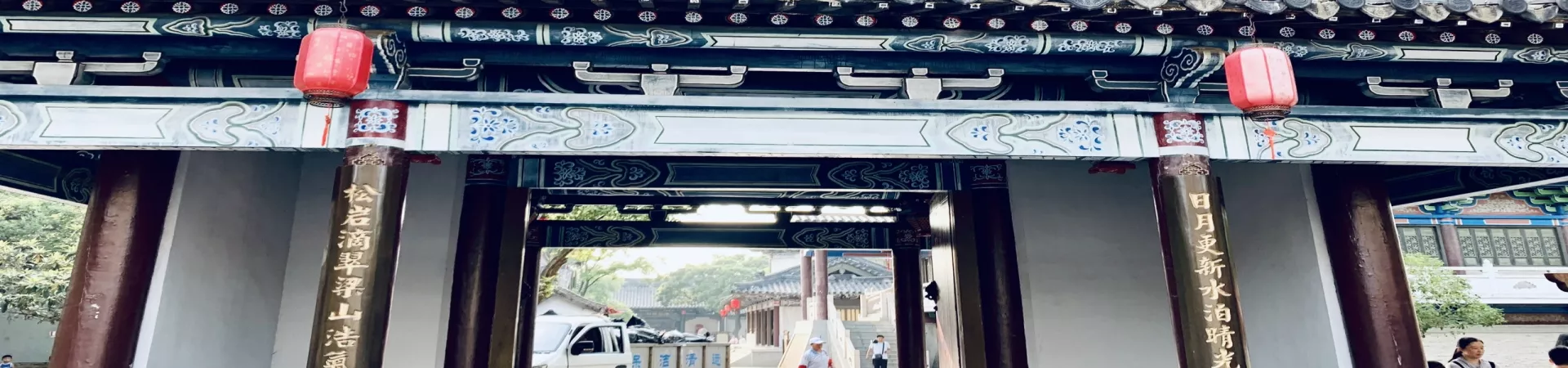
Subtitle: A Journey Through Cinematic History and Ancient China
1. Introduction to the Wuxi Film Studio Established in 1987, the China Central Television (CCTV) Wuxi Film Studio holds the distinguished title of being China's first theme park dedicated to the fusion of cinematic culture and tourism. Often referred to simply as the Wuxi Film Base, it was originally constructed to serve as a sprawling, authentic backlot for epic historical television productions. Over time, it has gracefully transitioned from a working studio into a premier cultural attraction, allowing visitors to step directly into the grandiose sets of legendary stories. The base is primarily divided into two expansive, adjacent theme parks: the Three Kingdoms City and the Water Margin City. Each is a meticulously crafted world, built for specific television adaptations and offering an immersive, tangible connection to China's rich historical and literary heritage.
2. Exploring the Three Kingdoms City (Sanguo Cheng) 2.1. The Epic Backdrop of "Romance of the Three Kingdoms" This section of the film base was constructed explicitly for the monumental 1994 CCTV television series "Romance of the Three Kingdoms." The architecture and landscape are characterized by a robust, masculine, and solemn aesthetic, reflecting the turbulent era of the Three Kingdoms period (220-280 AD). The city's design evokes a sense of monumental history and martial prowess.
2.2. Iconic Filming Locations and Structures Walking through the Three Kingdoms City is akin to traversing the pages of the classic novel. Visitors can explore the very sites where pivotal scenes were filmed. Key locations include the majestic Chibi (Red Cliff) waterfront area, where the famous naval battle was recreated for the "Burning of the Red Cliffs" episodes. The grand wedding hall sets the stage for "Liu Bei's Wedding," while other courtyards and halls witnessed the intense political debates of "Zhuge Liang's Debate with the Scholars" and the ambitious declarations of "Cao Cao's Poem on the Spear." The city features imposing city walls, military camps, ancient ships, and palaces like the "Hall of Magnificence," offering countless photo opportunities and a deep dive into the strategic and political drama of the era.
3. Discovering the Water Margin City (Shuihu Cheng) 3.1. A Vibrant Recreation of Song Dynasty Life In stark contrast to the martial atmosphere of the Three Kingdoms City, the Water Margin City presents a dazzling and intricate portrayal of Song Dynasty (960-1279 AD) urban and rural life. Built for the 1998 CCTV series "Water Margin" (based on the novel "Outlaws of the Marsh"), this area is a masterpiece of period detail, showcasing the social fabric of the time.
3.2. Immersive Sets and Neighborhoods The city is a comprehensive replica of a Song-era world, divided into distinct districts that tell their own stories. Visitors can wander through the bustling "Imperial and Administrative Quarter," which houses the imposing Imperial Palace, ministerial residences, and a fully realized yamen (government office) complete with a prison, offering a glimpse into the era's law and governance. The lively "Market Street Quarter" is lined with authentic shops, taverns, and merchant stalls, recreating the commercial heart of a ancient city. Finally, the journey leads to the rugged "Liangshan Mountain Stronghold," the legendary rebel base perched on a lakeside hill, featuring checkpoints, fortifications, and the "Loyalty Hall," embodying the spirit of the 108 outlaws.
4. Practical Visitor Information 4.1. Tickets and Pricing The two cities operate on a combined and separate ticket system. As of recent information, a standard adult ticket for the Three Kingdoms City is approximately 90 RMB, and for the Water Margin City, 85 RMB. A combined ticket for both cities offers a value price of around 175 RMB. Significant discounts (half-price) are available for minors (aged 6-18), senior citizens (aged 60-69 with valid ID), active military personnel, and full-time students with valid student cards. Free admission is granted to children under 1.4 meters tall or under 6 years old (note: one adult may accompany up to two such children for free; additional children require a ticket), seniors aged 70 and above, visitors with disabilities, and certified tour guides/leaders on duty. It is crucial to note that all prices and policies are subject to change, and visitors should verify the latest information directly with the park before their visit.
4.2. Opening Hours and Best Time to Visit The park's operating hours vary seasonally. Typically, from August to December, hours are from 8:00 AM to 5:30 PM, with last entry at 5:00 PM. From January to early August, hours are generally from 8:30 AM to 4:30 PM, with last entry at 4:00 PM. To fully appreciate both cities without rush, allocating a full day is highly recommended. The parks can be busy on weekends and Chinese public holidays.
4.3. Transportation and Accessibility The film base is conveniently accessible by public bus from Wuxi city center. The public bus route 82 has specific stops serving both the Three Kingdoms City ("Sanguo Cheng") and the Water Margin City ("Shuihu Cheng"), as well as the nearby Tang City ("Tang Cheng"). Alighting at the appropriate stop requires only a short walk to the park entrances. Taxis and ride-hailing services are also readily available for a more direct journey.