Wuhu Xiangshui Creek
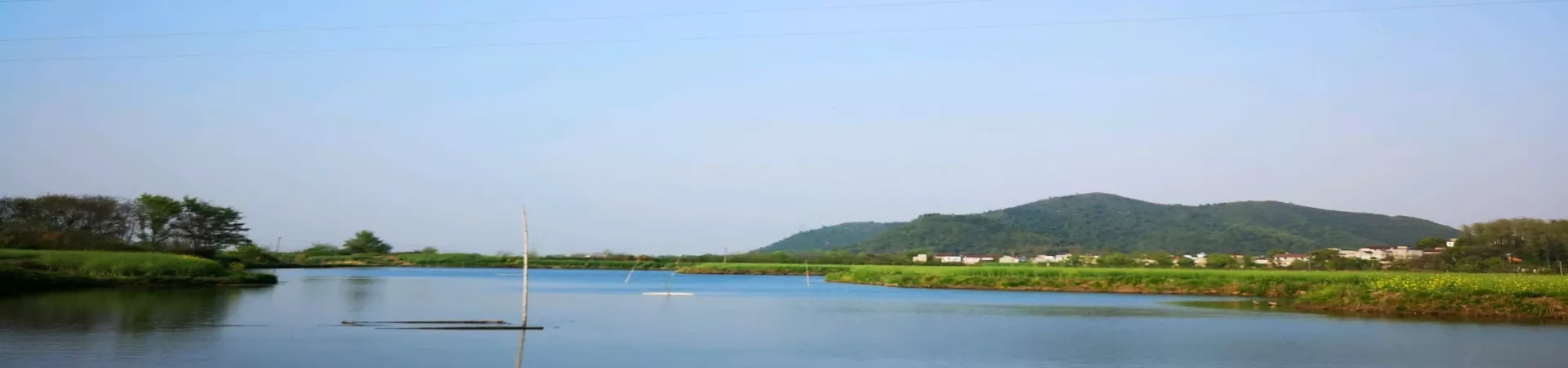
Subtitle: A Journey Through the Seas of Rapeseed Flowers and Ancient Irrigation Wonders
1. Introduction: The Allure of Wuhu Xiangshuijian
Nestled within the rolling hills of Wuhu City in Anhui Province, China, lies Xiangshuijian, a destination that masterfully blends breathtaking natural spectacle with profound historical depth. Far more than a simple scenic area, it is a sensory experience that shifts dramatically with the seasons, captivating photographers, nature enthusiasts, history buffs, and peace-seekers alike. While its name, translating to "Resounding Water Gully," hints at its ancient hydraulic heritage, Xiangshuijian has gained modern fame for creating one of Eastern China's most stunning and photogenic landscapes: a vast, vibrant sea of golden rapeseed flowers each spring. This guide delves into the multifaceted charm of Xiangshuijian, offering insights to plan a truly enriching visit.
2. The Seasonal Tapestry: When to Visit
The character of Xiangshuijian transforms throughout the year, making timing a crucial part of your visit.
2.1. Peak Spectacle: The Spring Blossom (March - Early April) This is the undisputed highlight and the reason for Xiangshuijian's widespread acclaim. From late March to early April, the terraced fields blanketing the hills erupt into a magnificent, unbroken expanse of brilliant yellow. The rapeseed flowers (canola flowers) create a stunning contrast with the verdant hills, blue skies, and the winding waterways below. The area, particularly the elevated observation points, becomes a paradise for photography. The sight of the "golden seas" undulating over the terrain is nothing short of awe-inspiring. Expect larger crowds during weekends in this peak period.
2.2. The Verdant Lushness: Summer (May - August) After the blossoms fade, Xiangshuijian reveals a different kind of beauty. The fields turn into a deep, emerald green, and the surrounding forests are at their most lush. The summer rains enhance the flow of the ancient irrigation channels, making the sound of rushing water more prominent and adding a refreshing coolness to the air. It's an ideal time for hiking and enjoying the serene, green landscapes away from the springtime crowds.
2.3. Tranquil Beauty: Autumn and Winter (September - February) Autumn brings a palette of warm browns and golds to the terraces, offering a more subdued and peaceful atmosphere. Winter, while colder, presents a stark, quiet beauty, often with misty mornings shrouding the hills. These seasons are perfect for visitors seeking solitude and a focus on the historical irrigation system without the seasonal fanfare.
3. Exploring the Core Attractions
A visit to Xiangshuijian typically involves engaging with both its natural and man-made wonders.
3.1. The Iconic Flower Sea Terraces The meticulously maintained terraced fields are the canvas for the seasonal displays. A network of paths and trails allows for immersive walks through the flowers during spring, enabling close-up views and intimate photos. The scale is best appreciated from a distance.
3.2. The Panoramic Observation Points To fully grasp the grandeur, heading to the dedicated observation decks is essential. These vantage points, often located on higher ground or accessed via local transport, provide the postcard-perfect, sweeping views of the terraced valleys painted in yellow or green. The most famous views often feature the geometric patterns of the fields juxtaposed with distant villages and reservoirs.
3.3. The Ancient Xiangshuijian Irrigation System This is the soul of the place, from which its name originates. Dating back centuries, this sophisticated network of canals, ditches, and waterways was engineered to channel water from the mountains to irrigate the farmland below. Even today, you can follow these channels, listen to the resonant sound of water flowing and cascading through the gully, and admire the ingenuity of ancient agricultural planning. It's a living historical monument that gives the site its unique cultural weight.
4. Practical Information for Visitors
4.1. Location and Access Xiangshuijian is located in the Sanshan District of Wuhu City, Anhui Province. It is approximately 50 kilometers from downtown Wuhu. * By Car: Driving is the most flexible option, with parking available near the scenic area. The journey offers pleasant rural views. * By Public Transport: Travelers can take a long-distance bus from Wuhu's main stations to Sanshan District, followed by a local taxi or minibus to Xiangshuijian. Detailed schedules should be checked on the day of travel.
4.2. Opening Hours and Fees * Opening Hours: The scenic area is generally open from 08:00 to 17:00 daily. Last admission is typically at 17:00. These hours may be subject to change, especially during seasonal events or adverse weather. * Admission Fees: There is usually an entrance fee to access the core viewing areas and observation points. Fees may vary between peak (spring blossom) and off-peak seasons. It is advisable to check the latest official pricing before your visit.
4.3. Visitor Tips and Recommendations * Footwear and Clothing: Wear comfortable, sturdy walking shoes suitable for uneven paths and terraced trails. Dress in layers according to the season. * Photography Gear: For photography enthusiasts, a wide-angle lens is perfect for capturing the vast landscapes, while a macro lens can detail individual flowers. A polarizing filter can enhance sky and color contrast. * Crowd Management: Visit on weekdays if possible to avoid the largest crowds, especially during the spring bloom. Mornings often provide the best light and a slightly quieter experience. * Local Etiquette: Please stay on designated paths to protect the agricultural fields. Dispose of all trash responsibly to help preserve the pristine environment. * Contact Information: For the most current information, you may contact local tourism services. A relevant contact number for local inquiries is +86 136 2553 3466.
Information last verified: August 2023.