Tao Xin Shui Yun
Subtitle: A Journey Through the Water Town of Taoxin, Wuhu: Where Canals and Culture Intertwine
Introduction: The Venice of the East in Anhui
Nestled within the vibrant city of Wuhu in Anhui Province, China, lies a hidden aquatic gem that seems to defy the rapid pace of modern urbanization. Taoxin Water Town, often poetically referred to as "Taoxin Shuiyun," is a serene network of ancient villages built upon a labyrinth of tranquil canals. This is not merely a scenic area; it is a living testament to a harmonious way of life shaped by water for over a millennium. The landscape is defined by the gentle embrace of the Qingyi River, which meanders gracefully along its periphery, while a complex, web-like system of man-made canals and ditches crisscrosses the interior, connecting communities, farmlands, and history. Here, water is the lifeblood, the highway, and the muse, creating an atmosphere of profound peace and rustic charm that transports visitors to a simpler time.
The Aquatic Landscape: A Symphony of Water and Land
2.1. The Lifeline: Qingyi River and the Ancient Canal Network The story of Taoxin is written in water. The Qingyi River, a major tributary of the Yangtze, acts as the region's serene blue border, its steady flow a constant, calming presence. From this natural artery, a remarkable feat of historical hydraulic engineering extends inward: the Taoxin Canal System. Initially constructed during the Tang and Song Dynasties for irrigation and flood control, these canals evolved into the foundational skeleton of the settlement. Over centuries, they were expanded and refined, creating an intricate grid that divides the land into numerous small "islands" or plots. This ingenious design not only ensured agricultural prosperity but also dictated the unique layout of the villages that followed, where every home had access to the water's edge.
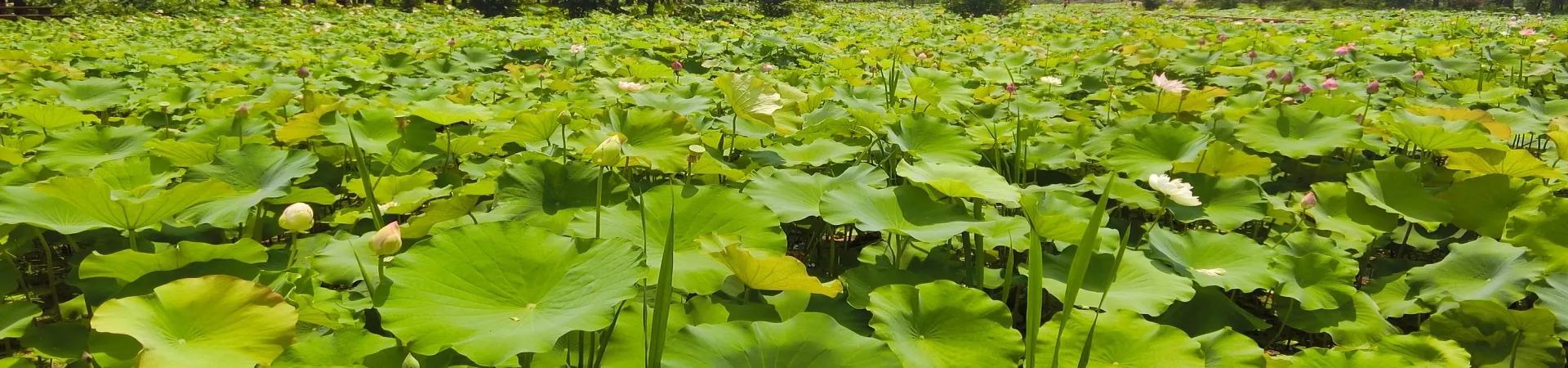
2.2. A Tapestry of Green: Wetlands and Lotus Blooms The constant presence of water has fostered a rich and vibrant ecosystem. The canals, ponds, and surrounding wetlands are thriving habitats, creating a lush tapestry of greenery. Willow trees drape their branches delicately over the waterways, and reeds sway gently in the breeze. However, the most spectacular natural display occurs in the summer months. Vast expanses of water transform into seas of green lotus leaves, upon which thousands of pristine pink and white lotus flowers bloom. The "Shuiyun" (water charm) of Taoxin reaches its peak during this period, with the air filled with a subtle, fresh fragrance. Boating through these lotus-covered waterways is an ethereal experience, offering unparalleled opportunities for photography and quiet contemplation amidst nature's artistry.
Cultural Heritage and Local Life
3.1. Architecture Along the Canals: A Glimpse into the Past The human settlement in Taoxin is in perfect dialogue with its aquatic environment. Traditional Hui-style architecture, characterized by whitewashed walls, dark grey roof tiles, and elegantly carved wooden accents, lines the banks of the canals. Many houses feature steps leading directly into the water, where boats were once tied. Ancient stone arch bridges, each with its own name and history, vault over the canals, connecting the network of lanes and alleyways. Strolling along the flagstone paths, visitors can observe the meticulous details of these centuries-old structures, feeling the weight of history in the quiet courtyards and under the shaded porticoes.
3.2. The Rhythm of Daily Life: Boats, Bridges, and Markets Life in Taoxin traditionally revolved around its waterways. While modern roads exist, the essence of local life can still be observed through its relationship with water. Flat-bottomed wooden boats, once the primary mode of transport for people and goods, can still be seen, now often used for maintenance or offering tourist rides. The rhythm here is slow and deliberate. Residents can be seen washing vegetables by the canal, fishing from small piers, or simply enjoying the cool breeze from their doorway. The local markets, though modernized, still carry the flavor of a community built on this unique geography, where the day's catch and water-grown produce are points of pride.
Practical Information for Visitors
4.1. Optimal Visiting Times and Seasonal Highlights To fully experience the magic of Taoxin, timing is key. The absolute best period to visit is from late June through August. This is when the legendary lotus flowers are in full, breathtaking bloom, painting the waterways in spectacular color. The weather is warm and conducive to boat rides. Spring (April-May) offers pleasant temperatures and lush, green scenery as everything comes to life. Autumn (September-October) provides cooler air and clear skies, beautiful for walking. Winters are quiet and starkly beautiful, though some facilities may have reduced hours.
4.2. Operating Hours and Admission The core scenic area of Taoxin Water Town operates with specific hours to manage access and preserve the environment. * Opening Hours: 08:00 - 17:30 (All day). * Last Admission: 16:30. It is crucial to note that these hours are particularly enforced during the peak summer season (June 1st - August 31st). Visitors are strongly advised to plan their arrival to ensure they have ample time to purchase tickets and enter before the 16:30 cutoff. Hours may vary slightly during off-peak seasons or due to special circumstances, so a quick verification before your visit is recommended.
4.3. Experiential Activities and Navigation A visit to Taoxin is immersive. The quintessential activity is a boat tour along the main canals. These guided tours, often on electrically-powered flat boats for silence and eco-friendliness, provide the best perspectives of the lotus fields, architecture, and bridges. After the boat ride, walking exploration is a must. Wander the ancient lanes, cross the stone bridges like "Yongxing Bridge" or "Shuangqiao Bridge," and explore hidden corners. Visit small local museums or ancestral halls to delve deeper into the region's history. Photography enthusiasts will find endless subjects, from grand landscape shots of the lotus seas to intimate details of architectural carvings and reflections in the still water. Local delicacies, often featuring freshwater fish, lotus root, and other aquatic plants, offer a delicious taste of the region's bounty.