Tan Hualin
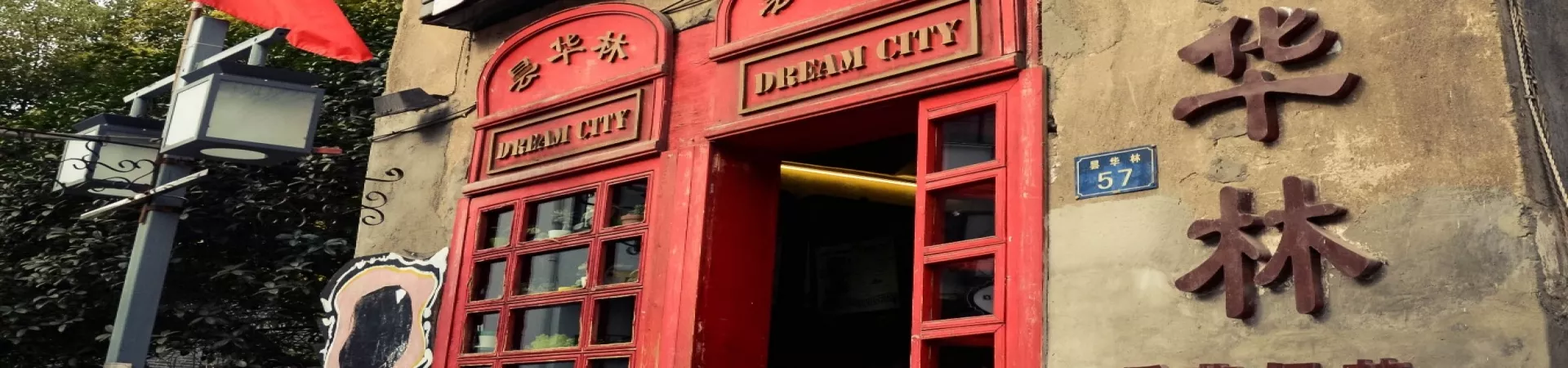
Subtitle: A Journey Through Time and Culture in Wuhan's Historic and Artistic Heart
1. Introduction to Tanhualin
Nestled between Garden Hill to the south and Phoenix Hill to the north, stretching from Zhongshan Road in the east to Desheng Bridge in the west, lies Tanhualin. This historic district, now a vibrant tapestry of cafes, boutique shops, and artistic energy, offers far more than meets the eye. Beneath its contemporary, trendy surface beats the heart of old Wuchang, with a history that stretches back centuries. It is a place where every cobblestone and weathered brick whispers tales of the past, making it an essential destination for anyone seeking to understand the soul of Wuhan beyond its modern skyline.
2. A Walk Through History: The Architecture and Legacy
2.1. The Historical Backbone Tanhualin is not merely a street but a living museum spanning approximately 1.2 kilometers. Its formation can be traced to the expansion and finalization of the ancient Wuchang city walls in 1371 during the Ming Dynasty, gradually evolving into the characteristic neighborhood seen today. The area uniquely preserves over a dozen century-old buildings, standing as silent witnesses to the passage of time and the tumultuous history of Wuhan.
2.2. Architectural Melting Pot One of Tanhualin's most captivating features is its stunning architectural eclecticism. Walking its winding lanes is like flipping through a textbook on architectural history. Here, traditional Chinese courtyard houses with grey bricks and tiles stand alongside Western-style edifices featuring Roman columns, Gothic arches, and Baroque decorations. This remarkable fusion is a physical testament to Wuhan's role as a major port open to foreign trade and influence in the late 19th and early 20th centuries, a place where Eastern and Western cultures met and intermingled.
2.3. Landmarks of Memory Key historical sites anchor the district's narrative. The former Renji Hospital and the Wenhua Academy (the precursor to the prestigious Central China Normal University) speak volumes about the introduction of modern medicine and Western-style education in the region. Perhaps the most somber site is the Wanying Tomb (Monument for Ten Thousand Infants) at the former orphanage, a poignant memorial that evokes a profound sense of history and reflection. These sites ensure that the district's story encompasses not just architectural beauty but also the social and humanitarian layers of Wuhan's past.
3. The Modern Pulse: Tanhualin as a Cultural and Artistic Hub
3.1. Transformation into a Creative Quarter While deeply respectful of its history, Tanhualin has dynamically reinvented itself. Today, it is widely celebrated as Wuhan's premier cultural and artistic district. The historic buildings have been thoughtfully repurposed, housing an array of independent businesses that breathe new life into the old structures.
3.2. A Haven for Artisans and Connoisseurs The narrow alleys are now lined with charming cafes offering perfect respite, art studios where local painters and sculptors work, handicraft shops selling unique souvenirs, independent bookstores tucked away in quiet corners, and boutique galleries showcasing contemporary art. This vibrant ecosystem attracts artists, students, writers, and tourists alike, creating a bohemian and intellectually stimulating atmosphere. It’s a place to savor a slow cup of coffee, browse through handmade jewelry, discover a local artist's latest work, or simply soak in the creative vibe.
4. Practical Information for the Visit
4.1. Getting There Tanhualin is easily accessible by public bus. Multiple routes, including numbers 34, 511, 530 Outer Ring, 543, and 554, stop at the Zhongshan Road Pangxiejia Station. From there, it is a short and pleasant walk into the heart of the district. Using a metro map or a local transportation app is recommended for the most current routes.
4.2. Visit Logistics * Admission Fee: There is no entrance fee to explore the Tanhualin historical district. It is a public, open-area neighborhood. * Opening Hours: The outdoor streets and alleys are accessible to the public 24 hours a day, year-round. Individual shops, cafes, and galleries have their own operating hours, typically opening from late morning until evening. * Time Recommended: To fully appreciate the architecture, visit key historical points, explore the shops, and enjoy a leisurely break, a visit of 1 to 3 hours is ideal.
4.3. Tips for an Enhanced Experience * Footwear is Key: Comfortable walking shoes are essential for navigating the sometimes uneven stone paths and gentle slopes. * Look Beyond the Main Lane: The true charm often lies in the smaller, branching alleys. Don't hesitate to wander off the main path. * Engage with Locals: Shop owners and cafe staff are often knowledgeable and passionate about the area's history and can share fascinating stories. * Combine Your Trip: Tanhualin is located close to other significant attractions like the Hubei Provincial Museum and the Yellow Crane Tower, making it easy to combine into a full day of cultural exploration in Wuchang. * Verification: For the most precise information regarding specific site access or business hours, it is always advisable to check with local tourist information or the businesses directly closer to your visit date.
Information last updated: June 17, 2023.