Qingchuan Pavilion
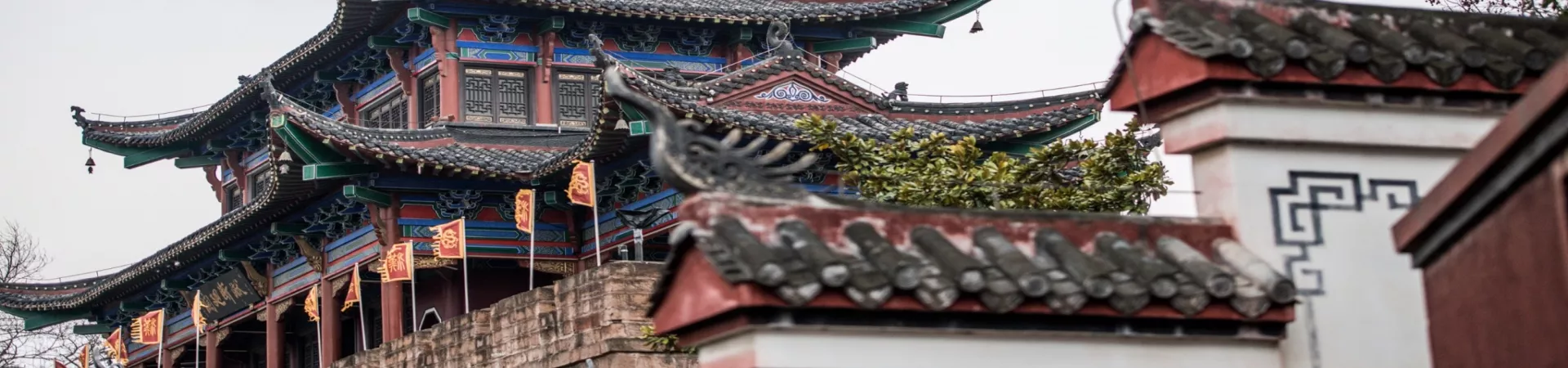
Subtitle: A Journey Through Time and Poetry: Unveiling the Splendor of Wuhan's Qingchuan Pavilion
1. An Architectural Ode to a Timeless Verse Nestled on the northern bank of the majestic Yangtze River in Wuhan, the Qingchuan Pavilion stands as a serene yet profound counterpoint to the bustling modern city. Its very existence is a testament to the enduring power of classical Chinese poetry. Constructed during the Ming Dynasty, its evocative name, "Qingchuan," is directly inspired by the renowned line, "晴川历历汉阳树" ("Clear streams reflect the Hanyang trees distinctly"), from the famous Tang Dynasty poem "Yellow Crane Tower" by Cui Hao. This literary genesis elevates the pavilion from mere architecture to a physical embodiment of cultural memory. Alongside the iconic Yellow Crane Tower on the opposite shore and the ancient Guqin Terrace, Qingchuan Pavilion completes the triumvirate of Wuhan's most celebrated historical landmarks, each representing a unique facet of the region's rich heritage.
2. Architectural Grandeur and the Spirit of Chu 2.1 Design and Structure The pavilion itself is a masterpiece of classical Chinese garden architecture, meticulously designed to harmonize with its natural surroundings. The structure is a two-story wooden edifice, characterized by its elegant upward-curving eaves and a surrounding perimeter corridor that offers uninterrupted, panoramic vistas. This design is not merely aesthetic; it is a deliberate revival of the distinctive architectural style of the ancient Chu Kingdom, which once flourished in this region. The Chu people were known for their practice of constructing elevated terraces against mountain slopes, upon which they built lofty pavilions. Qingchuan Pavilion faithfully recreates this "building platforms against hills, erecting towers upon platforms" approach, resulting in a form that appears both majestic and naturally integrated into the landscape.
2.2 A Repository of Cultural Essence Beyond its structural form, the pavilion is imbued with a palpable and rich Chu cultural atmosphere. From the intricate wood carvings and decorative motifs to the overall aesthetic sensibility, the details whisper tales of a bygone era known for its shamanistic traditions, distinctive bronze artifacts, and romantic literary spirit. Visiting the pavilion is akin to stepping into a living museum of Chu culture, where the architectural space itself narrates stories of history and artistic achievement.
3. A Landscape of Poetic Contrasts and Seasonal Spectacles 3.1 The Iconic Riverfront Duality The geographical and visual relationship between Qingchuan Pavilion and the Yellow Crane Tower is arguably one of the most iconic panoramas in Wuhan. Situated directly across the Yangtze River from each other, they engage in a silent, centuries-old dialogue. One stands on the northern bank (Qingchuan), the other on the southern (Yellow Crane), creating a breathtaking scene of "towers facing each other across the river, one south, one north." This strategic positioning allows each to serve as the other's most perfect viewing frame and poetic foil. The juxtaposition is so profoundly beautiful that it has earned the area the revered title of "Sanchu Holy Land," a reference to the historical and cultural significance of the Chu region. The view from Qingchuan Pavilion, looking across the mighty river towards the silhouette of Yellow Crane Tower, is a moment of pure, awe-inspiring grandeur.
3.2 The Ephemeral Beauty of Cherry Blossoms While the pavilion offers timeless historical appeal, it also hosts a spectacular seasonal transformation. From late March to early April, the site becomes a premier destination for cherry blossom viewing. Adjacent to the ancient, dignified pavilion, the air fills with a delicate pink and white haze. The most renowned and picturesque spot for enjoying this floral spectacle is the cherry blossom grove located in the rear garden of the nearby Qingchuan Holiday Hotel. Here, the stark contrast between the eternal, structured beauty of the Ming Dynasty architecture and the soft, transient beauty of the blooming sakura creates a uniquely captivating and photogenic experience, symbolizing the harmonious cycle of permanence and change.
4. Essential Visitor Information 4.1 Getting There The pavilion is conveniently accessible by public transport. Visitors can take bus routes 30, 531, 532, 535, or 553 and alight at the "Qingchuan Ge" (Qingchuan Pavilion) station. The pavilion is within a short walking distance from the bus stop.
4.2 Admission and Hours A significant advantage for visitors is that admission to Qingchuan Pavilion is free of charge. Its operating hours are from 9:00 AM to 5:00 PM, Tuesday through Sunday, with last entry at 4:30 PM. It is important to note that the pavilion is closed to the public on Mondays (except for public holidays which may alter this schedule). The site may occasionally close for maintenance or special events.
4.3 Planning Your Visit A typical visit to explore the pavilion grounds, appreciate the architecture, and enjoy the views generally requires about 1 hour. During the cherry blossom season, visitors should allocate additional time to fully experience the gardens. For any specific inquiries, visitors can contact the management at 027-84710887.
Please be advised that all practical information regarding opening hours, admission policies, and special closures is subject to change. It is highly recommended that visitors verify the latest details through official channels or notices posted at the attraction prior to their visit.