Guiyuan Temple
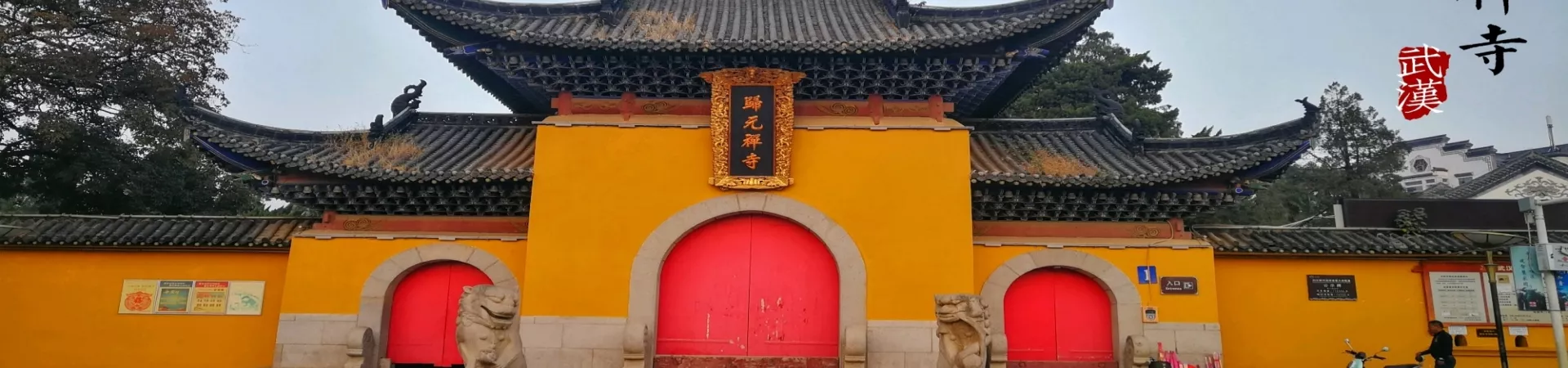
A Spiritual Anchor in a Modern Metropolis: Discovering Guiyuan Temple
Nestled within the bustling heart of Wuhan, Hubei Province, Guiyuan Temple stands as a serene counterpoint to the city's dynamic pace. Renowned as one of the most significant Buddhist temples in the region, it forms the prestigious "Four Great Groves of Wuhan" alongside Baotong Temple, Xilian Temple, and Zhengjue Temple. For centuries, it has served not merely as a place of worship but as a spiritual and cultural cornerstone for the local community, offering a tranquil sanctuary for reflection and devotion.
The Heartbeat of Local Faith and Tradition
For countless residents of Wuhan, a visit to Guiyuan Temple for prayer and blessings is an integral part of daily life and seasonal rhythm. The temple embodies the living faith of the city. This devotion reaches its annual zenith during the Chinese New Year celebrations, particularly on the fifth day of the first lunar month. On this day, the temple grounds witness an extraordinary spectacle of faith, as hundreds of thousands of devotees gather in hopes of offering the "first incense" of the year. This tradition, believed to bring exceptional luck and divine favor for the coming year, transforms the temple into a vibrant, awe-inspiring sea of people, incense smoke, and fervent hope, showcasing the deep-rooted spiritual customs that thrive in modern Wuhan.
Architectural and Cultural Highlights
While the entire temple complex, with its classical halls, ancient trees, and peaceful courtyards, merits exploration, several features are of particular note to visitors.
The Legendary Arhat Hall Perhaps the most famous and intriguing attraction within Guiyuan Temple is its Arhat Hall. Housing a remarkable collection of 500 lifelike statues of Arhats (disciples who have achieved enlightenment), the hall is the site of a unique and popular folk tradition. Visitors enter and select any Arhat statue as a starting point. They then proceed to count sequentially, moving from one statue to the next, until they reach the number corresponding to their current age. The Arhat at which they land—its depicted expression, posture, and symbolic attributes—is then interpreted as a reflection or omen of the individual's fortune and character. This interactive practice, blending chance with spiritual introspection, is a beloved ritual for both tourists and pilgrims, adding a personal and engaging dimension to the visit.
Practical Information for Your Visit
Location and Access Guiyuan Temple is located at No. 20, Cuiweiheng Road, Hanyang District, Wuhan. * By Public Transport: A convenient option is to take public bus routes 547 or 637 and alight at the "Guobo Dadao Bingtangjiao (Bus Stop)." The temple is within walking distance from the stop.
Visiting Hours and Admission * Opening Hours: The temple is open daily from 8:00 AM to 5:00 PM, with last admission at 4:30 PM. * General Admission: The standard entrance fee is 10 RMB per person. * Important Note on Ticketing: The temple currently operates a mandatory online reservation and timed-entry system. All visitors must purchase tickets and book their visit slot in advance through the temple's official WeChat channel. Walk-up ticket sales may not be available. It is crucial to check the latest booking procedures and requirements on the official WeChat account "武汉归元禅寺" before your visit. * Holiday Pricing: Please note that during national statutory holidays, the admission fee may be adjusted to 20 RMB.
Detailed Free Admission Policy Guiyuan Temple extends complimentary entry to several groups as a gesture of respect and gratitude. Eligible visitors typically do not need an online reservation but must proceed through the designated free admission channel and register with on-site staff. The policy includes: * Retired military cadres, active-duty military personnel, and individuals with disabilities (upon presentation of valid certificates). * Senior citizens aged 60 and above (with a valid ID or Senior Citizen Privilege Card). * Holders of the temple's own "Guiyi Certificate" (a Buddhist disciple certificate). * A special provision: Medical heroes who aided Hubei during the pandemic, including all members of national, military, and provincial medical teams, as well as all medical personnel working in Hubei Province (upon presentation of a valid Doctor or Nurse Certificate). (The validity period of this specific offer is subject to the temple's latest announcement).
A visit to Guiyuan Temple is more than a tourist stop; it is an immersion into the spiritual heartbeat of Wuhan. It offers a profound glimpse into how ancient Buddhist traditions, interactive folk customs, and communal practices seamlessly integrate into the fabric of contemporary urban life, providing a space for peace, cultural connection, and personal contemplation amidst the city's ever-flowing energy.