Donghu Scenic Resort
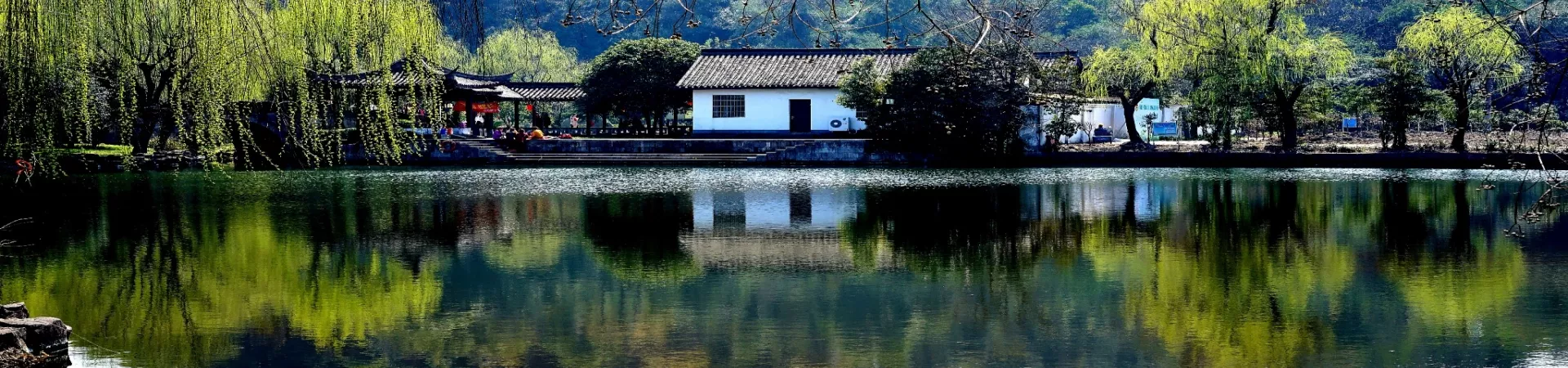
East Lake: Wuhan's Vast Urban Oasis
Nestled in the Wuchang district, East Lake (Donghu) derives its name from its geographical location east of urban Wuhan. It is not merely a lake but a sprawling ecological and cultural treasure, recognized as the second-largest urban lake in China and one of the most extensive by water area. This magnificent landscape seamlessly blends natural beauty with historical significance, offering a serene escape from the city's bustle while serving as a vibrant hub for recreation, culture, and relaxation.
A Legacy of Natural Beauty and Historical Significance
The lake's allure has captivated visitors for generations, most notably Chairman Mao Zedong, who held a profound affection for it. He poetically referred to East Lake as "the place of white clouds and yellow cranes," a testament to its picturesque and almost mythical scenery. This endorsement highlighted the lake's national importance and cemented its status as a landscape of both natural and cultural heritage. Today, it stands as a protected ecological tourism zone where visitors can experience the harmony between a major metropolis and a preserved natural environment.
Exploring the Four Distinct Scenic Zones
East Lake's vastness is organized into four primary scenic areas, each offering a unique character and set of experiences. Exploring these zones reveals the full diversity of the lake's offerings.
Listening to Waves Scenic Area (Tingtao) This area, often considered the core zone, features elegant gardens, willow-lined pathways, and pavilions that overlook the gentle lapping waves. It is a place for leisurely strolls, boat watching, and enjoying classic Chinese landscape aesthetics. Key sites here often include the Changtian Tower and the Xingyin Pavilion, perfect for contemplative moments and panoramic views.
Moshan Scenic Area Dominated by the lush Moshan (Mill Hill), this zone is famous for its botanical richness. It is home to the East Lake Cherry Blossom Garden, a premier destination during spring when thousands of cherry trees burst into bloom, creating a breathtaking spectacle. Beyond the blossoms, the area boasts gardens dedicated to peonies, tulips, and plum flowers, ensuring vibrant colors across seasons. The Chu City (Chu Feng) cultural site here also offers a glimpse into the ancient Chu Kingdom's history.
Falling Wild Goose Scenic Area (Luoyan) This zone is the epitome of ecological preservation, featuring wetlands, secluded woodlands, and bird sanctuaries. As the name suggests, it's a haven for migratory birds, making it ideal for birdwatching and nature enthusiasts seeking tranquility. The area's rustic bridges, waterborne pathways, and rich biodiversity provide a stark, peaceful contrast to the more cultivated gardens of other zones.
Flute Playing Scenic Area (Chuidi) Also known as the Forest of Reeds (Luhu), this area is characterized by bamboo groves, pine forests, and rolling hills. It offers a more forested, adventurous experience with hiking and biking trails. The Mo Hill here provides a challenging climb rewarded with one of the most comprehensive vistas of the entire East Lake basin. It's a favorite for outdoor activities and family picnics amidst dense greenery.
Practical Information for Your Visit
Getting There Public transportation is convenient. Visitors can take bus route 643 and alight at the Luoyan Lu Yanzhongzui (Yanzhongzui on Luoyan Road) bus stop. From there, a scenic approximately 20-minute walk will lead you to the lake's edge. Taxis and ride-sharing services are also readily available throughout Wuhan.
Admission Access to the general East Lake Ecological Tourism Scenic Area is free of charge, making it an incredibly accessible public space. However, please note that specific attractions within the zones, such as the Cherry Blossom Garden, the Moshan Botanic Garden, and certain cultural exhibits, may have separate entrance fees. Special events or peak seasons (like the cherry blossom period) may also involve ticketing. It is advisable to check the official notices at the respective scenic area's ticket office for the most current pricing details.
Opening Hours The outdoor park areas of East Lake are open 24 hours a day, every day of the year. This allows for incredible flexibility, from morning tai chi sessions and daytime explorations to romantic evening walks under the lights. Individual paid attractions within the park have their own operating hours, typically from around 8:30 AM to 5:30 PM.
Suggested Duration To truly appreciate even one of the scenic zones, a minimum of 3 to 4 hours is recommended. To explore multiple areas or engage in activities like boating, cycling, or in-depth hiking, planning for a half-day or even a full day is ideal. Bicycles and electric sightseeing vehicles are available for rent inside the park to help cover longer distances comfortably.
A visit to East Lake is more than just a walk in a park; it is an immersion into a dynamic landscape where water, land, history, and modern leisure converge. Whether you are seeking a peaceful retreat, a cultural insight, a botanical tour, or an active outdoor adventure, Wuhan's East Lake provides a comprehensive and unforgettable experience.