Donghu Cherry Blossom Garden
Subtitle: A Comprehensive Visitor's Guide to Wuhan East Lake Cherry Blossom Garden
1. Introduction and Historical Significance
Nestled within the picturesque expanse of Wuhan's East Lake Scenic Area, a designated National 5A Tourist Attraction, lies the enchanting East Lake Moshan Cherry Blossom Garden (武汉东湖磨山樱园). This floral paradise, covering approximately 260 acres (about 106 hectares), is home to over 10,000 cherry trees, creating one of the most spectacular springtime vistas in China. Its significance transcends mere beauty, rooted in a history of international friendship. The garden's origins are diplomatically poignant, with its first cherry trees gifted as a symbol of peace by former Japanese Prime Minister Kakuei Tanaka to Madame Deng Yingchao, the wife of former Chinese Premier Zhou Enlai. Madame Deng subsequently donated these trees to Wuhan, where they found their home by the East Lake. The majority of the garden's current splendor, however, stems from a significant joint Sino-Japanese investment and planting effort in 1998. This rich heritage contributes to the garden's esteemed reputation, earning it recognition as one of the "World's Three Great Cherry Blossom Capitals," alongside Hirosaki Park in Aomori, Japan, and the Cherry Blossom Festival locations in Washington, D.C., USA.
2. Planning Your Visit: Practical Information
2.1. Location and Accessibility The Cherry Blossom Garden is conveniently situated at the southern foot of the Moshan (磨山) area within the vast East Lake Scenic Area. It is located adjacent to the East Lake Plum Garden, allowing visitors the potential to enjoy multiple botanical attractions. The East Lake area is accessible via public buses, taxis, and ride-sharing services from downtown Wuhan. During the peak cherry blossom season, special tourist shuttle buses often operate to facilitate access to Moshan.
2.2. Admission and Tickets A significant advantage for visitors is the garden's free admission. Access is included within the general entrance ticket to the East Lake Moshan Scenic Area. Visitors should purchase the East Lake Moshan ticket, which grants entry to this garden and other attractions within the Moshan sector. It is always advisable to check for the latest ticketing policies at official channels before your visit.
2.3. Opening Hours Operating hours vary seasonally, with extended hours during the peak bloom period. The key schedule to note is: * Peak Bloom Season (March 1 - April 15): 07:30 - 22:00, with last entry at 21:30. Outside this period, hours may differ, so verifying current times before planning a trip is recommended.
2.4. Suggested Duration To fully immerse yourself in the garden's beauty, explore its pathways, and capture photographs, a visit of 1 to 3 hours is typically sufficient. Allocating more time is wise during weekends and peak bloom days to accommodate larger crowds and allow for a leisurely pace.
3. The Garden Experience and Highlights
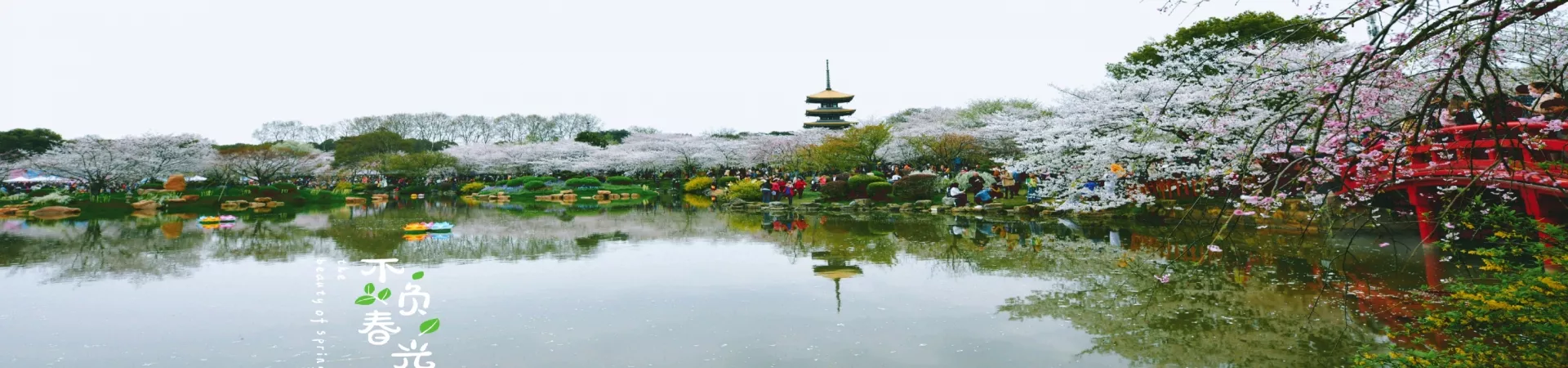
3.1. The Blossom Spectacle Walking through the garden is a multisensory experience. The primary attraction is, of course, the breathtaking sea of blossoms. With over 10,000 trees, the varieties present a stunning palette of whites, soft pinks, and deeper rose hues. The canopy of flowers, especially along the central pathways and around the traditional Japanese-style pagoda and pond, creates iconic, picture-perfect scenes. The sight of petals gently falling in the breeze, known as "cherry blossom snow," is particularly magical.
3.2. Architectural and Cultural Elements The garden is thoughtfully designed to complement the natural beauty of the cherry trees. Incorporating elements of Japanese garden design, visitors will find serene ponds, arched bridges, stone lanterns, and a striking five-story pagoda. These structures not only provide beautiful focal points for photography but also enhance the cultural atmosphere, reflecting the garden's historical ties to Japan. The blend of Chinese landscape and subtle Japanese influences creates a unique and harmonious aesthetic.
3.3. Seasonal Activities and Atmosphere During the peak season, the garden transforms into a vibrant festival ground. It is common to find cultural performances, food stalls offering local and themed snacks, and various photo opportunities. The atmosphere is one of joyful celebration, with families, photographers, and nature enthusiasts all sharing in the appreciation of spring's arrival. Evening visits are especially recommended when the trees are artistically illuminated, offering a completely different, ethereal perspective on the blossoms.
4. Visitor Tips and Recommendations
4.1. Best Time to Visit The optimal viewing period is typically from mid-March to early April, but this can shift slightly depending on annual weather conditions. Monitoring local bloom forecasts from Wuhan tourism sources is the best strategy for timing your visit to see the flowers at their peak. Weekdays are generally less crowded than weekends.
4.2. What to Bring and Wear * Comfortable Footwear: The garden involves considerable walking on paved paths and gentle slopes. * Camera: Essential for capturing the stunning scenery. * Weather-Appropriate Clothing: Spring weather can be changeable; layered clothing is advisable. * Water and Snacks: Although vendors may be present, carrying water is recommended.
4.3. Contact Information For the most current information, especially regarding precise bloom status or special events, visitors can contact the scenic area at 027-87510179.
(Information last updated: April 10, 2023. Credit to contributor ayfar~.)