Yixiantian Scenic Area
Subtitle: A Journey Through Millennia: Unveiling the Desert Grand Canyon of Wuxi Hai
1. Introduction: The Allure of the Crack in the Cliff
Nestled within the vast and rugged landscape of Wuhai City, in China's Inner Mongolia Autonomous Region, lies a geological masterpiece that seems to defy the very essence of the surrounding arid plains: the Yixiantian Scenic Area, often poetically translated as "One-Line Sky." More than just a singular fissure in the rock, this destination is a profound natural history book written in sandstone, a sanctuary of serene beauty carved by wind and water over countless epochs. For the discerning traveler seeking a blend of awe-inspiring grandeur, profound tranquility, and a tangible connection to Earth's deep past, Yixiantian offers an unforgettable escape. It stands as a majestic counterpoint to the nearby golden dunes of the Wuhai Desert, presenting a dramatic, multi-hued canyon landscape that has rightfully earned its nickname as the "Desert Grand Canyon."
2. The Geological Tapestry of Yixiantian 2.1. A Symphony in Sandstone: Formation and Features The core narrative of Yixiantian is written in its rocks. The area is characterized by spectacular red sandstone landforms, primarily from the Jurassic period, approximately 150 million years ago. This ancient sedimentary rock, once layers of sand deposited in ancient river systems or basins, has been meticulously sculpted. The primary artists here have been tectonic uplift, which raised these strata to their present height, and the persistent forces of erosion—wind whipping through the corridor, temperature fluctuations, and occasional water flow. The result is a breathtaking array of natural architecture: towering cliffs, intricate alcoves, precarious balancing rocks, and weathered pillars that take on fantastical shapes limited only by the imagination.
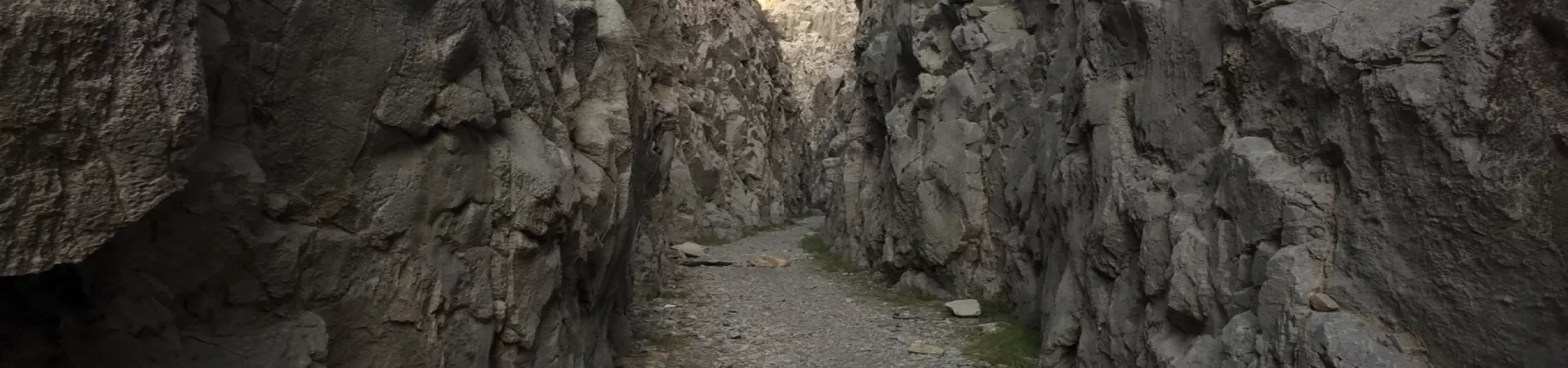
2.2. The Namesake Wonder: The "One-Line Sky" Gorge The heart and namesake of the scenic area is the magnificent narrow gorge itself. Traversing this cleft is the quintessential Yixiantian experience. Visitors walk along a well-maintained path that winds through the base of the canyon, where the walls soar dozens of meters overhead on both sides. At its narrowest points, the gap between the cliff faces is mere meters, causing the sky above to appear as a slender, winding ribbon of blue—a literal "one-line sky." The play of light within this corridor is magical, with sunlight filtering down to create ever-shifting patterns of illumination and shadow on the vibrant, rust-colored walls, offering a profoundly immersive and almost meditative journey.
3. Exploring the Scenic Area: Trails, Vistas, and Hidden Details 3.1. Main Walking Paths and Key Viewpoints The development of the scenic area respects its natural beauty while ensuring accessibility. A main wooden boardwalk and stone-paved trail system guides visitors through the most spectacular sections, including the core gorge. Strategically placed viewing platforms allow for safe contemplation of the vast canyon vistas. Key viewpoints provide panoramic outlooks over the layered sandstone formations, revealing the sheer scale and complexity of the erosion. The contrast between the deep reds and ochres of the rock, the green resilience of desert-adapted plants in crevices, and the brilliant blue sky creates a photographer's paradise.
3.2. Natural Sculptures and Interpretive Imagination As you explore, guided by signage or your own curiosity, the rock formations begin to resemble familiar shapes. Look for natural sculptures like the "Moon Gate," a perfect archway framed by rock, or the "Twin Peaks" guarding the canyon entrance. The "Stone Scripture" wall appears etched with mysterious hieroglyphics by natural weathering. These features encourage visitors to engage actively with the landscape, sparking stories and personal interpretations of the stone figures—be they mythical beasts, serene Buddhas, or ancient guardians.
4. Practical Visitor Information and Context 4.1. Location, Access, and Best Times to Visit Yixiantian Scenic Area is located in the Wuhai region, approximately a 1 to 1.5-hour drive from the main urban center of Wuhai City. The journey itself through the evolving landscape from city to desert to canyon is part of the adventure. The most favorable seasons to visit are spring (April-May) and autumn (September-October), when temperatures are mild and pleasant for hiking. Summers can be intensely hot, while winters are cold with potential for icy paths. Early morning or late afternoon visits are recommended to capture the best light for photography and to avoid the midday heat.
4.2. Visitor Preparedness and Cultural Significance Comfort is key for enjoyment. Sturdy, closed-toe walking shoes with good grip are essential for the sometimes uneven paths. Sun protection—including hat, sunglasses, and high-SPF sunscreen—is non-negotiable due to the high exposure and reflective rock surfaces. Carrying sufficient water is crucial, as services within the canyon itself are limited. Beyond its geological significance, the area is steeped in the cultural history of Inner Mongolia. The surrounding lands are part of the ancient Helan Mountain cultural sphere, and the resilient beauty of the canyon resonates with the enduring spirit of the region's nomadic traditions. It serves as a powerful reminder of the dynamic forces that shape our planet and the timeless beauty that arises from their slow, relentless work.