Gander Mountain
Subtitle: A Journey to the Summit of the Desert: Discovering Wuhai's Gander Mountain
Introduction: An Oasis of Culture and Nature
Nestled in the vast landscapes of Inner Mongolia, where the golden sands of the Tengger Desert meet the flowing waters of the Yellow River, lies the city of Wuhai. Often overlooked in favor of more famous destinations, Wuhai holds a unique treasure: Gander Mountain (甘德尔山). This is not merely a geographical feature; it is a profound symbol of human ambition intertwined with natural grandeur. Once a barren and rugged peak, Gander Mountain has been transformed into a comprehensive ecological and cultural tourism area, representing a monumental effort to green the desert and create a lasting legacy. For the discerning traveler, it offers an unparalleled experience—a place where one can witness the awe-inspiring power of nature, contemplate the depths of Tibetan Buddhist culture, and marvel at a modern engineering feat, all from a single, breathtaking vantage point.
The Ascent: Engineering Marvel and Panoramic Vistas
Reaching the Summit The journey to the heart of Gander Mountain is an adventure in itself. A sophisticated cable car system transports visitors smoothly from the base, gliding over the gradually transforming landscape. Below, the evidence of decades of afforestation projects unfolds—patches of resilient greenery challenging the desert's dominance. The cable car offers a silent, soaring preview of the majesty to come, building anticipation with every meter gained.
The Ultimate Viewpoint: A 360-Degree Desert Symphony Upon reaching the summit station, visitors are greeted by a panorama that is nothing short of spectacular. To the north and west, the endless, rolling waves of the Tengger Desert stretch to the horizon, a sublime sea of sand under the vast Inner Mongolian sky. To the east, the life-giving ribbon of the Yellow River carves its path, its waters a striking contrast to the arid surroundings. The city of Wuhai sits neatly in the embrace of these natural forces. This viewpoint provides a powerful, silent lesson in geography and ecology, showcasing the delicate and dramatic coexistence of desert, river, and urban life.
The Centerpiece: The Colossal Genghis Khan Statue
An Architectural and Cultural Icon Dominating the summit, and visible from miles across the desert, is the mountain's soul—a majestic statue of Genghis Khan. This is not a simple monument; it is an architectural integration of staggering scale. The equestrian figure of the legendary Mongol leader is constructed directly onto the mountain's frame, standing nearly 90 meters tall. Its formidable presence evokes the spirit of the empire that once ruled these lands, a silent guardian overlooking the modern world.
Inside the Monument: A Museum in the Sky The statue is far more than an exterior spectacle. Its interior is a meticulously designed multi-story museum dedicated to the history and culture of the Yuan Dynasty and the life of Genghis Khan. Visitors ascend through levels that house: * Historical Exhibits: A collection of artifacts, detailed replicas, and informative displays that chronicle the rise of the Mongol Empire, its administrative innovations, and its profound impact on world history. * Cultural Insights: Exhibits on the traditions, artistry, and nomadic heritage of the Mongol people, providing context to the land below. * The Crown Jewel: A final ascent leads to the viewing platforms within the head of the statue. Behind the eyes of Genghis Khan, visitors find themselves at one of the most unique vantage points on earth, gazing out through panoramic windows over the kingdom he once commanded.
The Greater Landscape: Ecology, Recreation, and History
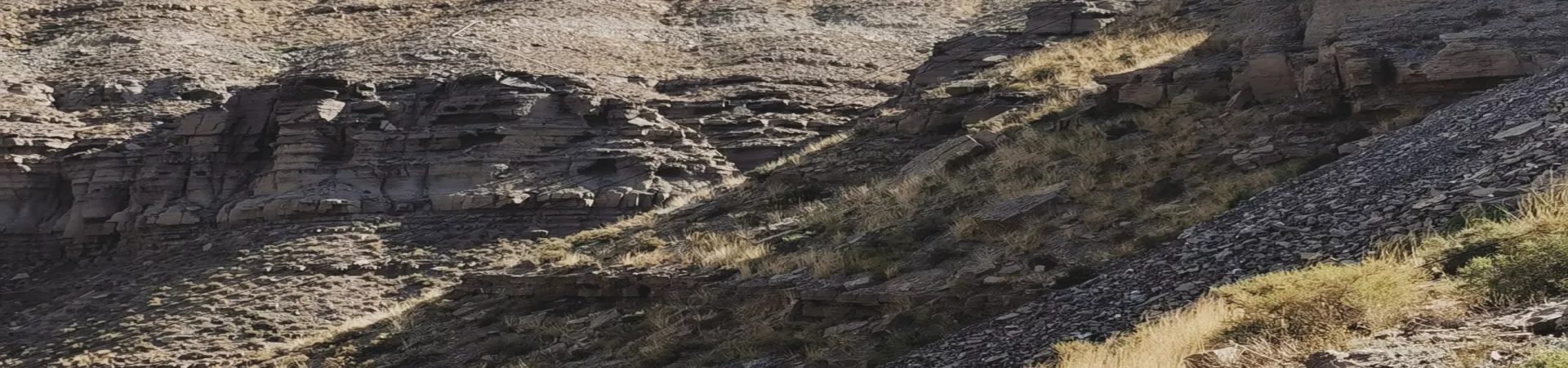
A Testament to Environmental Transformation The Gander Mountain project is fundamentally an ecological story. The surrounding slopes, once bare, are now a testament to large-scale desert control. The visible greenery is the result of extensive planting of drought-resistant species, soil improvement, and careful water management. This man-made ecosystem supports local wildlife and serves as a crucial green barrier for Wuhai, offering a real-time case study in sustainable development and environmental resilience.
Activities at the Base: Connecting with the Terrain The area surrounding the mountain base enhances the visitor experience with opportunities for immersive exploration: * Hiking and Trekking: Well-maintained trails of varying difficulty allow visitors to explore the foothills, experience the quiet of the desert-mountain interface, and observe the local flora up close. * The Gander Mountain Zoo: Located nearby, this facility focuses on species adapted to arid and semi-arid environments, including rare birds, Mongolian fauna, and other resilient animals, further emphasizing the region's unique ecology. * Cultural Performances: During tourist seasons, the site often hosts traditional Mongolian cultural performances, featuring throat singing, horse-head fiddle music, and dance, adding a layer of living culture to the historical narrative.
A Tapestry of Time: From Ancient Petroglyphs to Modern City The significance of Gander Mountain is deepened by its proximity to other historical sites. A short journey away lies the Zhuanshanzi Petroglyph site, where ancient rock carvings depict the lives, beliefs, and animals of prehistoric inhabitants. This ancient art stands in silent dialogue with the modern statue on the mountain, creating a tangible timeline of human expression in this rugged landscape. Meanwhile, the urban oasis of Wuhai city provides all necessary amenities, from comfortable accommodation to local cuisine featuring hearty Mongolian flavors like roasted mutton and milk tea, ensuring a comfortable base for exploration.
Practical Visitor Information
Planning Your Visit * Best Time to Visit: Late spring (May-June) and early autumn (September-October) offer the most pleasant temperatures. Summers can be hot, while winters are bitterly cold but offer stark, beautiful landscapes. * Accessibility: Wuhai is accessible by air (Wuhai Airport), train, and long-distance bus. The Gander Mountain scenic area is a short drive from the city center, accessible by taxi or tourist bus. * Ticket Information: A combined ticket typically covers cable car access, entry to the summit square, and admission to the Genghis Khan Statue Museum. It is advisable to check the latest prices and opening hours in advance, as they may vary seasonally. * On-Site Considerations: The high desert environment demands preparation. Sun protection (hat, sunglasses, high-SPF sunscreen), ample water, and comfortable walking shoes are essential. The summit can be windy and significantly cooler than the base, so carrying a layer is recommended.
Gander Mountain ultimately presents a multifaceted experience. It is a place of physical ascent and visual spectacle, a classroom of history and ecology, and a symbol of transformation. It challenges the common perception of a desert as empty space, revealing instead a landscape filled with layers of natural power, ancient history, and contemporary vision. A visit here is not just a sightseeing trip; it is an engagement with a story of earth, water, human perseverance, and enduring legacy.