Lishui Ancient Street
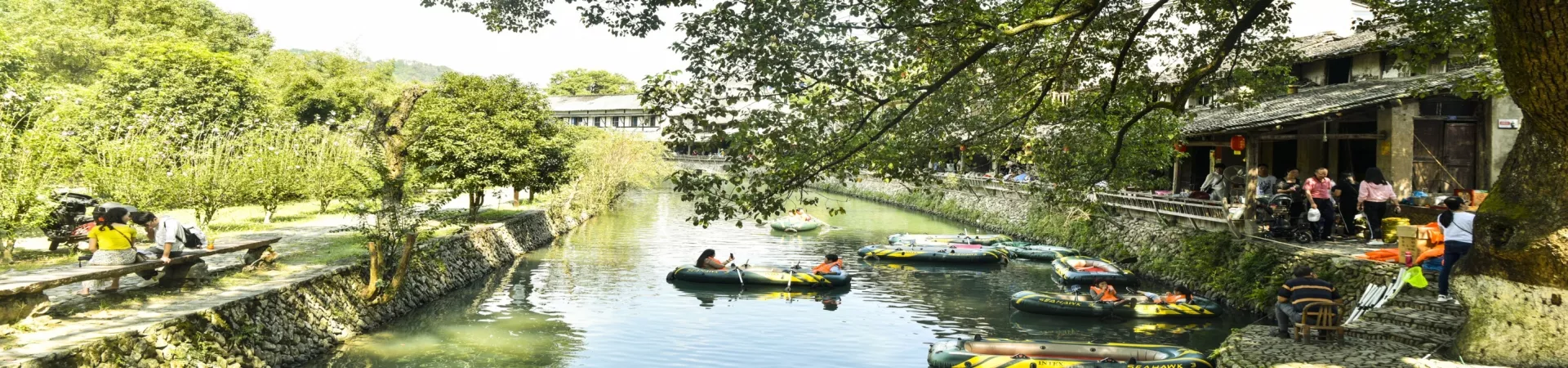
Subtitle: A Journey Through Time: Lishui Ancient Street, a Living Testament to Yongjia's History and Commerce
Introduction: Where History Meets the Hustle and Bustle
Nestled on the eastern fringe of Yantou Village in Yongjia County, Wenzhou, Zhejiang Province, lies the Lishui Ancient Street. More than just a picturesque lane for tourists, it is a vibrant artery that pulses with centuries of local history, ingenious civic planning, and enduring commercial spirit. What visitors stroll today is a beautiful paradox—a bustling commercial hub built upon the foundations of a Ming Dynasty public works project strictly intended for leisure and aesthetics, not trade. This seamless blend of serene historical ambiance and lively local commerce defines the unique charm of Lishui Street, offering a captivating window into the region's cultural and social evolution.
1. From Functional Embankment to Commercial Hub: The Historical Transformation
The story of Lishui Street begins not with shops, but with water and community foresight. Its foundation is the ancient water-retaining embankment, constructed during the Jiajing reign of the Ming Dynasty (1522-1566). This structure was crucial for water management and irrigation for the village. Reflecting the strong influence of local clan rules, it was decreed that this embankment was to remain a public promenade dedicated to beauty and relaxation; only the planting of flowers and trees and the construction of pavilions were permitted. Commercial construction was explicitly forbidden.
This historical edict shaped the character of the space for generations. However, as time progressed, the strategic location and the natural gathering of people along this scenic route inevitably led to a gradual transformation. The original strictures gave way to practical needs, and the Lishui Street we see today emerged. It stands as a fascinating case study of how community spaces organically evolve, adapting from purely utilitarian and aesthetic purposes into vibrant centers of economic and social activity while still retaining the graceful footprint of their origins.
2. Exploring the Street: Architecture, Pavilions, and Panoramas
Stretching approximately 300 meters, the present-day Lishui Street is the largest commercial street in Yantou Village, hosting over 90 storefronts. A defining and thoughtful architectural feature is the continuous, sheltering eaves that run along the shops. These were designed to provide cover for pedestrians from both the summer sun and the region's frequent rain, showcasing a considerate design philosophy that prioritized public comfort—a principle extending from its earliest days.
The southern terminus of the street is anchored by the old village gate (Zhaimen) in the defensive wall. Here, on a high platform, sits the Chenfeng Ting (Ride-the-Wind Pavilion), a perfect spot to catch a breeze and observe the flow of daily life. Merely 50 meters away, the Jieguan Ting (Greet-the-Official Pavilion) commands attention. This pavilion, with its double-eaved, pyramidal roof (zuan ding), exudes a sense of朴素庄重 (pǔ sù zhuāng zhòng)—simple yet dignified solemnity. It historically served as a formal welcome point for visiting magistrates and officials.
Connecting these two historic pavilions is the elegant Lishui Ancient Bridge. This bridge is not merely a crossing; it is the centerpiece of the street's scenery, perfectly framing views of the old architecture, the water, and the lively human tapestry. It symbolizes the link between the street's ceremonial past and its commercial present, adding an indispensable layer of picturesque beauty to the entire setting.
3. Practical Information for the Visit
To fully appreciate Lishui Ancient Street, planning your visit with the following practical details in mind is essential.
3.1. Location and Transportation Lishui Ancient Street is located in Yantou Village, Yongjia County, under the jurisdiction of Wenzhou City. The most convenient public access is by bus. * Primary Route: Take the Yantou Community Bus Line 1 or Line 2 and alight at the "Lishui Street East Entrance (Jinnan Road)" bus stop. The street is within easy walking distance from this stop.
3.2. Admission Fees and Opening Hours The street operates with standard visiting hours and a modest admission fee, with discounts available. * Standard Ticket: 15 RMB per adult. * Concessional Tickets (Half-price): Available for children with a height between 1.2m and 1.5m, seniors aged 60 to 69 (with valid ID), and university students (with a valid student card). * Free Admission: Granted to children under 1.2m tall and seniors aged 70 and above (with valid ID). * Important Note: All ticket information is for reference. It is always advisable to check for any updates or changes with the scenic area on the day of your visit. * Opening Hours: The street is open daily from 8:00 AM to 6:00 PM, with last entry also at 6:00 PM.
3.3. Suggested Duration A thorough exploration of Lishui Street, including leisurely walks, shopping, visiting the pavilions, and photography, typically requires 1 to 3 hours. This allows time to absorb the atmosphere without feeling rushed.
4. The Modern Experience: Shopping and Local Flavors
While deeply historical, Lishui Street thrives as a center for contemporary local life and commerce. The approximately 90 shops lining the street offer a wide array of goods, from daily necessities to handicrafts and souvenirs. A key highlight for visitors is the presence of a dedicated tourist shopping center. This center specializes in selling authentic local products and specialties from the Nanxi River area. Here, one can find agricultural products, traditional snacks, handmade arts, and other unique items that serve as perfect mementos of the trip or gifts for friends and family. This commercial aspect allows visitors to directly engage with and support the local economy, taking a tangible piece of Yongjia's culture home with them.
From its inception as a regulated embankment to its current status as a beloved market street, Lishui Ancient Street offers a multi-layered experience. It is a place where one can touch the weathered stones of Ming Dynasty pavilions, stroll under protective eaves designed centuries ago, cross a graceful ancient bridge, and finally, immerse in the lively hum of modern local commerce—all within a single, captivating 300-meter journey.