Furong Ancient Village
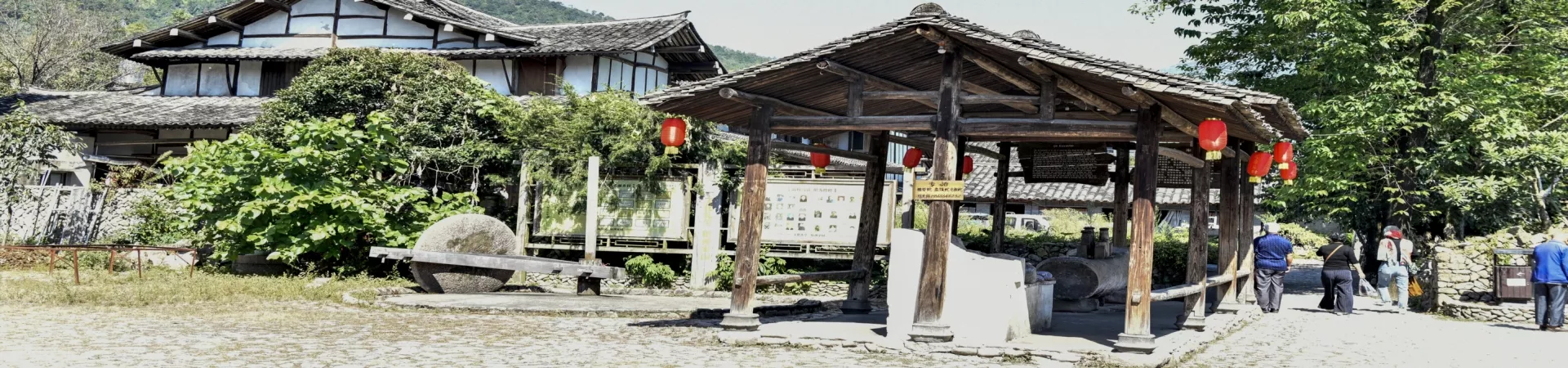
Subtitle: A Living Fortress of Clan and Culture in the Heart of Nanxi River Valley
1. Introduction: The Stone-Walled Citadel of a Thousand Years Nestled on the western bank of the middle reaches of the serene Nanxi River, approximately one kilometer south of Yantou Village, lies Furong Ancient Village (Furong Gucun). This is not merely a scenic spot but a profound, living chronicle of Chinese clan history and Ming-Qing vernacular architecture. Founded over a millennium ago during the Song Dynasty's Taiping Xingguo era (circa 976-984 AD) by its progenitor, Chen Gong, who migrated from Ruian, the village evolved into a tightly-knit, single-surname settlement. The Chen clan has inhabited and shaped this space for generations, creating a remarkable example of a preserved, self-contained, blood-based community. The village's poetic name, "Furong," meaning "Hibiscus," was inspired by the three majestic peaks southwest of the settlement. These cliffs, with their striking reddish and white hues against the sky, were said by ancient observers to resemble the elegant blossom of a hibiscus flower, thus bestowing a timeless identity upon the village below.
2. Layout and Fortifications: A Planned Defensive Masterpiece What makes Furong Village truly exceptional is its extraordinarily intact layout, reflecting a cohesive defensive and social plan conceived over six centuries ago. The entire community presents itself as a slightly square, walled citadel, strategically oriented east-west.
2.1. The Protective Embrace: The Rampart Walls Encircling the village is a formidable, roughly 2,000-meter-long defensive curtain constructed from local cobblestones, standing about two meters high. This impressive rampart transforms the settlement into a compact, fortified castle, designed to protect the clan and their wealth from the turmoil of past eras. Walking alongside these weathered stone walls immediately transports visitors back to a time when such fortifications were essential for survival and prosperity.
2.2. The Internal Order: Streets, Ponds, and Spatial Harmony Within the protective walls, the village layout follows a deliberate, symmetrical plan centered around a key water feature. The internal structure is a testament to traditional Chinese geomancy (Feng Shui) and communal living principles.
3. Architectural Heritage: Treasures Within the Walls Spanning an area of 215 acres and housing 443 households today, Furong is an open-air museum of ancient Chinese residential architecture. The village safeguards a rich collection of historical structures that narrate the Chen clan's social and cultural evolution.
3.1. Residential Grandeur: Ming and Qing Dynasty Dwellings More than 30 well-preserved ancient residences from the Ming (1368-1644) and Qing (1644-1912) dynasties dot the village lanes. These compounds, with their characteristic black-tiled roofs, ornate wooden carvings, brickwork, and courtyard designs, showcase the aesthetic preferences and craftsmanship of their eras. Additionally, the sites of five large Ming-era mansion foundations hint at the former scale and wealth of the community's leading families.
3.2. The Heart of Clan Life: The Ancestral Halls The spiritual and administrative core of this single-surname village is embodied in its astonishing 18 large and small ancestral halls (citang). These halls served as the focal points for worship, social organization, dispute resolution, and ceremonial gatherings. The most significant among them, the Chen Clan Ancestral Hall, stands as a monumental symbol of lineage continuity, featuring intricate woodwork and ceremonial spaces. These halls are not relics but have been, and often still are, active centers for clan activities, maintaining the living thread of tradition.
4. Practical Information for Visitors To fully appreciate the timeless atmosphere of Furong, it is best visited during daylight hours when the play of light on stone and wood accentuates its ancient beauty.
4.1. Admission Fees The village offers several ticketing options to suit different itineraries: * Furong Ancient Village Single Ticket: 20 RMB. * Discounted Single Ticket: 15 RMB (may apply under certain conditions; verification on-site is recommended). * Combined Area Ticket (Highly Recommended): For 40 RMB, this ticket includes entry to Furong Ancient Village, the picturesque Lishui Street in Yantou, and Cangpo Ancient Village. This combination provides a comprehensive insight into the diverse settlement patterns and cultures of the Nanxi River basin. This combined ticket is valid for two days, allowing for a relaxed and thorough exploration.
4.2. Opening Hours The village is open to visitors daily throughout the year. * Operating Hours: 09:00 - 17:00. * Last Admission: Entry is permitted until 17:00. It is advisable to arrive with sufficient time to explore the lanes and compounds at a leisurely pace before closing.
Wandering through Furong's cobbled lanes, past its serene ponds, and under the eaves of its ancestral halls, one walks through a continuum of history. It is a place where the architectural genius of ancient planning, the enduring strength of clan identity, and the serene landscape of the Nanxi River converge, offering a profound and authentic glimpse into China's enduring cultural heritage.