Qinglong Mountain
Subtitle: A Comprehensive Guide to Qinglong Mountain in Wenshan: Landscapes, Caves, and Practical Tips
1. Introduction and Overview Nestled in the heart of Wenshan Prefecture, Yunnan Province, Qinglong Mountain (Green Dragon Mountain) stands as a majestic natural monument within the famed Puzhehei Scenic Area. With its principal peak reaching an elevation of 1,555.8 meters, it forms a profound and culturally significant topography with the southern Fenghuang Mountain (Phoenix Mountain). This geographical pairing is traditionally interpreted as a "Dragon and Phoenix Bringing Prosperity," an auspicious configuration deeply rooted in Chinese mythology that symbolizes harmony and good fortune. The mountain is far more than a scenic backdrop; it is a dynamic destination offering a compelling blend of panoramic vistas, geological wonders, and serene lakeside beauty, serving as a perfect microcosm of the region's karst landscape.
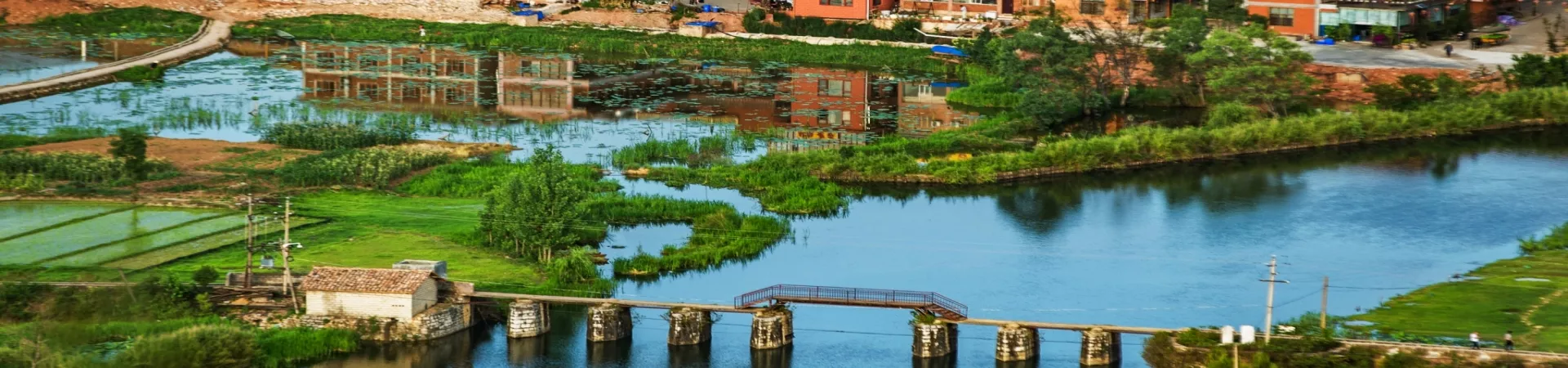
2. Natural Wonders and Key Attractions 2.1. The Panoramic Vista The primary draw for most visitors is the breathtaking, unobstructed view from the mountain's vantage points. The climb to strategic lookouts is rewarded with a spectacular bird's-eye view of the entire Puzhehei basin. Below, a mesmerizing tapestry unfolds: the sapphire-blue waters of the lake snake through the land, dotted with countless limestone hills and islets, while traditional villages and farmland patchwork the valleys. This location is universally acclaimed as the premier spot within the Puzhehei area to witness both sunrise and sunset. At dawn, the first rays of light paint the mist-covered peaks and water in ethereal hues of gold and orange. At dusk, the setting sun casts a warm, fading glow over the landscape, creating a scene of profound tranquility.
2.2. The Mysterious Karst Cave System Qinglong Mountain's limestone composition has given birth to a fascinating network of karst caves, each adding a layer of mystery and adventure to the visit. The mountain is known to house at least eight explored溶洞 (róngdòng, solutional caves), including the notable Huobao Shi Dong (Torch Stone Cave), Yueliang Dong (Moon Cave), and Zhangzui Shi Dong. These subterranean worlds are adorned with classic karst formations such as stalactites, stalagmites, stone curtains, and flowstones, illuminated in subtle colors that highlight their ancient, sculpted beauty. The most intriguing feature of some caves is their unique hydrological connection to the Puzhehei Lake. Certain cave entrances lie at the water's edge or even below it, creating a mysterious portal where the terrestrial realm of the mountain meets the aquatic world of the lake. This interface sparks the imagination, suggesting hidden, water-filled passages and adding an element of unexplored secrecy to the site.
3. Practical Visitor Information 3.1. Admission and Operating Hours Access to the Qinglong Mountain scenic area requires an entrance ticket. The standard admission fee is set at 32 Chinese Yuan (RMB) per person. It is advisable to check for any potential discounts for students, seniors, or children, and to confirm if this fee is inclusive of access to specific cave attractions or if those require separate tickets. The mountain is open to visitors daily throughout the year. The operating hours are from 08:00 in the morning until 16:30 in the afternoon. A critical point for visitors to note is that the last admission or "stop entry" time is strictly enforced at 16:30. Planning your arrival well before this cutoff is essential to ensure you have ample time for the ascent, exploration, and descent.
3.2. Recommended Visit Duration and Planning To fully appreciate what Qinglong Mountain has to offer—including a moderately paced hike to the summit, time spent enjoying the panoramic views, and potentially exploring one of the more accessible caves—a visit typically requires between 1 to 3 hours. This duration can vary significantly based on individual fitness levels, hiking speed, crowd density, and the depth of exploration. For the optimal experience, it is highly recommended to schedule your visit to coincide with either sunrise or sunset. This requires careful planning regarding transportation and start times, especially for sunrise, which involves a very early morning hike in darkness (a flashlight or headlamp is necessary). Regardless of the time, visitors should wear sturdy, comfortable walking shoes with good grip, as the paths, while generally established, can include stone steps and uneven surfaces. Carrying water, sun protection (hat, sunscreen), and a light jacket for potential wind at the summit is also prudent.
4. Cultural and Experiential Context Beyond its physical attributes, a visit to Qinglong Mountain is an immersion into a landscape charged with cultural meaning. The "dragon and phoenix" alignment with the neighboring mountain is not merely a tourist label but a reflection of a traditional worldview that sees harmonious patterns in nature. This perspective enriches the visual experience, inviting contemplation on the relationship between the land and local folklore. The mountain also functions as the perfect orientation point for a wider exploration of Puzhehei. The comprehensive view from the top helps visitors understand the layout of the entire lake system, the distribution of villages, and the scale of the karst formations, thereby enhancing subsequent activities such as boat tours, cycling around the lakeshore, or visits to local ethnic communities. It is a place where natural grandeur, geological intrigue, and cultural resonance converge, offering a multifaceted and memorable highlight of any trip to the Wenshan region.