Qingzhou Yunmen Mountain
Subtitle: A Journey Through Mist and Myth: Unveiling the Ethereal Beauty of Mount Yunmen
I. An Introduction to Mount Yunmen: More Than a Mountain
Rising with an almost deceptive modesty to an altitude of approximately 421 meters, Mount Yunmen stands as a serene sentinel roughly 2.5 kilometers south of Qingzhou City in Shandong Province. Do not let its humble stature fool you. This mountain, honored as one of Shandong's first provincial-level scenic areas in 1985 and now holding the prestigious national AAAAA tourist attraction and National Scenic Area titles, has captivated poets, pilgrims, and travelers for centuries. Its unique charm lies not in sheer height, but in its profound presence. Described poetically as "a jade tablet rising from the plain, its feet shrouded by pine shadows," Mount Yunmen possesses a majestic aura that belies its physical dimensions, earning its enduring reputation as a celebrated peak of central Shandong.
The mountain's soul and namesake is the breathtaking natural spectacle that occurs around its summit. The main peak, known as Dayunding (Great Cloud Summit), is pierced by a remarkable cave that tunnels from north to south. From a distance, this arch appears like a luminous mirror suspended high against the sky. However, its true magic is revealed during the humid summer and autumn months. As moist air gathers, thick, rolling banks of fog and cloud sweep across the mountain, often streaming directly through the cavernous opening. This creates the unforgettable illusion of turbulent, silvery waves cascading through a celestial gate. Ancient temples perched atop the peak seem to float ethereally upon this sea of mist, appearing and disappearing in a dreamlike dance. This otherworldly phenomenon, a perfect fusion of geology and climate, is the legendary "Cloud Gate" or "Yunmen," from which the mountain derives its name and its fame as a "Cloud Gate Wonderland."
II. Planning Your Visit: Practical Information
To fully immerse yourself in the tranquility and wonder of Mount Yunmen, planning for a full day is highly recommended. This allows ample time for the ascent, exploration of cultural sites, contemplation of the views, and the hopeful anticipation of witnessing the iconic cloud spectacle, which is most likely in the warmer, wetter months.
1. Admission Fees and Operating Hours The mountain is accessible year-round, welcoming visitors from 7:00 AM to 6:00 PM daily. The admission fee structure is seasonal, designed to reflect peak visitor periods.
- General Peak Season (March through November): The standard ticket price is 60 RMB.
- Summer Discount Period (June 1st - September 30th): A special promotional pricing is often in effect during the summer months. On weekdays (Monday to Friday), the ticket price remains 60 RMB. On weekends (Friday to Sunday) and public holidays within this period, the price is reduced to 30 RMB.
- Off-Peak Season (December through February): Lower rates typically apply, though it is always best to confirm the current price during these quieter months.
Please note: All ticket information is provided as a general reference. Schedules and pricing are subject to change, and it is strongly advised to verify the latest details through official channels before your visit.
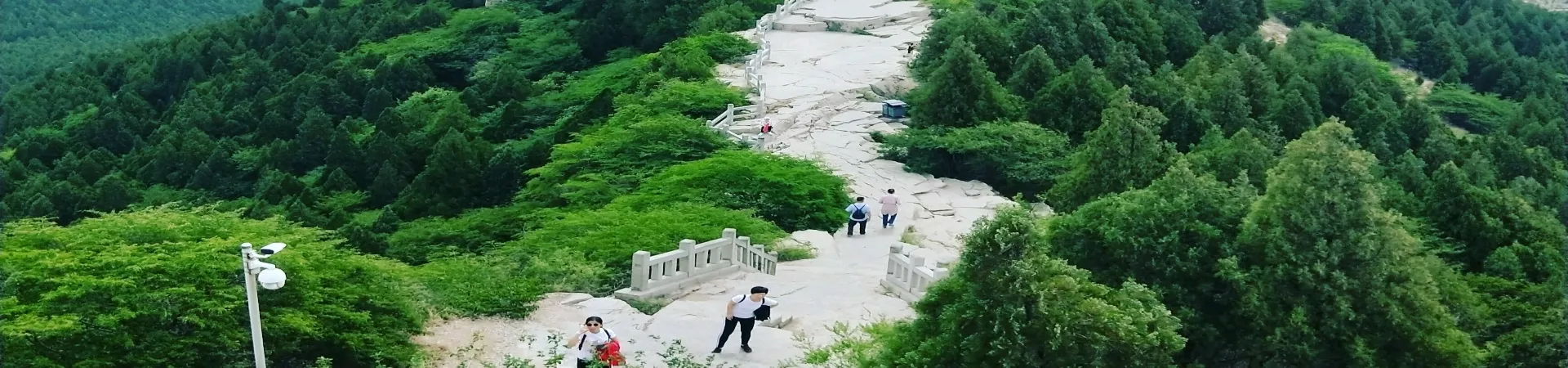
2. Navigating the Experience: Trails and Temples The climb to the summit is a journey through both natural beauty and layered history. Well-maintained stone pathways wind upwards through dense, ancient pine forests, offering shade and a sense of serene isolation. Along the route, you will encounter cultural treasures that speak to the mountain's spiritual significance.
III. Cultural and Natural Highlights on the Ascent
A. The Path of Carvings and Devotion The mountainside itself serves as a vast canvas of Buddhist devotion. Scattered along the trails are numerous niches and cliff faces adorned with stone Buddha statues and intricate inscriptions, some dating back centuries. These silent sentinels create an atmosphere of quiet reverence, reminding visitors of the mountain's long history as a site of worship and contemplation.
B. Summit Rewards: The Gate and Beyond Reaching the top is rewarded with two primary marvels. First, of course, is the legendary Cloud Gate cave. Walking through this natural archway, especially when breezes channel through it, is a exhilarating experience. The view from the other side frames the landscape below in a perfect, living picture. Secondly, clustered around the summit are several historic temples and pavilions. These structures, often shrouded in the very mists that define the mountain, seem to exist between heaven and earth. They house ancient steles, incense burners, and artifacts, offering a tangible connection to the generations of monks and pilgrims who have sought enlightenment in this misty realm.
IV. The Essence of the Yunmen Experience
A visit to Mount Yunmen is more than a simple hike; it is an engagement with a living landscape deeply rooted in Chinese aesthetic and spiritual tradition. It is about the anticipation of watching weather transform rock and air into theater. It is the physical act of climbing through quiet forests towards a known destination, yet never knowing precisely what atmospheric conditions await at the top. The mountain perfectly embodies the classical Chinese appreciation for understated beauty—where a lower peak can inspire greater awe through its form, its context, and the poetic phenomena it hosts. Whether you are a photographer waiting for the perfect shot of clouds pouring through the gate, a history enthusiast tracing ancient carvings, or a traveler simply seeking a place of profound peace and natural wonder, Mount Yunmen offers a uniquely captivating and serene encounter.