World Kite Museum of WeiFang
Subtitle: A Journey Through the Sky: Exploring the Weifang World Kite Museum
Introduction: The Cradle of Kite Culture
Nestled in the city of Weifang, Shandong Province, renowned globally as the "Kite Capital of the World," the Weifang World Kite Museum stands as a premier institution dedicated to the art, history, and science of kites. Far more than a simple collection of artifacts, it serves as a vibrant cultural nexus, preserving millennia of tradition while fostering international exchange. The museum's comprehensive collection and insightful exhibits eloquently narrate the story of the kite, from its ancient Chinese origins to its status as a worldwide symbol of creativity and joy. It is not merely a place to view objects but an immersive experience into a unique cultural heritage that continues to captivate hearts and minds across the globe.
1. Architectural Presence and Location
Strategically located within the vibrant Kite Square, the museum's architecture itself is a nod to its theme. Its distinctive design often incorporates elements that evoke the grace and structure of a giant kite in flight. This prime location makes it the cultural centerpiece of Weifang, especially during the city's famed annual International Kite Festival, when the skies above become a living extension of the museum's exhibits below.
2. The Core Collection: A Global Tapestry in Flight
The museum's true wealth lies in its vast and meticulously curated collection, which forms one of the world's most extensive assemblies of kite-related artifacts.
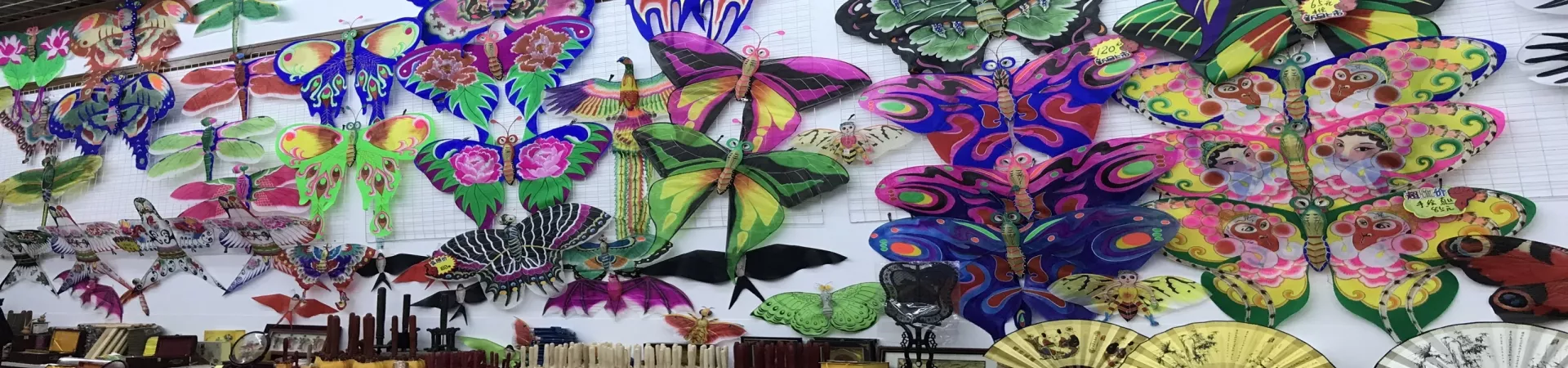
2.1. Historical Roots and Chinese Mastery The journey begins with the genesis of the kite in ancient China, over 2,400 years ago. Exhibits showcase exquisite replicas and historical depictions of early kites made from silk and bamboo, used for military signaling, measurement, and communication. The evolution into an artistic and folkloric pursuit is vividly displayed through traditional Chinese kites from various schools, most notably the Weifang style. These kites are celebrated for their meticulous craftsmanship, bold yet harmonious colors, and rich symbolic imagery drawn from Chinese mythology, folklore, and nature—such as soaring eagles, delicate butterflies, majestic dragons, and scenes from classical operas.
2.2. International Wings: Kites of the World Beyond Chinese borders, the museum proudly presents a global panorama of kite culture. This section features traditional and contemporary kites from across Asia, Europe, the Americas, and beyond. Visitors can admire the simple elegance of Japanese Rokkaku fighting kites, the intricate patchwork designs of Indonesian kites, the innovative aerodynamic forms of modern American stunt kites, and the giant character kites of Thailand. This diverse array highlights the universal human fascination with flight and the unique cultural interpretations of the kite.
2.3. Technical Marvels and Thematic Displays The museum delves into the science and variety of kite design. Explanatory displays detail the principles of aerodynamics that allow kites to fly, categorizing them by structure such as flat, bowed, box, and parafoil kites. Special thematic exhibitions might feature miniature kites, kite-making tools through the ages, historical photographs of kite festivals, and precious literary or artistic works inspired by kites. A particularly fascinating section is often dedicated to "Giant Kites," showcasing the engineering marvels that require teams of people to launch and control.
3. Practical Information for Visitors
3.1. Admission and Opening Hours Admission to the Weifang World Kite Museum is free of charge. However, visitors are required to obtain an entry ticket by presenting a valid identification document (such as a passport or Chinese ID card) at the ticket counter. This "free but ticketed" policy helps manage visitor flow. The museum is open from 9:00 AM to 5:00 PM, Tuesday through Sunday, with the last admission at 4:30 PM. It is closed to the public on Mondays for maintenance. These hours apply throughout the year, though it is always advisable to confirm ahead of any public holiday visits.
3.2. Getting There The museum is highly accessible by public transportation. Visitors can take Weifang city buses routes 10, K10, 29, 48, or the Circular Route 62 (both clockwise and counterclockwise directions) and alight at the "Kite Square East Gate" bus stop. From there, it is a short and straightforward walk to the museum entrance. Taxis and ride-hailing services are also readily available throughout the city.
3.3. Suggested Duration and Experience To fully appreciate the depth and breadth of the exhibits, a visit of approximately 1 to 3 hours is recommended. The layout is typically designed for a logical, flowing exploration. For a more engaging experience, consider timing your visit to coincide with the Weifang International Kite Festival (usually in late April), when the museum and the surrounding square are at the heart of spectacular festivities. The on-site gift shop offers a range of souvenirs, from small, affordable paper kites to exquisite collectible pieces, allowing you to take a piece of this aerial art home.
4. The Museum's Role: More Than an Exhibition Space
The Weifang World Kite Museum transcends its role as a custodian of history. It functions as a dynamic center for cultural exchange and education. It hosts international kite forums, workshops on kite making and painting for both children and adults, and academic research into kite history and technology. By doing so, it actively participates in the living evolution of kite culture, ensuring that this ancient art form remains relevant and inspiring for future generations. It stands as a testament to Weifang's enduring legacy and its ongoing dialogue with the world through the universal language of flight.
Information last updated: September 2023.