Qingzhou Song City
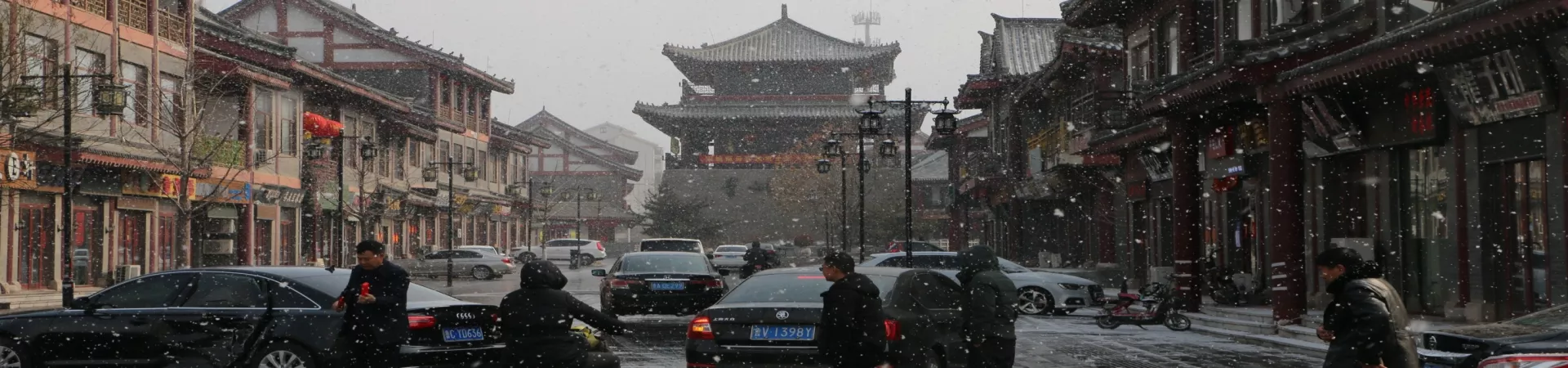
Subtitle: A Living Chronicle of the Song Dynasty in Qingzhou, Weifang
Introduction: Stepping into a Millennial Dream
Nestled within the ancient city of Qingzhou, a pivotal historical and cultural hub in Weifang, Shandong Province, lies the Qingzhou Song Dynasty City (青州宋城). More than a mere tourist attraction, it is an ambitious, large-scale cultural and tourism complex meticulously crafted to resurrect the grandeur, prosperity, and everyday vibrancy of China's Song Dynasty (960-1279 AD). This "city within a city" is not built upon original archaeological ruins but is a thoughtful contemporary reconstruction, designed to immerse visitors in the aesthetic ideals, commercial spirit, and artistic zenith of one of China's most culturally sophisticated eras. For the modern traveler, it offers a unique, multi-sensory journey back in time, where history is not just observed but experienced through architecture, performance, craft, and culinary tradition.
Architectural Philosophy and Spatial Layout: A Blueprint of Song Aesthetics
The design of Qingzhou Song City is deeply rooted in the architectural principles and urban planning sensibilities documented from the Song period, particularly drawing inspiration from the famous panoramic painting Along the River During the Qingming Festival.
2.1 Adherence to Historical Authenticity: The complex avoids ostentatious, palatial styles. Instead, it embraces the elegant simplicity and refined proportionality characteristic of Song architecture. Structures predominantly feature wooden beam-frame construction, sweeping upturned eaves with unadorned tiles, and a harmonious color palette of dark grey, white, and earthy browns. The layout mimics a bustling Song dynasty market town, with meandering cobblestone streets, stone arch bridges crossing serene water channels, and a logical separation of commercial, cultural, and scenic zones.
2.2 Key Zones and Landmarks: The city is strategically divided into thematic areas. The central axis often features a grand city gate tower and a main thoroughfare lined with shops and inns. This leads to a central square that hosts performances. Waterfront pavilions and corridors offer tranquil spaces for reflection beside ponds, while designated craft workshops and temple areas provide deeper dives into specific cultural practices. The integration of water elements throughout is a deliberate nod to the canal-based prosperity of Song cities.
The Core Visitor Experience: A Tapestry of Culture, Commerce, and Craft
A visit to Qingzhou Song City is an active engagement with re-enacted history. The experience is designed to be dynamic, catering to interests ranging from historical curiosity to simple leisure.
3.1 Immersive Street Life and Performances: The streets are the stage. At any moment, visitors might encounter costumed performers portraying scholars, merchants, soldiers, and common folk. Scheduled street performances are a major highlight, including traditional Song music played on ancient instruments, elegant classical dances, mesmerizing acrobatics, and short theatrical sketches depicting historical tales or folk stories. These impromptu and scheduled shows breathe life into the architectural setting.
3.2 Artisanal Workshops and Interactive Crafts: Beyond passive viewing, the city offers hands-on cultural encounters. Various workshops open their doors to demonstrate and teach traditional arts that flourished during the Song Dynasty.
- 3.2.1 Calligraphy and Ink Painting: Masters showcase the quintessential Song arts of brush calligraphy and ink wash painting, often allowing visitors to try their hand under guidance.
- 3.2.2 Pottery and Ceramics: Given the era's fame for iconic celadon and early Qingbai ware, pottery demonstrations pay homage to this legacy.
- 3.2.3 Silk Weaving and Embroidery: Demonstrations of intricate silk weaving and embroidery techniques highlight the advanced textile industry of the period.
- 3.2.4 Dough Figurine and Sugar Painting: Folk artists create delicate figurines and edible art, representing the popular street crafts enjoyed by Song people.
3.3 Culinary Journey: Tasting History: No immersion is complete without food. The city's eateries and snack stalls are themed to offer flavors from the Song era. While modern adaptations exist, the focus is on traditional recipes, local Shandong delicacies, and street food styles that would have been familiar a millennium ago. Visitors can savor steamed buns, noodles, various baozi, roasted meats, and sweet pastries, often enjoyed in settings replicating ancient taverns or tea houses.
3.4 Souvenirs and Antique Curios: Numerous shops sell curated souvenirs, from high-quality reproductions of Song porcelain and calligraphy supplies to handmade crafts, traditional clothing, and unique antiques. It's an opportunity to take a tangible piece of the cultural atmosphere home.
Practical Information for Planning Your Visit
To ensure a smooth and enjoyable experience, here are the essential logistical details.
4.1 Admission and Fees: Qingzhou Song City operates on a free open-door policy. There is no entrance fee to access the main streets, architectural complexes, and enjoy the general atmosphere and street performances. This makes it an exceptionally accessible destination. However, it is important to note that some specific interactive workshops, special exhibitions, or scheduled theatrical shows within the complex may charge a separate, optional fee.
4.2 Operating Hours: The scenic area is open all day, every day of the year. This 24/7 access policy (全天开放, 1月1日-12月31日 周一-周日) provides maximum flexibility. The character of the city changes dramatically from day to night. Daytime offers the best light for appreciating architectural details and watching craft demonstrations. Evenings are magical, as the buildings are illuminated by traditional-style lanterns, creating a serene and picturesque atmosphere, with night performances often adding a different ambiance.
4.3 Optimal Timing and Visit Duration: While accessible anytime, the most vibrant experience is during the day, especially on weekends and Chinese public holidays, when the full roster of performances and activities is typically scheduled. To fully explore the lanes, watch a couple of performances, visit workshops, and dine at leisure, a visit of 3 to 5 hours is recommended. Combining the trip with a visit to the nearby, authentic ancient streets of Qingzhou or the magnificent Qingzhou Museum (home to renowned Buddhist statues) is highly advisable for a complete historical perspective.
4.4 Location and Accessibility: Qingzhou Song City is situated in the eastern part of Qingzhou's urban area, easily reachable by taxi or public bus from the city center. Qingzhou itself is well-connected by high-speed rail and highway to Jinan, Qingdao, and the wider Shandong network. For international travelers, flying into Qingdao Liuting International Airport or Jinan Yaoqiang International Airport followed by a train or car journey to Qingzhou is the most efficient route.