Qingzhou Museum
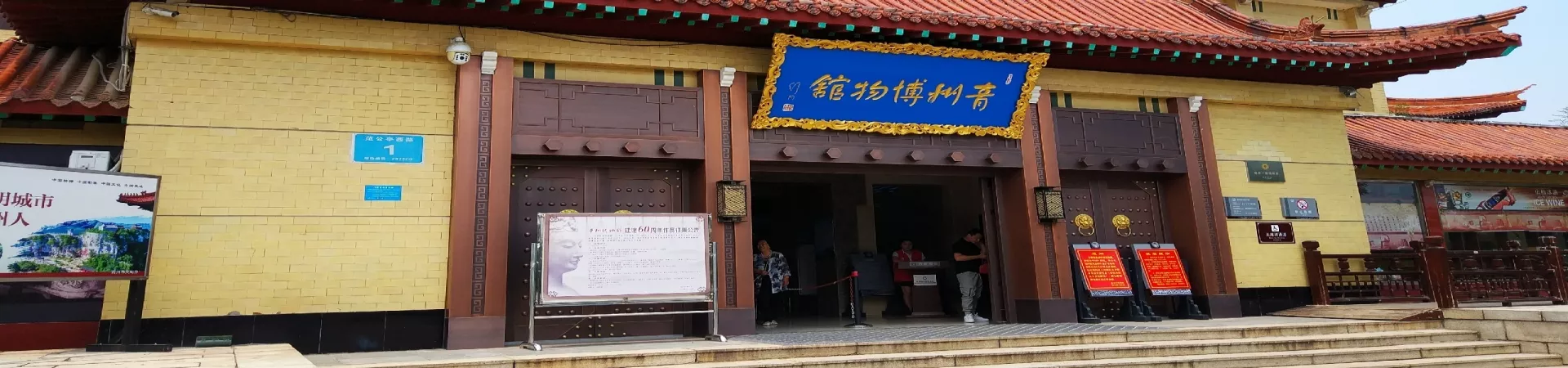
Subtitle: A Journey Through Time at China's Premier County-Level Museum
I. Introduction: A Crown Jewel in Qingzhou
Nestled in the historic city of Qingzhou, Weifang, the Qingzhou Museum stands as a monumental testament to China's profound and layered cultural heritage. Far exceeding the typical scale and scope of a regional institution, it is widely celebrated as the "Little Grand Museum," a title that hints at the national significance of its collections within a county-level framework. While this description historically refers to its former building, the museum now resides in a new, purpose-built facility, offering a modern and expansive home for its treasures. This new chapter enhances the visitor experience, allowing the vast collection to be displayed with the sophistication it deserves. More than just a repository of artifacts, the museum serves as a comprehensive geographical and historical compass, guiding visitors through the millennia-old narrative of the Qingzhou region, from its pivotal role in ancient politics and economics to its enduring spiritual and artistic achievements.
II. Architectural Grandeur and Visitor Essentials
A. The New Architectural Vision Although the classic description of "lofty eaves and resplendent gold" more accurately depicted the former museum's traditional Chinese architectural complex, the new museum building is designed to harmonize modernity with cultural reverence. It provides a state-of-the-art, spacious, and accessible environment tailored for both preservation and education. The focus has shifted from external classical imitation to creating optimal internal conditions for showcasing history.
B. Practical Information for Your Visit * Opening Hours: The museum is open from 09:00 to 17:00, Tuesday through Sunday, with last admission at 16:30. It is closed every Monday, except for national statutory holidays. * Admission Policy: Entrance to the museum is completely free, making this world-class collection accessible to all. * Recommended Duration: To fully appreciate the depth and breadth of the exhibits, a visit of 1 to 3 hours is advisable.
III. The Collections: A Treasure Trove of National Importance
The true majesty of the Qingzhou Museum lies within its walls, where a staggering collection of over 20,000 cultural relics awaits. It is renowned as the largest, most diverse, and richest county-level museum in China. The collections are meticulously categorized, offering a systematic journey through time and artistry.
A. The Unrivaled Buddhist Sculptures The museum's most celebrated and awe-inspiring holdings are its ancient Buddhist statues, particularly those from the Northern Wei (386-535 AD) through Northern Qi (550-577 AD) dynasties.
- The Qingzhou Style: This period represents a golden age of Buddhist art in China. The sculptures discovered here exhibit a unique aesthetic known as the "Qingzhou style," characterized by serene, graceful facial expressions, elegant, flowing garments, and a remarkable sense of ethereal beauty and spiritual tranquility.
- Historical Significance: Many of these statues were found carefully buried in a hoard, likely to protect them from periods of imperial persecution of Buddhism. Their exceptional state of preservation, with traces of original gilding and pigment, offers an unparalleled glimpse into the devotional art and spiritual life of medieval China. This collection is not merely a highlight of the museum but is considered a cornerstone of Chinese Buddhist art history.
B. A Panorama of Historical Artifacts Beyond the Buddhist masterpieces, the museum's holdings provide a comprehensive material record of the region.
- Ancient Ceramics and Porcelain: The collection features exquisite examples from various dynasties, including delicate celadon from the Song Dynasty and vibrant, painted wares from later periods, illustrating the evolution of ceramic technology and design.
- Bronze Ware and Ancient Jade: Ritual vessels, weapons, and tools from the Bronze Age demonstrate early technological sophistication and social hierarchy. A collection of ancient jade artifacts, from ceremonial implements to personal adornments, reflects the deep cultural value placed on this precious stone.
- Calligraphy, Paintings, and Ming-Qing Porcelain: The museum preserves fine examples of classical Chinese calligraphy and landscape painting, alongside a splendid array of porcelain from the Ming and Qing dynasties, showcasing the peak of Chinese ceramic artistry.
- Local History Exhibits: Dedicated sections detail Qingzhou's past as a strategic commandery and prosperous prefecture, using maps, documents, and everyday objects to tell the story of the city and its people.
IV. The Visitor Experience: Engagement and Education
The new museum facility is designed to be immersive and educational.
A. Thematic Galleries and Curation The exhibits are thoughtfully organized into thematic galleries, such as "Ancient Qingzhou," "The Glory of Buddhist Art," and "Fascination of Porcelain." This curatorial approach helps contextualize the artifacts, allowing visitors to follow historical and artistic developments chronologically and thematically. Bilingual information panels (Chinese and English) provide essential details and narratives.
B. A Living Cultural Institution The Qingzhou Museum transcends the role of a static display case. It functions as a vibrant cultural center through: * Temporary Exhibitions: Regularly hosting special exhibitions on specific themes, artists, or archaeological discoveries, ensuring there is often something new to discover. * Educational Programs: The museum likely offers lectures, workshops, and guided tours (which may require advance booking) aimed at students, scholars, and the general public to deepen understanding of the collections. * Research and Preservation: As a key academic institution, it is actively involved in the research, conservation, and study of its holdings, contributing to global scholarly knowledge.
A visit to the Qingzhou Museum is, therefore, more than a simple tour; it is an intellectual and aesthetic pilgrimage. It offers a direct, powerful connection to the artistic genius and spiritual quest of ancient craftsmen, the rise and fall of dynasties, and the daily life of a region at the heart of Chinese civilization for centuries. It stands as an essential destination for anyone seeking to understand the rich tapestry of China's historical and cultural landscape.