The ancient city of Qingzhou
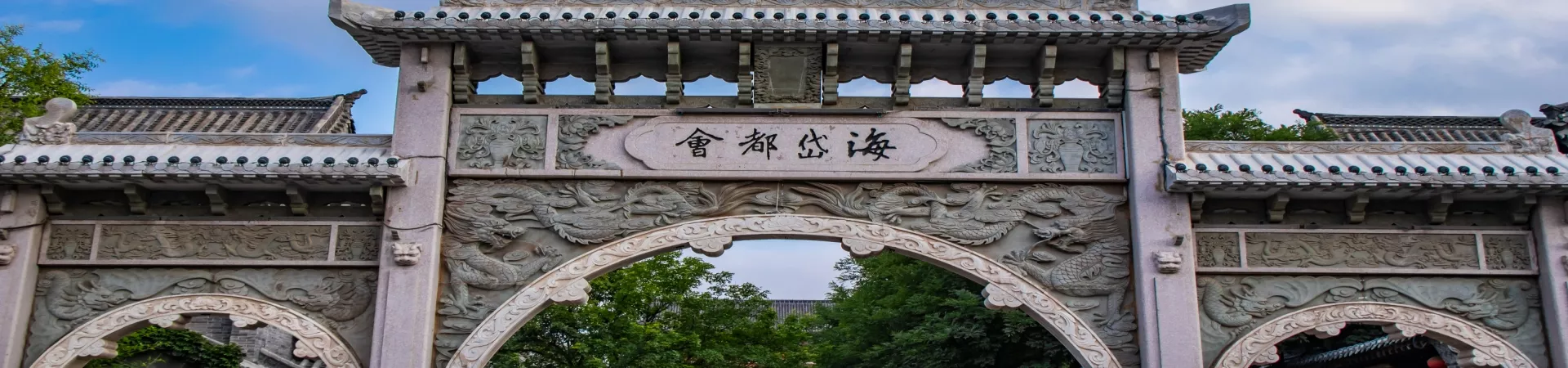
Subtitle: A Journey Through Millennia in Shandong's Ancient Capital
1. Introduction: The Living Chronicle of Qingzhou
Nestled in the heart of Weifang City, Shandong Province, lies Qingzhou Ancient City, a destination that transcends the typical definition of a tourist spot. It is not merely a collection of old buildings but a profound, living chronicle of Chinese civilization. For over two millennia, from the strategic key of the ancient Nine Provinces to a flourishing regional capital during the Northern and Southern Dynasties and the Tang and Song dynasties, Qingzhou has been a pivotal center of politics, economics, culture, and military affairs. Today, its meticulously preserved ancient urban framework invites visitors to step away from the relentless pace of modernity and embark on a tangible journey through time. Here, every brick, every carved eaves, and every quiet, moss-covered alleyway whispers tales of a glorious past, offering a serene yet captivating escape into the heart of Chinese history and culture.
2. Exploring the Architectural and Cultural Tapestry
2.1. The Ancient Urban Framework and Landmarks The core of the experience lies within the well-preserved network of streets, most notably Ouyuan Street (偶园街) and Zhaode Street (昭德街). These flagstone-paved thoroughfares, lined with traditional shops under gracefully curved roofs, form the bustling backbone of the ancient city. Strolling here is akin to walking through a vibrant historical painting.
A crown jewel within this setting is Ouyang Garden (偶园), a classical Chinese garden dating back to the Ming Dynasty. Once a private garden of a prominent official, it exemplifies the refined aesthetics of Chinese landscape design with its elegant pavilions, artificial hills, tranquil ponds, and ancient, gnarled trees. It serves as a perfect oasis of peace, illustrating the philosophical pursuit of harmony between man and nature.
2.2. A Hub of Religious Harmony and Cultural Legacy Qingzhou’s historical significance as a cultural crossroads is vividly demonstrated by its diverse religious heritage. The Qingzhou Museum, though located just outside the ancient city walls, is an essential visit, famously housing the exquisite Longxing Temple Buddhist statues. These stunning limestone sculptures from the Northern Wei and Northern Qi periods are renowned for their serene expressions and flowing drapery, representing a pinnacle of ancient Chinese Buddhist art.
Within the ancient city itself, the Zhenjiao Temple (真教寺), one of the oldest and best-preserved Islamic mosques in eastern China, stands as a testament to the long-standing presence and integration of the Hui community. Not far away, the Catholic Church adds another layer to this tapestry of faith, its Gothic-style architecture creating a fascinating architectural dialogue with the surrounding traditional Chinese structures. This peaceful coexistence of Buddhism, Islam, and Christianity within a small radius is a powerful and unique feature of Qingzhou’s cultural landscape.
2.3. Immersive Local Life and Culinary Delights Beyond the monuments, the true soul of Qingzhou resides in its daily rhythms and flavors. The ancient streets are alive with local craftsmanship; watch artisans create traditional handicrafts or calligraphy. As evening falls, the area around the ancient city walls and gates becomes a lively hub for locals to relax, socialize, and enjoy simple pleasures.
The culinary journey is integral to the visit. Qingzhou’s food scene is a delightful exploration of Shandong cuisine’s hearty and flavorful traditions. Must-try local specialties include: * Qingzhou Breakfast Bao (青州糗糕): A savory, sticky rice cake often enjoyed as a hearty breakfast. * Old Tang Dumplings (老槐树煎包): Pan-fried dumplings, famous for their crispy bottom and juicy filling, often found near ancient landmarks. * Various Street Snacks: From sweet, stuffed pancakes to savory noodles, the aroma of cooking food is a constant and inviting companion on your walk.
3. Essential Visitor Information
3.1. Admission and Opening Hours One of the most appealing aspects of Qingzhou Ancient City is its accessibility. Admission to the main ancient town area is free, allowing visitors to explore the streets, atmosphere, and external views of many historic sites at their own pace. However, please note that entry into specific ticketed attractions within the area, such as Ouyang Garden or certain exhibition halls, may require a separate fee. It is always advisable to check for the latest official pricing at the venue. Opening Hours: The ancient town streets and the overall area are open 24 hours, offering flexibility for both daytime exploration and evocative evening walks when the lanterns are lit. Individual attractions like museums, gardens, or specific historic houses have their own operating hours, typically from approximately 8:30 AM to 5:30 PM.
3.2. Planning Your Visit and Transportation Suggested Duration: To fully appreciate the scale, delve into the key sites, enjoy a local meal, and wander without rush, allocating a full day is highly recommended. Getting There: Qingzhou is well-connected. The Qingzhou Railway Station (serving high-speed trains) is about a 20-minute drive from the ancient city. Regular bus services and readily available taxis provide easy transfers. If traveling from Weifang city center, direct long-distance buses or a private car hire (roughly an hour's drive) are convenient options. Contact: For specific inquiries, you can reach out using the following local contact number: 0536-3091777.
4. Experiential Tips for the Discerning Traveler
- Footwear is Key: The charm of the ancient city is best discovered on foot across its uneven flagstone paths. Comfortable walking shoes are an absolute necessity.
- Timing Your Visit: To avoid the largest crowds, aim for weekdays. Early mornings offer a misty, peaceful ambiance, while evenings present a magical scene with traditional red lanterns illuminating the streets. The climate is most pleasant in spring (April-May) and autumn (September-October).
- Beyond the Main Streets: Dare to venture into the narrower, quieter alleys (hutongs) that branch off from the main streets. Here, you'll witness authentic local life and discover hidden architectural gems away from the busier commercial lanes.
- Cultural Respect: When visiting active religious sites like the mosque or churches, please dress modestly and observe silence to respect worshippers.
- Combine Your Trip: Consider pairing your visit to Qingzhou Ancient City with other notable attractions in the wider Qingzhou area, such as the breathtaking mountain scenery of Mount Yunmen (云门山), famous for its colossal carved character, or the fascinating Qingzhou Museum to deepen your historical context.