Jingtang Village
Subtitle: A Journey Through Time in Shandong's Preserved Ming Dynasty Village
Introduction: A Living Legacy
Nestled amidst the rolling hills 15 kilometers southwest of Qingzhou City in Shandong Province lies Jingtang Ancient Village, a remarkable portal to China's Ming Dynasty past. Unlike many historical sites that feel like static museums, Jingtang is a living, breathing testament to resilience and traditional architecture. Having weathered over 500 years of history since its founding in 1456 (the seventh year of the Jingtai era in the Ming Dynasty), the village retains an exceptionally well-preserved layout and structural style characteristic of that period. Its very name, "Jingtang," meaning "Well Pond," originates from the village's lifeline: a clear spring at the foot of the southeastern Shamao Mountain. This spring, which never runs dry, originally formed a pond. Ingenious early villagers later lined it with stones and raised its walls, transforming it into a reliable well, thus giving the settlement its enduring identity. A visit to Jingtang is not merely a sightseeing trip; it is an immersive walk through centuries of rural Chinese life, culture, and architectural ingenuity.
Getting There: Your Route to History
Reaching Jingtang Ancient Village is a straightforward journey that begins from Qingzhou City, a location itself rich in historical significance. The most common and recommended method is by private vehicle or taxi.
The Driving Route: The typical route is well-established. From downtown Qingzhou, head onto Wuli Town Street. Continue until you need to make a left turn to head south for approximately 4 kilometers. A key landmark to watch for is the "Qianbaihui Supermarket." At this point, make another left turn and continue south for about 3 kilometers. This road will lead you directly to the entrance of Jingtang Village. The journey offers a scenic transition from the city to the tranquil countryside.
Proximity to Other Attractions: For those looking to extend their historical and natural exploration, Jingtang's location is advantageous. Approximately 2 kilometers south of the ancient village lies Qingzhou Linglong Mountain, a site famous for its ancient Buddhist inscriptions and striking limestone formations. Combining a visit to Jingtang with a trip to Linglong Mountain makes for a fulfilling day excursion into the region's cultural and geological heritage.
Planning Your Visit: Essential Information
To ensure a smooth and enjoyable experience, careful attention to practical details is key. Here is the essential information you need to plan your trip effectively.
Visiting Hours and Duration: Jingtang Ancient Village is open to visitors daily from 7:00 AM to 5:00 PM, throughout the year. This schedule applies from January 1st to December 31st, Monday through Sunday. Allocating sufficient time to absorb the atmosphere is crucial. While a brisk walk through the main paths can be done in under an hour, to truly appreciate the village's essence, a visit of 1 to 3 hours is highly recommended. This allows time to meander through its narrow stone alleys, observe architectural details closely, interact with local residents, and perhaps enjoy the serene views from the hills surrounding the village.
Admission Fees: Access to this preserved historical environment requires an admission ticket. The current standard entrance fee is 40 Yuan per person. This fee contributes to the maintenance and preservation efforts crucial for protecting the village's fragile ancient structures. It is advisable to carry cash, as remote locations may have limited digital payment options, though facilities may be improving.
Experiencing the Village: A Tapestry of Stone and Tradition
Stepping into Jingtang is like entering a different era. The village's charm lies in its authentic, unpretentious preservation.
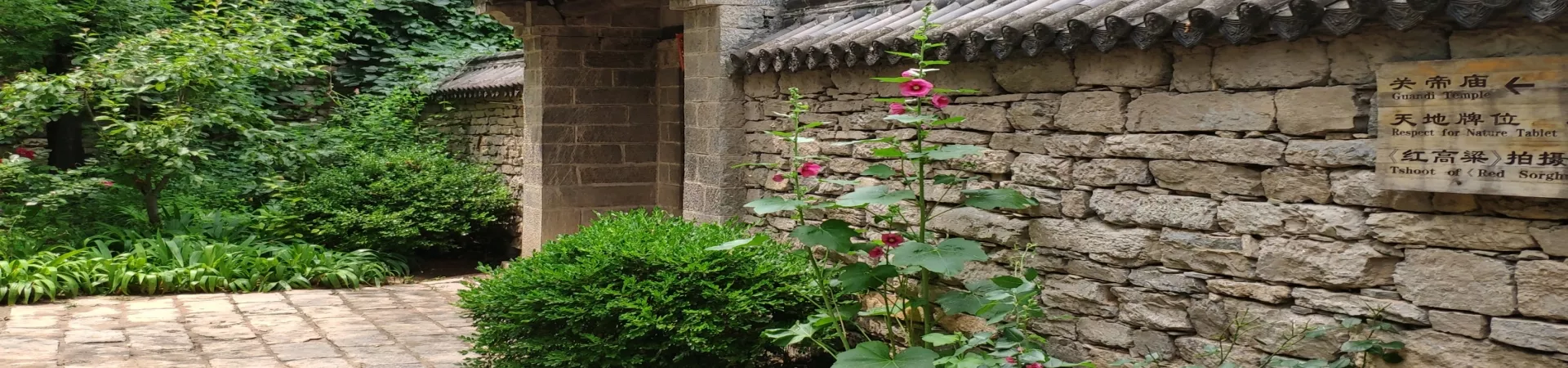
Architectural Harmony with Nature: The entire village is constructed primarily from locally quarried bluestone, seamlessly integrating with the mountainous landscape. The dwellings, courtyard walls, paved roads, and even the bridges are built with this sturdy material, creating a cohesive, grey-toned aesthetic that has stood the test of time. The architecture follows classic northern Chinese styles, with courtyard homes (siheyuan) featuring distinctive sloping roofs, wooden lattice windows, and carved stone foundations. The layout of the village is organic, following the natural contours of the land rather than a rigid grid, which adds to its picturesque and rustic appeal.
The Heart of the Village: The Ancient Well No visit is complete without seeking out the namesake well and spring. This spot remains a focal point, symbolizing the community's origin and survival. Seeing the clear water that sustained generations offers a profound connection to the village's history.
Local Life and Culture: Jintang is not an empty relic; it is still home to a community of residents. Observing their daily lives—perhaps seeing vegetables drying in a courtyard or traditional tools resting against a stone wall—adds a rich, human dimension to the historical setting. The village is also part of the cultural backdrop for the famous novel The Red Sorghum Family by Nobel laureate Mo Yan, adding a layer of literary significance for interested visitors.
Tips for a Fulfilling Visit: Wear comfortable, sturdy shoes with good grip, as the stone pathways can be uneven and slippery, especially after rain. The village involves some gentle climbing. Bringing water and sun protection is advisable, as shade can be sporadic. For photography enthusiasts, the interplay of light and shadow on the stone surfaces during early morning or late afternoon provides magnificent opportunities. Most importantly, come with a respectful and observant mindset, recognizing that you are walking through a cherished ancestral home and a invaluable piece of China's living heritage.