Chahar Folk Museum
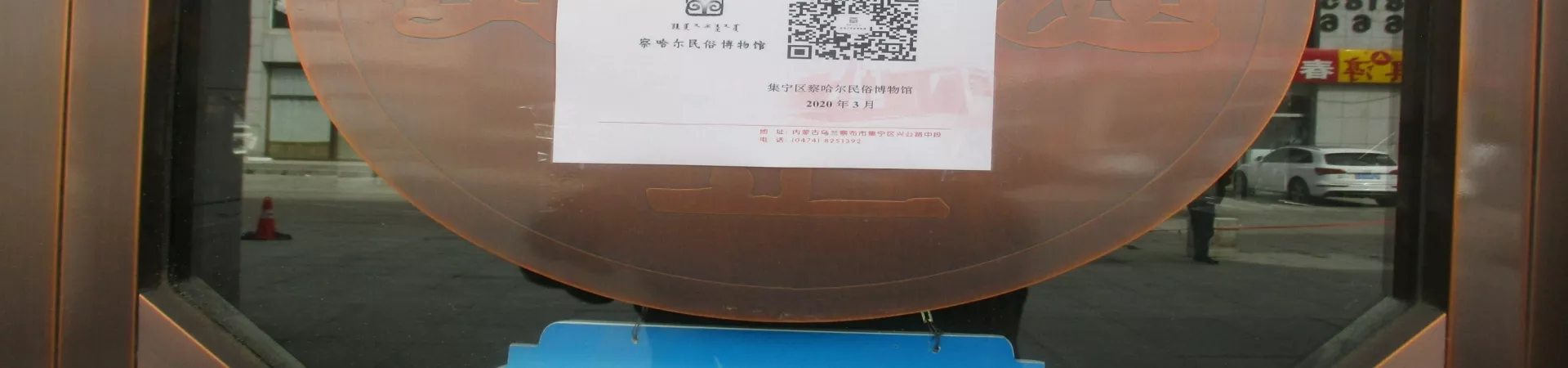
Chahar Folk Museum in Ulanqab
Overview:
The Chahar Folk Museum, sprawling across an exhibition area of 3,200 square meters, stands as a cultural treasure trove, housing a collection of over 3,000 artifacts. The museum is meticulously curated, featuring six distinct exhibition areas and a central hall that collectively explore aspects of daily life, historical evolution, agricultural culture, equestrian traditions, ancient city remnants, and cultural arts.
Exhibition Areas:
Daily Life Customs: Delve into the rich tapestry of Chahar's daily life customs, showcasing the traditions and practices that have defined the region.
Historical Evolution: Uncover the historical journey of Chahar, tracing its evolution through the ages and the pivotal events that shaped its identity.
Agricultural Culture: Explore the roots of Chahar's agricultural heritage, discovering the practices that sustained communities throughout history.
Equestrian Culture: Immerse yourself in the world of horseback traditions, celebrating the integral role that horses have played in the cultural fabric of Chahar.
Ancient City Remnants: Step back in time as you encounter the remnants of ancient cities, preserving the echoes of bygone eras within the Chahar region.
Cultural Arts: Experience the artistic expressions that have flourished in Chahar, from traditional crafts to contemporary forms of cultural art.
Central Hall:
The central hall serves as a focal point, providing a space for special exhibitions, events, and a deeper exploration of Chahar's cultural tapestry.
Admission:
Entrance to the Chahar Folk Museum is free, fostering an environment of inclusivity and accessibility for all who wish to explore the rich cultural heritage it holds.
Opening Hours:
The museum welcomes visitors from Tuesday to Sunday, with operating hours from 9:00 AM to 11:00 AM and 3:00 PM to 5:00 PM. Please note that the museum is closed on Mondays.
In summary, the Chahar Folk Museum in Ulanqab serves as a dynamic repository of cultural heritage, offering a comprehensive journey through the daily life, history, and traditions that define the Chahar region. Through its diverse exhibition areas, the museum invites visitors to connect with the roots of this vibrant culture, fostering appreciation for the rich tapestry of Chahar's heritage.