Mushroom stone
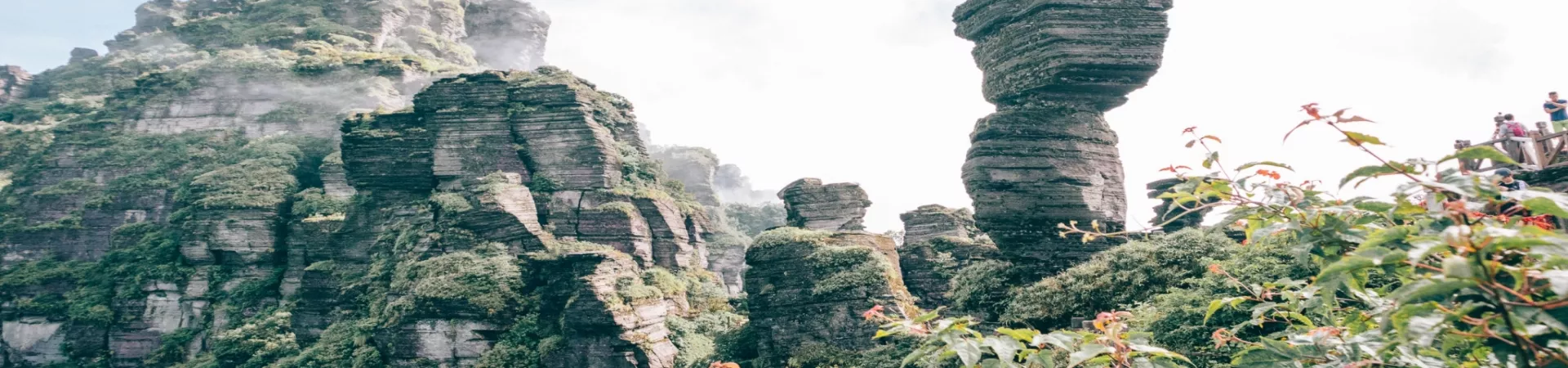
Subtitle: A Journey to the Mushroom Stone: The Ancient Sentinel of Fanjingshan
Introduction: The Icon of Fanjingshan Nestled within the otherworldly landscape of the Fanjingshan (Mount Fanjing) UNESCO Global Geopark in Tongren, Guizhou Province, stands a geological marvel that has captivated the imaginations of travelers, artists, and geologists for generations: the Mushroom Stone. This is not merely a rock formation; it is a timeless sculpture, chiseled by the patient hands of wind, rain, and tectonic shifts over an almost incomprehensible span of time. Serving as the iconic symbol of Fanjingshan, its striking and improbable silhouette against the mountain's often mist-shrouded peaks offers a profound narrative of resilience, artistry, and the earth's deep history. A visit to this site is a pilgrimage to witness one of China's most unique natural monuments, a place where the line between reality and fantasy beautifully blurs.
I. The Formation and Geological Significance A. A Masterpiece of Erosion The Mushroom Stone earns its name from its unmistakable shape: a broad, overhanging cap balanced precariously atop a significantly narrower base, resembling a giant stone mushroom. This quintessential example of a "hoodoo" or pedestal rock is approximately ten meters in height. It stands with a graceful, poised defiance that belies its incredible stability. The visual tension it creates—appearing as if the slightest touch could send it tumbling—is a direct result of differential erosion. The capstone, composed of harder, more resistant rock, protects the softer, more erodible stone of the stem beneath from the elements. This process, acting over eons, has sculpted this astonishing form.
B. A Chronicle in Stone The true majesty of the Mushroom Stone lies in its age. It is a relic from the Proterozoic Eon, a silent witness to approximately 1 billion years of Earth's history. To stand before it is to confront a timescale that dwarfs human civilization. It has endured countless cycles of frost and thaw, relentless winds, and the region's abundant rainfall. Each mark on its surface is a page in a geological diary, recording climatic shifts and the slow, inexorable dance of the mountains. Its survival is a testament to the enduring strength hidden within its seemingly delicate structure, making it a priceless archive of our planet's past.
II. Cultural and Artistic Inspiration A. The Muse for Artists Beyond its scientific interest, the Mushroom Stone reigns as a supreme muse in the realm of art. Its surreal form, often emerging from swirling clouds or bathed in the golden light of sunrise, presents a scene of pure magic realism. It is no wonder that it has become one of the most photographed and painted subjects in all of China's sacred mountains. Countless photographers wait for hours to capture its essence in the perfect light, while painters strive to translate its mystical aura onto canvas. It represents a perfect harmony of natural form and artistic ideal, inspiring masterpieces that seek to capture the uncapturable.
B. A Symbol of Resilience and Balance In Chinese culture, mountains are deeply revered as spiritual entities. The Mushroom Stone, in its persistent, balanced stance against all odds, has transcended its physical form to become a powerful symbol. It embodies the philosophical concepts of resilience (rennai), the harmony between strength and gentleness, and the delicate balance of nature. For visitors, it often evokes a sense of introspection and wonder, a reminder of the enduring power of stillness and the beauty of withstanding the tests of time.
III. Practical Visitor Information A. Location and Access The Mushroom Stone is located within the core scenic area of the Fanjingshan National Nature Reserve. Access typically involves taking the park's eco-friendly buses to the cable car station, followed by a cable car ascent. From the upper cable car terminal, a well-constructed wooden staircase and walkway lead visitors on a scenic hike to the various peaks, with the Mushroom Stone being one of the primary landmarks on the route to the Red Cloud Golden Summit (Hongyun Jinding).
B. Admission Details * Ticket: Access to the Mushroom Stone is included in the general admission ticket for the Fanjingshan Scenic Area. There is no separate entrance fee for the stone itself. * Note: It is highly recommended to purchase tickets in advance online, especially during peak seasons (summer holidays, October Golden Week, and weekends), as the park enforces daily visitor limits to protect the environment.
C. Operating Hours and Best Time to Visit The operating hours for Fanjingshan vary seasonally to accommodate daylight and weather conditions:
- March 1 - October 31: 07:00 - 18:00 (Last entry at 15:00)
- November 1 - February 28/29: 08:00 - 15:00 (Last entry at 15:00)
Important Tips: 1. Seasonal Considerations: The park's schedule may be adjusted during public holidays. Always verify the latest times on the official Fanjingshan website or through authorized ticketing platforms before your visit. 2. Optimal Visiting Periods: The most comfortable weather for hiking and clear views is generally from April to early November. Spring brings vibrant greenery and azalea blooms, while autumn offers clear, crisp air and stunning vistas. Summer is popular but can be crowded and misty; the fog, however, can shroud the Mushroom Stone in an ethereal mystery. Winters are cold, with possible ice on the walkways, but the sight of the stone dusted with snow is exceptionally rare and beautiful. 3. Preparation: Due to the high altitude (over 2,300 meters at the stone), weather can change rapidly. Visitors should dress in layers, wear sturdy hiking shoes, and be prepared for rain, wind, or strong sunlight. Carry water and snacks, as facilities are limited on the mountain paths.
Information last verified: January 2023. Details are subject to change; please confirm with official sources prior to your trip.