Miao Wang City
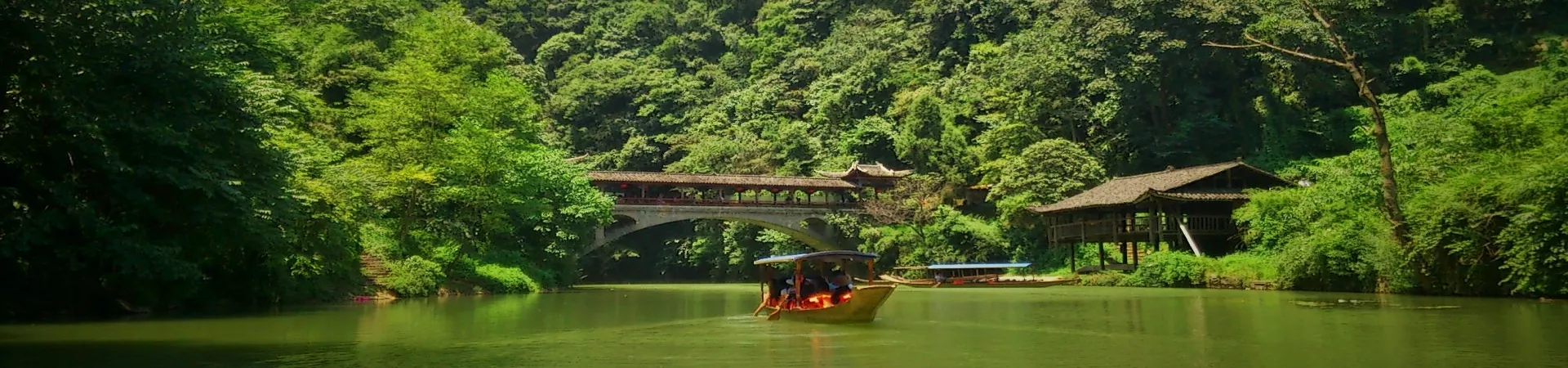
Subtitle: A Journey into the Heart of Miao Heritage: History, Song, and Spectacle
Introduction: The First Stronghold of a Millennial Culture
Nestled within the lush landscapes of Tongren, Guizhou Province, lies Miao Wang Cheng, or the "Miao King City," a living testament to the resilience and rich cultural tapestry of the Miao people. With a history stretching back over six centuries, this ancient fortress settlement is revered as the "First Village of the Thousand-Mile Miao Territory." More than just a historical site, it is a vibrant cultural epicenter, officially recognized as the "Hometown of Miao Folk Songs," the "Hometown of Miao Ancient Tales," and the "Hometown of Extraordinary Folk Skills." A visit here is not merely a tour but an immersive plunge into the soul of Miao civilization, where every stone, melody, and artifact whispers stories of a proud and ancient people.
1. Historical Significance: The Fortress of the Miao Kings
1.1. Strategic Origins and Architectural Marvel The primary significance of Miao Wang Cheng lies in its historical role as a political and military stronghold. Constructed over 600 years ago during the Ming Dynasty, it served as the central seat of power for successive Miao chieftains, or "Kings," who governed the surrounding regions. The city's layout is a masterpiece of defensive architecture adapted to the mountainous terrain. Built primarily with local stone and wood, the settlement features:
- Intricate Alleyways: A labyrinth of narrow, stone-paved streets designed to confuse and slow down invaders.
- Fortified Gates and Watchtowers: Strategic entry points and observation posts that offered commanding views of the approaches.
- Interconnected Courtyards: Residential compounds that could be sealed off independently, creating layers of defense.
This formidable design allowed the community to withstand numerous conflicts, preserving their autonomy and culture for generations. Walking through these ancient passages, one can almost hear the echoes of history, from the councils of chieftains to the preparations for defending the homeland.
2. Cultural Immersion: The Soul of the Miao People
2.1. The Hometown of Miao Folk Songs Music is the lifeblood of Miao culture, and Miao Wang Cheng is its beating heart. As the acclaimed "Hometown of Miao Folk Songs," the air here is often filled with hauntingly beautiful melodies. These songs are not mere entertainment; they are a living archive.
- Lyrical Content: The songs narrate epic histories, celebrate love and harvests, convey profound philosophies, and pass down moral teachings from one generation to the next.
- Performance Settings: Visitors may encounter impromptu performances by local elders or scheduled cultural shows where groups, adorned in full traditional dress, sing in complex polyphonic harmonies. The most famous is the Fei Ge (Flying Song), known for its high-pitched, resonant tones that seem to soar over the mountains.
2.2. The Hometown of Miao Ancient Tales and Legends Equally important is the oral tradition. As the "Hometown of Miao Ancient Tales," the community safeguards a vast repository of myths, legends, and historical narratives. These stories, told by village elders, explain the creation of the world, the origins of the Miao people, their great migrations, and the deeds of heroic ancestors. They provide crucial context for understanding the rituals, festivals, and social customs observed today, offering visitors a deep, narrative-based understanding of Miao worldview.
3. Experiential Highlights: Arts and Spectacles
3.1. The Hometown of Extraordinary Folk Skills Miao Wang Cheng truly comes alive through its breathtaking folk arts, earning its title as a hub for "Extraordinary Folk Skills." These are not staged tricks but traditional arts honed over centuries.
- Traditional Performances: Cultural shows regularly feature stunning displays such as walking on blades (Dao Shan), climbing ladder of knives (Pa Dao Ti), and other acts of remarkable physical skill and spiritual faith.
- Indigenous Craftsmanship: Beyond performances, the village showcases exquisite craftsmanship. This includes:
- Intricate Silverwork: Miao silver jewelry, particularly for women's festival attire, is world-renowned for its complexity and symbolism.
- Batik (La Ran) and Embroidery: Using ancient techniques, artisans create stunning textiles with indigo dye and elaborate, colorful embroidery, each pattern holding specific cultural meanings related to identity, history, and blessings.
4. Practical Visitor Information
4.1. Admission and Operating Hours To plan your visit effectively, please note the following practical details:
- Ticket Price: A standard admission ticket is priced at 80 RMB per person. This fee typically grants access to the ancient village grounds and its general historical sites.
- Operating Schedule: The site is open daily.
- General Hours: From 08:30 to 17:00, with last admission at 16:30.
- Extended Hours: During certain periods (often peak seasons or summer), hours may extend from 08:00 to 17:30. It is always advisable to confirm the exact timing on your intended day of visit.
4.2. Suggested Duration and Contact * Time Recommendation: To fully appreciate the historical architecture, witness cultural performances, explore the alleys, and perhaps engage with local artisans, a visit of 1 to 3 hours is recommended. This allows for a comprehensive experience without being rushed. * Contact Information: For specific inquiries regarding group visits, current show schedules, or special events, you may contact the site at 0856-3920662.
A trip to Miao Wang Cheng is ultimately a dialogue with time. It is where the formidable stone walls of a 600-year-old fortress meet the vibrant, living culture of song, story, and craftsmanship that they were built to protect. It offers a profound, multi-sensory understanding of the Miao people's enduring legacy, making it an indispensable destination for any traveler seeking authentic cultural depth in China.